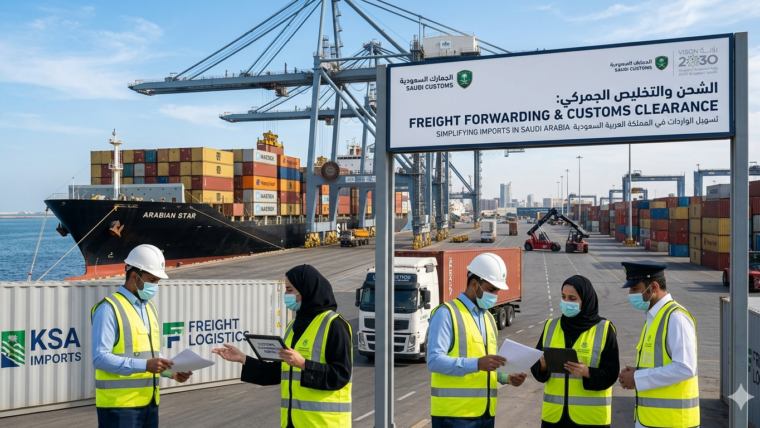


When importing or exporting goods, submitting a customs clearance request is an important step in getting your shipment legally processed through customs. A properly prepared request provides customs authorities and clearance agents with the information they need to verify the shipment, calculate applicable duties and taxes, and release the goods. For businesses shipping to Saudi Arabia, understanding the customs clearance process can help reduce delays, documentation errors, and unexpected costs.
Whether you are importing commercial products, machinery, raw materials, or consumer goods, knowing how to prepare and submit a customs request can make international trade much smoother.
What Is a Customs Clearance Request?
A customs clearance request is a formal request submitted to customs authorities or through an authorized customs broker to process an imported or exported shipment. It contains essential shipment information, including details about the importer, exporter, goods, shipment value, country of origin, and transportation.
In Saudi Arabia, customs clearance is closely connected with electronic customs procedures and documentation requirements. Depending on the type of goods, importers may also need product conformity documents, permits, certificates, or other regulatory approvals before the shipment can be released.
A complete request helps customs authorities determine whether the shipment complies with applicable regulations and whether customs duties, VAT, or other charges are payable.
When Do You Need a Customs Clearance Request?
A customs clearance request is generally required when goods cross an international border and need to be declared to customs. The process can apply to:
- Commercial imports
- Export shipments
- Machinery and equipment
- Raw materials
- Consumer products
- E-commerce shipments
- Spare parts
- Industrial goods
- Temporary imports
- Re-export shipments
The exact requirements depend on the shipment type, product category, value, origin, and applicable Saudi regulations.
Documents Required for Customs Clearance
One of the most important parts of preparing a customs clearance request is gathering the correct documentation. Missing or inaccurate documents can result in customs delays.
Common documents may include:
1. Commercial Invoice
The commercial invoice provides information about the seller, buyer, product description, quantity, price, currency, and total shipment value. Customs authorities use this information to assess the shipment and determine applicable charges.
2. Packing List
A packing list explains how the goods are packed. It may include the number of packages, weight, dimensions, product quantities, and package descriptions.
3. Bill of Lading or Air Waybill
The bill of lading is commonly used for sea freight, while an air waybill is used for air shipments. These documents provide transportation and shipment information.
4. Certificate of Origin
A certificate of origin identifies the country where the goods were manufactured or produced. It can be important for customs valuation, trade requirements, and applicable tariffs.
5. Product-Specific Certificates
Certain products may require additional certificates, approvals, or conformity documentation. For regulated products entering Saudi Arabia, importers may need to complete requirements through the SABER system.
6. Importer Information
Accurate importer details, including commercial registration and other relevant business information, may be needed to process the shipment.
Step-by-Step: How to Make a Customs Clearance Request
Step 1: Collect Shipment Documents
Start by collecting all documents related to the shipment. Check that the invoice, packing list, transportation document, and certificates contain consistent information.
Pay particular attention to the product description, quantity, value, weight, and consignee details. Even small differences between documents can create questions during customs processing.
Step 2: Identify the Correct HS Code
The Harmonized System (HS) code is used to classify imported and exported products. Correct classification is essential because the HS code can affect customs duties, taxes, regulatory requirements, and whether additional permits are necessary.
If you are uncertain about the correct classification, a professional customs clearance agent can help review the product and determine the appropriate tariff classification.
Step 3: Check Product Compliance Requirements
Before submitting your request, determine whether the goods are subject to any special Saudi regulations.
Some products may require conformity assessment, product registration, technical documentation, testing, or other approvals. For applicable regulated products, checking SABER requirements before shipment arrival can help prevent unnecessary delays.
Step 4: Prepare the Customs Declaration
The shipment information is entered into the applicable customs system or provided to an authorized customs broker. The declaration generally includes:
- Importer and exporter details
- Product description
- HS code
- Quantity
- Country of origin
- Shipment value
- Weight
- Transportation details
- Supporting documents
Accuracy is essential because customs authorities use the declaration to assess the shipment.
Step 5: Calculate Duties and Taxes
Once the shipment is declared, applicable customs duties, VAT, and other charges may be assessed based on the nature and value of the goods.
The amount payable varies depending on the product classification, customs valuation, origin, and applicable regulations. Importers should review the assessment carefully before making payment.
Step 6: Submit the Customs Clearance Request
After the required information and documents have been prepared, the customs clearance request can be submitted through the relevant electronic process or through an authorized customs clearance provider.
A customs broker can handle much of this process on behalf of the importer, including document submission, customs communication, and coordination with other parties.
Step 7: Respond to Customs Queries
Customs authorities may request additional information, documents, or clarification regarding the shipment.
If a query is raised, respond as quickly as possible and provide accurate supporting documentation. Delayed responses can extend the overall clearance time.
Step 8: Pay Applicable Charges
After customs assessment, the importer may need to settle the applicable duties, VAT, and other charges before the shipment can be released.
Keeping proof of payment and customs documentation is recommended for business records and future reference.
Step 9: Complete Shipment Release
Once all customs requirements have been satisfied, documents approved, and applicable payments completed, the shipment can proceed toward release.
Depending on the shipment and port or border location, additional coordination with the terminal, shipping line, freight forwarder, or transport provider may be required.
Common Reasons for Customs Clearance Delays
Even a straightforward customs clearance request can be delayed when shipment information is incomplete or inconsistent. Common causes include:
- Incorrect HS code
- Missing commercial invoice
- Incomplete packing list
- Incorrect product description
- Discrepancies in shipment value
- Missing certificates or permits
- Product compliance issues
- Incorrect importer information
- Unpaid duties or taxes
- Customs inspection
- Incomplete regulatory documentation
Preparing your documents before the shipment arrives can significantly improve the efficiency of the clearance process.
How a Customs Clearance Agent Can Help
International customs procedures can be complicated, especially for businesses unfamiliar with Saudi import regulations. A professional customs clearance provider can help manage the process from documentation preparation to shipment release.
A customs clearance agent may assist with:
- Customs declaration preparation
- HS code classification
- Document verification
- Import compliance
- Duty and tax assessment support
- SABER-related requirements
- Communication with customs authorities
- Shipment tracking
- Customs inspection coordination
- Cargo release procedures
Using professional customs clearance services can save time and reduce the risk of avoidable documentation errors.
Tips for a Smooth Customs Clearance Request
To make your shipment clearance more efficient, consider the following tips:
Prepare documents early: Do not wait until the shipment arrives to start collecting paperwork.
Use accurate product descriptions: Avoid vague descriptions that may require additional clarification.
Verify HS codes: Incorrect classification can affect duties and regulatory requirements.
Check compliance requirements: Determine whether your products need SABER registration, certificates, permits, or other approvals.
Keep information consistent: Product descriptions, quantities, values, and importer details should match across documents.
Work with an experienced clearance provider: Professional support can be especially useful for complex or regulated shipments.
Conclusion
Making a customs clearance request requires careful preparation, accurate shipment information, and the right supporting documents. From identifying the correct HS code and preparing the commercial invoice to completing customs declarations and paying applicable duties, every stage contributes to successful shipment release.
For shipments entering Saudi Arabia, importers should also consider applicable product compliance and regulatory requirements before the goods arrive. Preparing everything in advance can help minimize delays and make the overall customs clearance process more predictable.
By working with an experienced customs clearance provider, businesses can receive professional assistance with documentation, customs declarations, compliance requirements, and shipment release. This allows importers and exporters to focus on their core operations while their shipments move through the customs process more efficiently.