

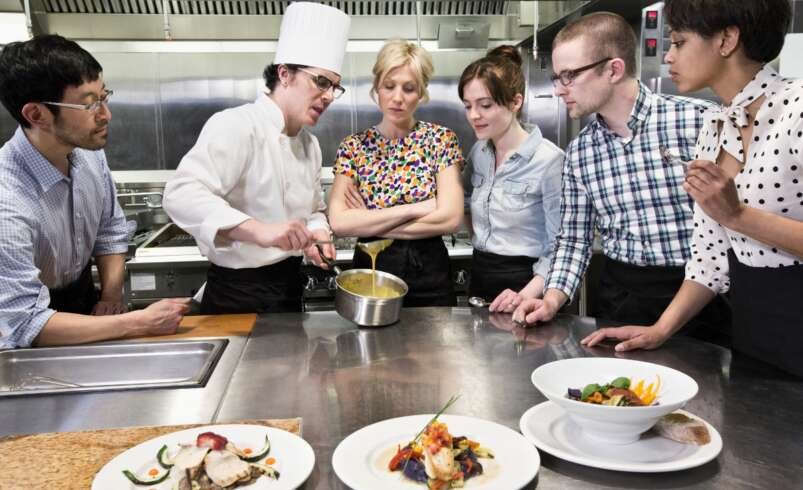

A career in the hospitality industry requires more than a passion for food. Professional kitchens need cooks who can prepare a wide range of dishes, follow food safety procedures, manage kitchen equipment, work efficiently under pressure, and communicate effectively with other team members. A structured qualification can help students develop these practical and workplace-ready abilities while building a strong foundation for a long-term career in the Australian hospitality industry. The Certificate III in Commercial Cookery is designed to develop the technical and operational skills required to work effectively as a cook in a commercial kitchen environment.
For students considering Certificate III Commercial Cookery Geelong, understanding what the course includes can make it easier to decide whether it matches their career goals. The training covers essential areas such as food preparation, cooking methods, food safety, kitchen hygiene, recipe planning, stock management, desserts, special dietary requirements, workplace communication, and safe work practices. Students can develop these skills through a combination of structured learning and practical training designed to reflect the requirements of professional kitchen environments.
What Is Certificate III in Commercial Cookery?
Certificate III in Commercial Cookery is a vocational qualification designed for people who want to develop professional cooking skills and work in commercial kitchen environments. The qualification focuses on both practical cookery techniques and the broader knowledge needed to operate effectively as part of a kitchen team.
The current qualification requires students to complete 25 units, consisting of 20 core units and 5 elective units. The core units cover important areas including food preparation equipment, cooking methods, food safety, recipe costing, stock management, desserts, workplace health and safety, and working effectively as a cook. Elective units can provide additional skills depending on the training programme and selected study pathway.
For students searching for Certificate 3 Cookery Geelong, the qualification can provide a structured pathway into professional cookery by combining theoretical understanding with practical skill development. Rather than focusing only on preparing individual recipes, the training helps students understand how food preparation fits into the workflow, safety requirements, and operational demands of a commercial kitchen.
Food Preparation and Basic Cooking Techniques
One of the most important parts of commercial cookery training is learning how to prepare ingredients correctly and apply appropriate cooking methods. Students develop practical skills that can be used across different types of dishes and professional kitchen environments.
Training can include the correct use of food preparation equipment and the preparation of dishes using basic cookery methods. Students also learn how to prepare appetisers, salads, vegetables, fruits, eggs, farinaceous foods, poultry, meat, seafood, and other menu items.
Developing these skills requires attention to preparation techniques, cooking times, portion sizes, presentation, and consistency. In a commercial kitchen, cooks need to produce food efficiently while maintaining an appropriate standard of quality. These skills therefore form an important foundation for students progressing into professional kitchen roles.
Preparing Stocks, Sauces and Soups
Stocks, sauces, and soups are fundamental components of many commercial kitchen menus. Training in these areas helps students understand how ingredients can be combined to create different flavours, textures, and menu components.
Students learn how to prepare stocks and sauces while following recipes, appropriate preparation methods, and food safety requirements. They also gain experience preparing soups that can form part of different menus.
This area of training can help students understand the importance of accurate preparation and consistency. A professional cook needs to follow established recipes and procedures while also developing the practical judgement required to work efficiently in a busy kitchen.
Meat, Poultry and Seafood Preparation
A commercial cook may work with many different types of ingredients, so training needs to cover a broad range of food preparation skills. Certificate III training includes the preparation of meat, poultry, and seafood dishes.
Students develop an understanding of appropriate preparation techniques, cooking methods, food handling, and presentation. They also learn how to work safely with food preparation equipment and follow procedures designed to maintain food quality and safety.
These skills can be particularly useful for students who want to build a versatile cookery skill set. Being comfortable working with different ingredients can help cooks adapt to different menus, kitchen styles, and workplace responsibilities.
Vegetarian, Vegan and Special Dietary Requirements
Modern commercial kitchens often need to accommodate different dietary needs. For this reason, the qualification includes training in preparing vegetarian and vegan dishes as well as food that meets special dietary requirements.
Students learn how to consider dietary requirements when selecting ingredients and preparing dishes. They also develop an understanding of the importance of appropriate food handling and preparation procedures.
Learning about dietary requirements helps students become more adaptable in professional kitchens. It also reinforces the importance of following recipes, workplace procedures, and food safety practices when preparing meals for customers with specific dietary needs.
Baking, Pastry and Dessert Skills
Commercial cookery training is not limited to savoury dishes. Students also develop skills related to cakes, pastries, breads, and desserts.
Learning these areas introduces students to different preparation techniques, ingredient combinations, cooking processes, and presentation requirements. Dessert production also requires attention to consistency, timing, portioning, and presentation.
These skills can broaden a student’s capabilities and allow them to contribute to a wider variety of menu items. Depending on their career interests and workplace experience, students may later choose to develop more specialised skills in pastry, baking, or dessert production.
Food Safety and Hygiene Training
Food safety is one of the most important responsibilities in any commercial kitchen. A cook must understand how food should be handled, stored, prepared, and served to maintain appropriate safety standards.
Certificate III training includes units covering hygienic practices for food safety and safe food handling practices. Students also learn about cleaning kitchen premises and equipment and participating in safe work practices.
This training helps students understand why hygiene procedures are essential throughout the food preparation process. Maintaining clean work areas, handling ingredients appropriately, following storage procedures, and preventing contamination are all important responsibilities within a professional kitchen.
Food safety knowledge is therefore not an additional skill that students simply learn alongside cooking. It is an essential part of becoming a responsible and capable commercial cook.
Using Commercial Kitchen Equipment
Professional kitchens use a range of equipment to prepare, cook, store, and present food. Students undertaking a Cert III in Commercial Cookery learn how to use food preparation equipment as part of their training.
Understanding how to use equipment correctly can improve efficiency while reducing workplace risks. Students develop practical familiarity with equipment and learn to follow appropriate operating and safety procedures.
Equipment skills can also help students become more confident when entering a workplace. Commercial kitchens can be fast-paced environments, and cooks need to understand how different tools and equipment contribute to daily kitchen operations.
Recipe Planning and Costing
Cooking professionally also involves understanding the business side of food preparation. The qualification includes training in planning and costing recipes, which helps students understand how ingredients contribute to the overall cost of a menu item.
Recipe costing involves considering ingredients, quantities, portions, and other relevant factors when determining the cost of producing food. Students can use this knowledge to understand why accurate measurements and consistent preparation are important in a commercial environment.
This skill becomes increasingly valuable as cooks take on greater responsibility. Understanding how food is planned and costed can also provide useful preparation for future study in kitchen management or hospitality management.
Stock Management and Storage
Effective stock management is another important part of commercial kitchen operations. A kitchen needs to have appropriate ingredients available while ensuring food is stored correctly and used efficiently.
Certificate III training includes receiving, storing, and maintaining stock. Students learn about the processes involved in handling ingredients and maintaining an organised kitchen inventory.
Good stock management can help minimise waste and support consistent kitchen operations. Students therefore learn that being a professional cook involves more than preparing food; it also involves understanding how ingredients move through the kitchen from delivery and storage to preparation and service.
Workplace Health and Safety
Commercial kitchens can involve heat, sharp equipment, heavy items, wet surfaces, electrical equipment, and busy work areas. Understanding workplace health and safety is therefore essential for anyone planning to work in professional cookery.
Training includes safe work practices that help students recognise workplace risks and follow appropriate procedures. Developing safe working habits from the beginning can help students contribute positively to a professional kitchen environment.
Safety also involves communication. Kitchen staff need to communicate clearly when moving around busy work areas, handling equipment, preparing food, or responding to changing service requirements.
Communication and Teamwork
A successful commercial kitchen depends on teamwork. Cooks rarely work completely independently. They need to communicate with other kitchen staff, follow instructions, coordinate preparation tasks, and contribute to an organised workflow.
Certificate III training includes working effectively as a cook and coaching others in job skills. These areas help students understand the importance of communication, cooperation, and workplace responsibilities.
Strong teamwork can help a kitchen operate more efficiently during busy service periods. Students therefore develop not only technical cooking skills but also the professional behaviours required to work effectively with others.
Practical Training and Workplace Experience
Practical training is an important part of developing confidence in commercial cookery. Reading about cooking techniques is useful, but students also need opportunities to apply what they have learned in practical environments.
For example, the Certificate III In Commercial Cookery Geelong course at Ashford College combines classroom learning, structured self-study, practical face-to-face training, and required work placement. The course information specifies a 52-week duration, classroom study, structured self-study, practical training, and 48 service periods as part of the work placement requirement.
Practical experience allows students to apply food preparation, cooking, hygiene, safety, teamwork, and kitchen operation skills in a workplace-oriented setting. This can help bridge the gap between learning a skill and using that skill effectively in a professional kitchen.
What Skills Can Students Develop?
A Certificate 3 Commercial Cookery Geelong pathway can help students develop a broad range of practical and professional skills. These include ingredient preparation, cooking techniques, food presentation, kitchen hygiene, food safety, equipment operation, stock management, recipe costing, teamwork, communication, workplace safety, and time management.
Students also develop adaptability by working with different types of food and learning how to prepare dishes for different dietary requirements. The qualification’s broad range of units is designed to provide a well-rounded foundation for the role of a cook.
These skills can be valuable because professional kitchens often require cooks to manage several responsibilities at the same time. A cook may need to prepare ingredients, monitor cooking, maintain a clean workstation, communicate with colleagues, follow food safety procedures, and complete tasks within service timeframes.
Career Opportunities After Commercial Cookery Training
Completing a commercial cookery qualification can support a range of entry-level and developing roles within the Australian hospitality industry. Depending on experience, workplace requirements, and career progression, graduates may pursue roles such as cook, commis chef, kitchen hand, catering assistant, or pastry cook.
The qualification can also provide a foundation for further study. Students who want to progress beyond core cookery skills may consider additional training in areas such as kitchen management or hospitality management.
For students planning a long-term hospitality career, gaining experience after completing Certificate III Commercial Cookery Geelong can be an important part of professional development. As skills and experience grow, cooks may take on additional responsibilities within the kitchen and progress towards more senior positions.
Is Certificate III Commercial Cookery Suitable for You?
Certificate III in Commercial Cookery may be suitable for people who enjoy practical learning, food preparation, teamwork, and working in a busy environment. It can be relevant to school leavers, career changers, hospitality workers, and people looking to develop formal cookery skills.
Students considering Certificate III Commercial Cookery Geelong should also think about their preferred learning environment, career goals, practical interests, and commitment to workplace training. Commercial kitchens can be demanding, so reliability, organisation, communication, and willingness to learn are important qualities alongside cooking ability.
For students who already have relevant skills or experience, credit transfer or recognition of prior learning may also be available depending on the training provider and individual circumstances. Ashford College provides information about credit transfer and recognition of prior learning for eligible students.
Certificate III Commercial Cookery and Further Study
Certificate III can be an important starting point for students who want to continue developing their hospitality skills. After gaining foundational cookery knowledge and workplace experience, some students may choose to progress into higher-level training.
Further study can help learners develop additional skills in areas such as kitchen supervision, management, hospitality operations, or specialised cookery. For students considering a Diploma in Commercial Cookery Geelong, it is important to understand that course names, qualifications, entry requirements, and available pathways can vary. Students should review the current qualification and pathway information before choosing their next course.
The key benefit of progressing through vocational education is that students can build their knowledge and skills step by step. Starting with practical cookery skills can provide a foundation for developing broader responsibilities within the hospitality industry.
Why Practical Skills Matter in Australian Hospitality
The hospitality industry requires professionals who can combine technical knowledge with practical workplace skills. A cook needs to understand food preparation, but they must also work safely, communicate effectively, manage time, maintain hygiene, and contribute to the smooth operation of a kitchen.
This is why a structured qualification such as Certificate 3 Cookery Geelong can be valuable for people entering the industry. The training covers a broad range of skills rather than focusing on one particular cooking technique.
By combining classroom knowledge, practical training, and workplace experience, students can develop a more complete understanding of what is expected in a professional kitchen. This approach can help learners become more confident and prepared as they begin building their hospitality careers.
Conclusion
Certificate III in Commercial Cookery provides training across the essential skills required to work effectively in a professional kitchen. From food preparation, cooking techniques, desserts, and special dietary requirements to food safety, equipment use, recipe costing, stock management, teamwork, and workplace safety, the qualification covers many of the practical responsibilities associated with commercial cookery in Australia.
For students exploring a Certificate III in Commercial Cookery Geelong, choosing a course that combines structured learning with practical experience can help create a strong foundation for future employment and further study. Whether the goal is to begin working as a cook, develop existing hospitality skills, or progress towards higher-level training, building strong practical skills is an important first step.
To learn more about commercial cookery training, course information, and study opportunities at Ashford College, visit our website and explore the available vocational education pathways.