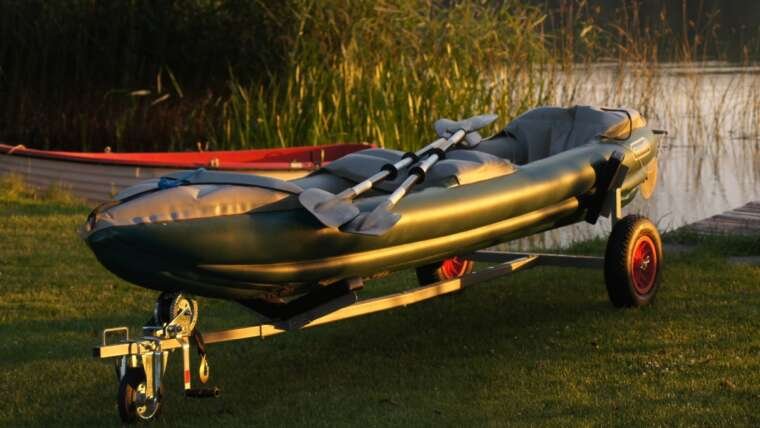

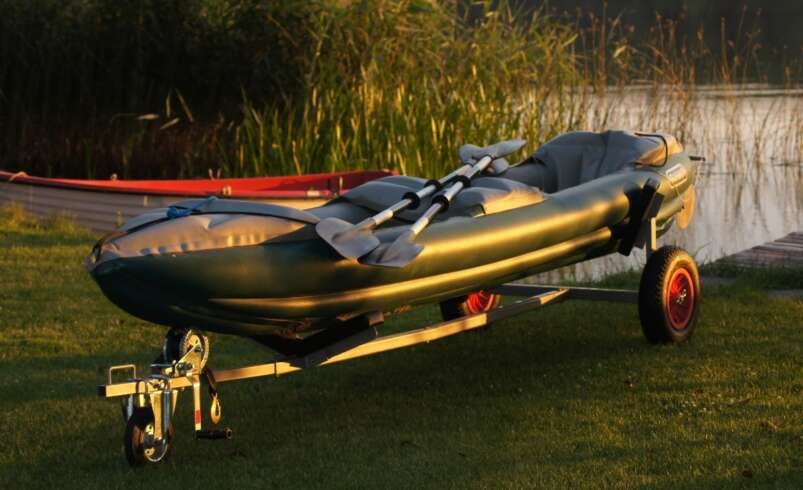

Buying a boat is a major investment, but the trailer carrying your boat is just as important. Whether you are purchasing a fishing boat, tinny, runabout or larger recreational vessel, choosing the right trailer affects towing stability, launching, braking, maintenance and long-term ownership costs. When searching for boat trailers for sale, Australian buyers generally have two choices: purchase a new trailer or save money by choosing a used one.
A used trailer can appear attractive because the initial purchase price may be lower, but its condition, age and maintenance history need careful consideration. A new trailer usually costs more upfront but can provide modern construction, known specifications, warranty coverage and fewer immediate repair concerns. Australian boat-buying guidance recommends paying particular attention to a second-hand trailer’s tyres, bearings, brakes, electrics, corrosion and signs of neglect before purchasing.
New vs Used Boat Trailers: What Is the Difference?
The main difference between buying new and used is not simply the purchase price. You are also comparing condition, reliability, specifications, maintenance history and potential repair costs.
A used Boat Trailer for Sale may already have accessories, modifications or equipment that would cost extra on a new trailer. However, you need to determine whether those additions are suitable for your boat and whether the trailer’s components remain in good condition.
A new trailer allows you to select specifications according to your boat’s dimensions, weight and intended use. You can also establish the trailer’s tare mass, ATM, GTM, axle capacity and braking configuration before taking ownership. Australian trailer requirements include identification and compliance information, while applicable registration requirements vary between states and territories.
For either option, the trailer should be treated as an important part of the complete boat package rather than an accessory that can be selected purely on price.
What to Check When Buying a Used Boat Trailer
If you are considering a second-hand trailer, inspection should happen before you agree to purchase. Do not rely only on photographs or a seller’s description. Look underneath the trailer, inspect the running gear and check the identification and specifications.
A thorough inspection can reveal corrosion, damaged suspension, worn bearings, ageing tyres, brake problems and chassis repairs that may not be obvious at first glance.
If the trailer is being purchased with a boat, inspect the trailer separately. A well-maintained boat does not necessarily mean the trailer has received the same level of care.
Check the Trailer Chassis and Frame
The chassis is one of the most important parts of any trailer because it supports the boat and carries the load while travelling.
Inspect the main chassis rails, cross-members, drawbar, welds and mounting points. Look for cracks, bends, distorted sections, poor repairs or signs that the trailer has been involved in an accident.
Pay particular attention to areas where water, dirt and salt can accumulate. Fresh paint may make an older trailer look better than it actually is, so inspect underneath and around joints rather than judging the trailer only by its exterior appearance.
The drawbar and coupling should also be checked carefully because they transfer towing forces between the vehicle and trailer.
Inspect for Corrosion
Corrosion is a major consideration for Australian boat trailers, particularly trailers regularly exposed to saltwater.
A trailer used around coastal areas or frequently launched into saltwater may experience corrosion around the chassis, fasteners, suspension components, hubs, brake components and electrical connections. Aluminium construction can reduce conventional rust concerns, but aluminium is not completely immune to corrosion. Salt exposure can contribute to pitting and galvanic corrosion where dissimilar metals come into contact.
On a used trailer, look for flaking, deep pitting, swelling, cracks or perforation. Pay close attention to weld areas and enclosed sections where corrosion may be difficult to see.
If corrosion has affected structural areas, do not assume it is simply a cosmetic issue. Structural deterioration can affect the trailer’s suitability for carrying your boat.
Check Wheel Bearings and Hubs
Wheel bearings deserve close attention because they operate under heat, load and water exposure.
Ask the seller when the bearings were last serviced and whether the trailer has regularly been used in saltwater. If possible and safe, inspect the hubs for signs of leaking grease, overheating or damaged seals.
During an inspection, unusual noise, rough rotation or excessive wheel movement can indicate a bearing or hub problem. Bearing condition is particularly important on a boat trailer because launching and retrieving the boat can expose hubs and related components to water.
Australian boating guidance specifically recommends checking bearings as part of a second-hand trailer inspection.
Inspect the Trailer Brakes
Brakes are another area where a cheap used trailer can become expensive if maintenance has been neglected.
Check brake discs, callipers, drums, lines, cables and other components appropriate to the trailer’s braking system. Look for corrosion, leaks, damaged lines and signs that the brakes have not been maintained.
The braking requirements depend on the trailer’s GTM and applicable rules. For example, NSW guidance specifies different minimum braking requirements for trailers in different GTM ranges, with additional requirements for heavier trailers.
Because requirements can vary according to trailer specifications and jurisdiction, confirm the applicable rules before buying or modifying a used trailer.
Examine the Suspension and Axles
Suspension helps the trailer absorb road impacts while keeping the boat stable.
Inspect leaf springs or other suspension components for cracking, deformation, excessive rust or uneven wear. Check the axles and their mounting points for damage or corrosion.
A trailer that sits unevenly may indicate suspension problems, uneven loading or other underlying issues. Also inspect whether the suspension configuration is appropriate for the trailer’s rated capacity and the actual weight of your boat.
Do not assume that replacing one suspension component automatically resolves a broader problem. The axle, suspension, wheels and trailer frame need to work together according to the trailer’s specifications.
Inspect the tyres carefully
Trailer tyres can deteriorate even when a trailer has travelled relatively few kilometres. Look for uneven tread wear, cracks, bulges, sidewall damage and other signs of ageing.
Check that the tyres have an appropriate load rating for the trailer and inspect the spare wheel as well. Tyre condition is especially important for long-distance towing because failures at highway speeds can create significant safety risks.
Also check tyre pressure and consider the age of the tyres rather than judging them only by tread depth. A trailer that has spent long periods sitting unused may still require tyre replacement.
Verify Trailer Capacity
One of the most important checks when buying either a new or used trailer is whether its capacity is suitable for your boat.
Consider the complete loaded weight rather than the dry weight of the boat alone. The total combination can include the boat, outboard motor, fuel, batteries, fishing equipment, safety equipment and other gear.
Check the trailer’s tare mass, ATM and GTM against the actual load. The ATM represents the maximum permitted mass of the trailer when loaded, while GTM relates to the mass transmitted through the trailer’s wheels. Australian registration and compliance information uses these ratings, and the trailer identification plate can provide important specifications.
Choosing a trailer based only on the boat’s length can therefore be a mistake. Weight, hull design, loading arrangement, axle capacity and braking requirements also matter.
Check Registration, VIN and Identification
Before purchasing a used trailer, verify its registration status and identification details.
Compare the trailer’s VIN or chassis identification with the available paperwork and check that the details correspond. Registration requirements vary between Australian states and territories, so buyers should confirm the requirements applicable to where the trailer will be registered.
For example, NSW requires registered trailers to have appropriate identification, while newer trailers subject to the current national framework have specific VIN, vehicle plate and approval requirements.
If you are buying an interstate trailer, pay particular attention to the steps required to transfer or establish registration in your state.
Don’t Forget the Electrical System
Inspect the trailer lights, wiring, plugs and connections before purchasing.
Test brake lights, indicators, tail lights and the number plate light. Look for damaged wiring, exposed conductors, loose connections and corrosion around plugs.
Boat trailers regularly encounter water, so electrical connections can deteriorate if they have not been properly protected and maintained. A small electrical fault may be inexpensive to repair, but extensive wiring replacement should be considered when calculating the true cost of a used trailer.
Consider the Trailer’s Boat Fit
A trailer can be mechanically sound but still unsuitable for your particular boat.
Check that the bunks, rollers, keel support, winch position and boat contact points suit the hull. The boat should sit securely and remain properly supported during transport.
The trailer also needs to accommodate the boat’s overall length, width and weight. An incorrectly matched trailer can create uneven support and unnecessary stress on the boat.
When comparing Aluminium Boat Trailers for Sale, look beyond the material itself and consider the complete trailer design, load rating, support system, suspension and braking configuration.
New Boat Trailers: What Are the Benefits?
Choosing new boat trailers for sale provides several advantages, particularly for buyers who want predictable specifications and minimal immediate maintenance.
A new trailer has no previous owner’s maintenance history to investigate, and you can establish its specifications before purchase. You can also select a configuration designed specifically for your boat and intended towing conditions.
New trailers may also provide access to manufacturer warranty coverage, depending on the product and warranty terms. This can offer greater certainty regarding eligible manufacturing defects and components during the warranty period.
Another benefit is that you are starting with new tyres, bearings, suspension components, brakes and other equipment rather than inheriting unknown wear.
For buyers planning to keep their boat for many years, the higher initial purchase price may be considered alongside expected maintenance and replacement costs over the trailer’s ownership period.
What About Cheap Boat Trailers?
The term ‘cheap boat trailers’ can be misleading because a low purchase price does not necessarily mean a low overall cost.
A used trailer may be cheaper initially but require new tyres, bearings, brake components, suspension work, electrical repairs or corrosion treatment. Once these expenses are added, the difference between an older trailer and a new one may become smaller.
This does not mean every used trailer is poor value. A well-maintained second-hand trailer with documented servicing and suitable specifications may be a practical option. The key is to evaluate its actual condition rather than choosing based solely on price.
Warranty and After-Sales Considerations
Warranty is another important difference between new and used trailers.
When buying a new trailer, ask what the warranty covers, how long it lasts, which components are included and whether there are maintenance requirements associated with the warranty.
Also clarify whether warranty coverage applies to the complete trailer or only selected components.
With a used trailer, manufacturer warranty coverage may have expired or may not transfer to the new owner. Ask for the original purchase documentation and any available service records if warranty status is important to your decision.
A clear understanding of warranty coverage can prevent misunderstandings after the purchase.
New or Used: Which Should You Choose?
The decision depends on your boat, budget, towing requirements and willingness to inspect and maintain the trailer.
A used trailer can make sense when it has a sound chassis, suitable capacity, healthy bearings, working brakes, good tyres, serviceable suspension and minimal corrosion. Documentation and maintenance history can provide additional confidence.
A new trailer can provide a more predictable starting point, current specifications, warranty considerations and the opportunity to have the trailer matched to your boat from the beginning.
Rather than comparing only the advertised prices of boat trailers for sale, compare the complete ownership cost and suitability of each option.
Final Boat Trailer Buying Checklist
Before purchasing a trailer in Australia, confirm that the trailer is suitable for your boat and towing vehicle. Inspect the chassis and welds, check for corrosion, examine the bearings and hubs, test the brakes, inspect suspension and axles, and carefully assess all tyres including the spare.
You should also verify the trailer’s capacity, identification, registration status and electrical system. For a used trailer, ask about previous saltwater use, maintenance, repairs and storage. If you are uncertain about the condition of an older trailer, having it inspected by a suitably qualified professional can help identify problems that are difficult to see during a basic inspection.
For a new trailer, compare specifications, load ratings, construction, warranty coverage and the way the trailer will support your particular boat. The goal is not simply to find a trailer that fits the boat physically but one that is appropriately rated and configured for safe and practical towing.
Conclusion
Whether you are searching for a boat trailer for sale, comparing new boat trailers for sale, or considering used boat trailers for sale, the right choice should be based on condition, capacity, construction and long-term suitability rather than purchase price alone. A careful inspection of corrosion, bearings, brakes, suspension, tyres, chassis, registration and trailer capacity is essential when considering a second-hand trailer.
For buyers looking for dependable Aluminium Boat Trailers for Sale, choosing a trailer designed around the boat’s weight, dimensions and intended use can make towing, launching and maintenance easier. If you are comparing options for your boat in Australia, explore the available aluminium boat trailer solutions at Alycraft Trailers and consider the specifications that best match your boat and towing requirements.