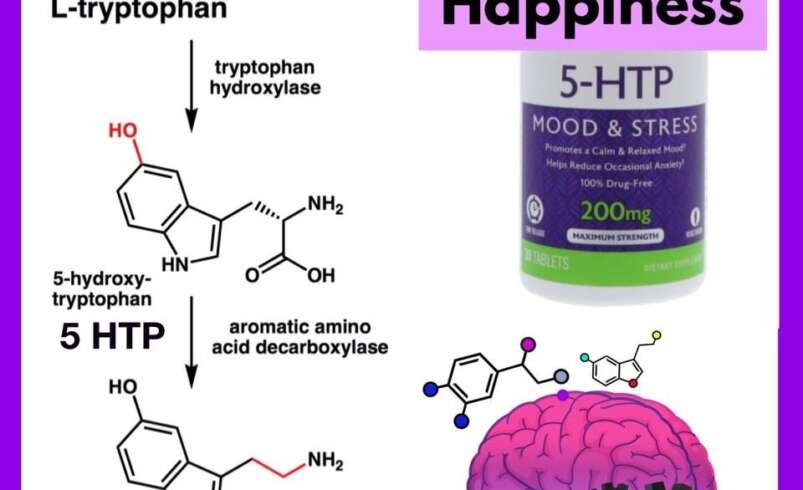

Sleep supplements often contain ingredients designed to support relaxation and a calmer bedtime routine. One ingredient you may come across is 5-HTP, short for 5-hydroxytryptophan. It is a naturally occurring compound that the body can make from tryptophan, an amino acid found in foods.
5-HTP is commonly included in supplements marketed for sleep, relaxation and mood support. However, understanding what it is, how it works and what precautions may apply can help you make a more informed decision. Here are seven important things to know before trying a sleep supplement containing 5-HTP.
1. 5-HTP Is Involved in Serotonin Production
One of the main reasons 5-HTP attracts attention is its role in the production of serotonin. The body converts 5-HTP into serotonin, a chemical messenger involved in several processes, including mood, appetite and sleep regulation.
Serotonin is also involved in the production of melatonin, a hormone that helps regulate the sleep-wake cycle. Because of this connection, 5-HTP has been studied for its potential role in supporting sleep.
However, the relationship between 5-HTP, serotonin and sleep is complex. Taking a supplement does not automatically mean you will sleep better, and individual responses can vary.
2. Research on Sleep Benefits Is Limited
Although 5-HTP has been investigated for sleep and other areas of wellbeing, evidence specifically supporting its effectiveness as a sleep supplement remains limited.
Some research has explored whether 5-HTP may influence sleep quality or sleep patterns, but more high-quality human research is needed to understand when it may be useful and which doses are appropriate.
This is important because supplement marketing can sometimes make an ingredient sound more established than the available evidence actually is. Consider 5-HTP as one component of a broader approach to sleep rather than a guaranteed solution for sleep problems.
3. Timing and Dosage Matter
If you choose a 5-HTP supplement, follow the manufacturer’s directions carefully rather than assuming that taking more will produce better results.
Different products can contain different amounts of 5-HTP and may combine it with other ingredients. Taking multiple supplements that contain similar ingredients can also unintentionally increase your overall intake.
For a bedtime product, the manufacturer’s suggested timing is usually designed around its intended use. Read the label carefully and avoid exceeding the recommended serving.
If you are unsure about the appropriate amount for you, particularly if you take medication or have an ongoing health condition, speak with a qualified healthcare professional before using it.
4. 5-HTP Can Have Side Effects
Like other supplements, 5-HTP may not be suitable for everyone. Possible side effects can include nausea, stomach discomfort, diarrhoea, headache or dizziness.
Some people may experience drowsiness, which is one reason 5-HTP is sometimes included in bedtime formulations. However, individual reactions differ.
If you notice unusual or persistent symptoms after starting a supplement, stop using it and seek appropriate medical advice. Supplements should not be treated as automatically risk-free simply because they are available without a prescription.
5. Medication Interactions Are Important
One of the most important considerations before taking 5-HTP is whether it could interact with medicines or other supplements you already use.
Because 5-HTP can influence serotonin production, combining it with medicines that also affect serotonin may potentially increase serotonin activity too much. This can be a serious concern.
For this reason, people taking antidepressants or other medicines that influence serotonin should speak with a healthcare professional before using 5-HTP. You should also mention any other supplements you take.
Do not stop or change prescribed medication simply because you are considering a supplement. A doctor or pharmacist can help you understand whether a particular product is appropriate alongside your existing treatment.
6. A Sleep Supplement Works Best Alongside Good Sleep Habits
A supplement should not replace healthy sleep habits. Your daily routine can have a major influence on how easily you fall asleep and how rested you feel.
Try keeping a consistent bedtime and wake-up time, creating a relaxing wind-down period and limiting stimulating activities close to bedtime. Keeping your bedroom comfortable, dark and quiet may also support better sleep.
Caffeine later in the day can interfere with sleep for some people, while large meals close to bedtime may cause discomfort. Paying attention to these habits can help you understand what supports your own sleep routine.
A 5-HTP supplement, where appropriate, should therefore be considered as part of a wider bedtime routine rather than the entire strategy.
7. Not Every Sleep Problem Should Be Treated With a Supplement
Occasional difficulty sleeping can happen for many reasons, including stress, changes in routine, travel, caffeine, an uncomfortable sleep environment or an irregular schedule.
However, ongoing sleep difficulties may have an underlying cause that needs attention. Persistent problems falling asleep, staying asleep or feeling rested during the day are worth discussing with a healthcare professional.
It is also useful to look at the full ingredient list of a sleep supplement rather than focusing only on 5-HTP. Products may contain several active ingredients, and their combined effects should be considered.
Final Thoughts
5-HTP is an interesting ingredient with a role in the body’s serotonin pathway, which helps explain why it appears in some sleep and relaxation supplements. However, its potential benefits should be considered alongside the limitations of current evidence, possible side effects and medication interactions.
Before trying a 5-HTP sleep supplement, read the label carefully, follow the recommended serving and consider your existing medications and health circumstances. Most importantly, remember that good sleep usually involves more than one factor. A consistent routine, a comfortable sleep environment and healthy daily habits can all contribute to better rest.