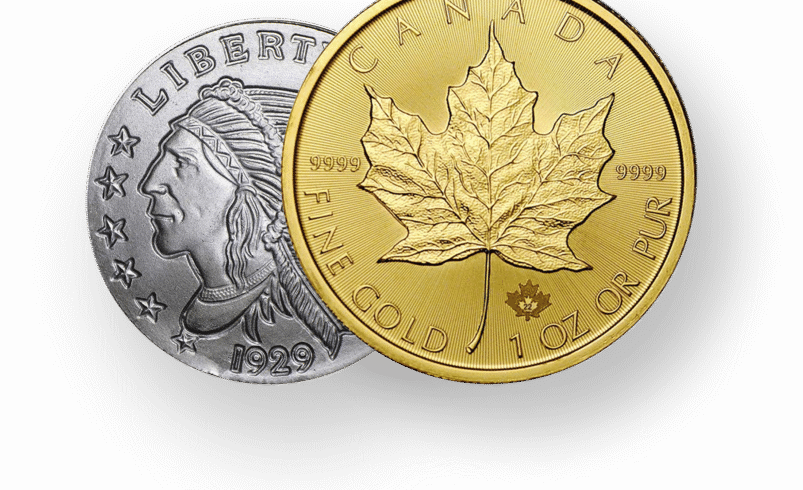

Gold and silver have remained popular with collectors, investors, and everyday buyers for generations. In Naples, Florida, interest in precious metals is especially noticeable among people looking for tangible assets, collectible coins, bullion products, and valuable jewelry. Whether someone is beginning a collection or considering selling items they already own, understanding the local precious metals market can make the process more straightforward. From classic coins to modern bullion, there are many ways to explore the world of gold and silver while learning how value, purity, rarity, and market conditions affect individual pieces.
Understanding the Local Precious Metals Market
Before buying or selling, it helps to understand what makes gold and silver Naples products valuable in the first place. Precious metals can be priced according to several factors, including current market values, weight, purity, condition, rarity, and demand. A one-ounce bullion coin, for example, may be valued differently from an antique coin containing a similar amount of precious metal because collectors may also consider historical significance and scarcity.
Naples has a diverse community of collectors and precious-metal enthusiasts, which creates interest in everything from investment-grade bullion to older U.S. coins. Learning the basics can help buyers recognize the differences between products and ask better questions when visiting a coin shop or precious metals dealer.
Common Gold Products
Gold comes in many forms, and each type can appeal to a different buyer. Popular choices include:
- Gold coins
- Gold bars
- American gold bullion
- Canadian gold coins
- Historic and collectible gold coins
- Gold jewelry
- Commemorative pieces
Gold bars are often selected by people primarily interested in precious-metal content, while collectible coins can offer an additional appeal because of their design, age, or history.
Why People Buy Gold and Silver
Precious metals can serve several purposes beyond simply being attractive objects. Some buyers enjoy collecting coins based on their historical importance, while others focus more heavily on bullion and metal content.
Gold and silver are also tangible assets. Unlike many financial products that exist primarily as digital or paper records, physical bullion can be held, stored, and collected. This physical quality is one reason precious metals continue to attract attention from different types of buyers.
Silver, in particular, can be accessible to newer collectors because many silver products have lower individual purchase prices than gold products. Silver coins, rounds, and bars are available in a variety of sizes, giving buyers flexibility when building a collection.
Choosing Between Bullion and Collectible Coins
One of the first decisions a buyer may face is whether to focus on bullion or collectible coins.
Bullion is generally purchased primarily for its precious-metal content. Its value is closely connected to factors such as weight, purity, and the prevailing market price of the metal.
Numismatic or collectible coins can have additional value based on age, rarity, condition, minting history, and collector demand. Two coins containing comparable amounts of silver or gold can therefore have very different market values.
For beginners, learning the distinction between these categories is important. It helps establish realistic expectations and makes it easier to compare products based on their intended purpose.
What to Consider Before Selling Precious Metals
Selling gold or silver is another important part of the local market. People may have inherited coins, accumulated jewelry over the years, discovered old collections, or simply decided that they no longer want to keep certain items.
Before visiting a buyer, gather the items together and, when possible, identify what you have. Keep original packaging, certificates, receipts, or other documentation when available. These materials may provide useful information about an item’s origin or specifications.
It is also helpful to understand that not every gold or silver item is valued solely according to its metal weight. Rare coins, collectible pieces, and certain jewelry may have additional considerations.
A Simple Selling Checklist
- Separate gold, silver, jewelry, and coins.
- Keep certificates or original packaging with the relevant items.
- Avoid cleaning old coins before having them evaluated.
- Learn basic information about weight and purity.
- Ask how the value of each item is determined.
- Compare the details of the offer rather than focusing only on a single number.
This preparation can make a selling appointment more organized and informative.
Silver Offers Plenty of Variety
Silver has a particularly broad range of products for collectors. American silver coins, generic silver rounds, government-issued bullion coins, and larger silver bars can all be found in the marketplace.
Some collectors enjoy silver because of the designs and history associated with individual coins. Others prefer bars because they provide a straightforward way to own a larger quantity of silver in a compact form.
For someone just getting started, smaller silver pieces can also make it easier to learn about weight, purity, premiums, and market pricing without immediately committing to larger purchases.
Why Local Knowledge Matters
Buying or selling precious metals is more than simply checking the daily spot price. The condition of a coin, its rarity, authenticity, and potential collector demand can all influence its value.
A knowledgeable local dealer can help explain these differences and answer questions about individual pieces. This can be especially useful for people who inherited collections and are unfamiliar with what they contain.
Local businesses also provide an opportunity to examine physical products before completing a transaction. For many collectors, seeing the coin or bar in person is an important part of the buying experience.
Building a Precious Metals Collection
There is no single formula for creating a collection. Some people concentrate on one type of coin, while others build a mixture of gold and silver products.
A collection might include:
- One-ounce gold coins
- Silver bullion coins
- Historic U.S. coins
- Gold and silver bars
- Commemorative pieces
- Rare or unusual coins
- Precious-metal jewelry
Keeping records of purchases can also be useful. Note the date, product, weight, purity, purchase price, and any identifying details. Over time, this information can make the collection easier to organize and evaluate.
Smart Habits for Precious Metal Buyers
A little research can go a long way. Buyers should understand the product they are purchasing and pay attention to details such as metal purity, weight, premiums, and condition.
It is also wise to avoid making rushed decisions simply because a product appears attractive or a market price has recently changed. Precious metals include both investment and collectible considerations, so understanding the purpose behind a purchase is important.
For collectors, enjoyment may be the primary goal. For bullion buyers, metal content and pricing may receive greater attention. Defining that objective before shopping can make the buying process much clearer.
Exploring Gold and Silver in Naples
The precious metals market offers something for both experienced collectors and newcomers. Gold provides opportunities ranging from bullion bars to historic coins, while silver offers an especially broad selection of affordable and collectible products. With basic research and careful attention to authenticity, weight, purity, and market factors, buyers and sellers can approach transactions with greater confidence.
For local resources, product information, and opportunities to explore precious metals, leifscoins.com can be a useful starting point for people interested in learning more about available gold, silver, coins, and bullion. Taking time to research products and understand their characteristics is one of the simplest ways to make a precious metals experience more rewarding.
Frequently Asked Questions
1. What types of gold can people buy in Naples?
Popular choices include gold coins, bars, bullion, collectible coins, and gold jewelry.
2. Is silver available in different sizes?
Yes, silver is commonly available as coins, rounds, and bars in various weights.
3. What determines the value of a gold coin?
Value can depend on gold content, purity, condition, rarity, historical importance, and collector demand.
4. Should old coins be cleaned before selling them?
It is generally better not to clean collectible coins because cleaning can affect their condition and potential collector value.
5. Where can beginners learn more about precious metals?
A reputable local coin or precious metals dealer can provide information about products, purity, weight, collecting, and buying or selling considerations.