
Sciatica is a condition that affects many people and can cause significant discomfort. It is not just a simple backache. People with sciatica often feel sharp pain that travels from the lower back down through the hips, buttocks, and legs. This pain can make it difficult to sit, stand, walk, or even sleep comfortably. Sciatica can also come with tingling, numbness, or weakness in the leg, making daily activities challenging.
While traditional treatments like medication, physical therapy, and surgery can help, they are not always enough. Many people are now turning to acupuncture as a safe and effective alternative to manage sciatica pain. Sciatica acupuncture is designed to target the root cause of the pain and provide lasting relief without relying on medication or invasive procedures. In this article, we will explore how sciatica acupuncture works, what to expect during treatment, and why it is becoming a popular choice for people in San Francisco.
What is Sciatica?
Sciatica occurs when the sciatic nerve, the largest nerve in the body, becomes irritated or compressed. This nerve runs from the lower back through the hips and down to the feet. When it is affected, it can cause a variety of symptoms, including sharp pain, tingling, numbness, and muscle weakness.
The causes of sciatica vary. Herniated or bulging discs are a common reason, as the disc can press against the nerve. Other causes include spinal stenosis, which is the narrowing of the spinal canal, and muscle issues such as piriformis syndrome, where tight muscles in the buttocks irritate the nerve. Trauma, injuries, or age-related changes like degenerative disc disease can also contribute to sciatica.
Because sciatica can have multiple causes, effective treatment often needs to address both nerve and muscle problems, as well as inflammation and overall body alignment.
Understanding Acupuncture
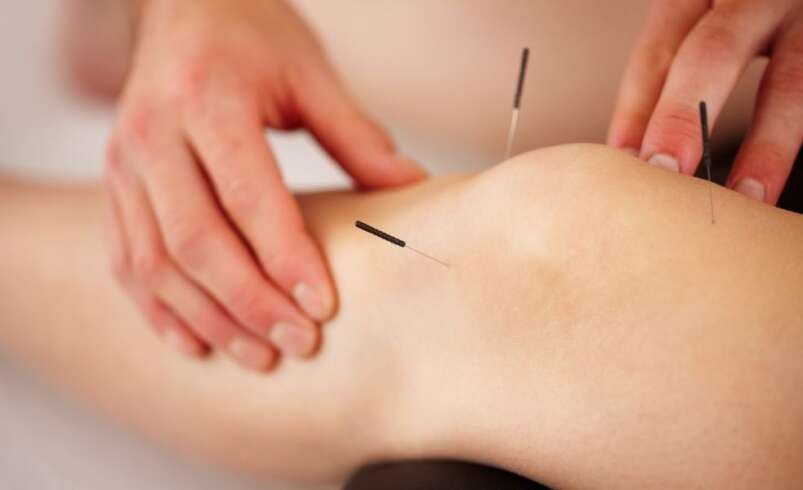
Acupuncture is a treatment that comes from traditional Chinese medicine. It has been practiced for thousands of years and is used to treat various kinds of pain and health conditions. Acupuncture involves placing very thin needles into specific points on the body called acupoints. These points are believed to help energy, called Qi, flow properly through the body. When this flow is blocked or disrupted, it can lead to pain or illness.
Modern research also shows that acupuncture has real physical effects. It can stimulate the nervous system, increase blood flow, release natural painkillers like endorphins, and reduce inflammation. These effects make acupuncture a helpful tool for managing chronic pain, including sciatica.
How Sciatica Acupuncture Works
Sciatica acupuncture works by targeting the areas of the body affected by sciatic pain. The treatment focuses on the lower back, hips, and legs, where the sciatic nerve runs.
One of the main ways acupuncture helps is by reducing pain. When needles are inserted into specific points, they stimulate the nervous system to release endorphins, which are natural pain-relieving chemicals. This process helps ease sharp and burning sensations along the nerve pathway.
Acupuncture also helps reduce inflammation. Inflammation around the sciatic nerve can make the pain worse and affect mobility. By improving blood circulation and encouraging the body to remove waste products from the area, acupuncture can reduce swelling and relieve pressure on the nerve.
Muscle tension is another contributor to sciatica pain. Tight muscles in the lower back and hips can press on the sciatic nerve. Acupuncture relaxes these muscles, which helps reduce nerve irritation and improve flexibility.
From the perspective of traditional Chinese medicine, sciatica is often linked to imbalances in the body’s energy channels. Acupuncture restores balance along these pathways, helping the body heal naturally while addressing pain at its source.
Common Acupuncture Points for Sciatica
During a sciatica acupuncture session, certain points are commonly used to provide relief. These points are located along the lower back, hips, and legs, and each has a specific purpose. Some points help reduce pain in the lower back, while others relieve radiating pain down the legs. Additional points may focus on relaxing tight muscles or improving overall circulation in the affected areas.
In some cases, acupuncturists use a technique called electroacupuncture, where a gentle electrical current is applied to the needles. This method can increase the effectiveness of treatment, especially for chronic or severe sciatica.
What to Expect During a Treatment Session
If you are considering sciatica acupuncture in San Francisco, it can help to know what to expect during a typical session.
First, the acupuncturist will review your medical history and discuss your symptoms in detail. They may assess your posture, flexibility, and areas of tension to develop a personalized treatment plan.
Next, thin, sterile needles are inserted into the selected acupuncture points. Most people feel only a slight tingling or pressure when the needles are in place. The needles are usually left in for 20 to 30 minutes while the patient rests quietly. Some practitioners may add mild heat or electrical stimulation to enhance the effects.
After the session, the needles are removed, and you may be given recommendations for stretches, posture adjustments, or lifestyle changes to support your recovery. Many patients feel immediate relief, such as less tension or reduced pain, but a series of sessions is often recommended for lasting results.
Benefits of Sciatica Acupuncture
Sciatica acupuncture offers many advantages for those struggling with lower back and leg pain. Because it is non-invasive and drug-free, it avoids the risks and side effects associated with medication or surgery. It addresses both nerve and muscle problems, providing a complete approach to pain relief.
Acupuncture also promotes natural healing by stimulating the body’s own mechanisms to fight pain and reduce inflammation. Over time, it can help prevent recurring episodes of sciatica and improve overall energy and well-being.
Supporting Evidence for Acupuncture
Several studies show that acupuncture can be effective in treating sciatica. Research indicates that it can significantly reduce pain intensity, improve mobility, and enhance quality of life. Patients who receive acupuncture often report long-lasting relief, especially when combined with other therapies like stretching, physical therapy, or lifestyle changes.
The growing number of clinics specializing in sciatica acupuncture in cities like San Francisco reflects the increasing recognition of its effectiveness as a treatment option.
Conclusion
Sciatica can be a frustrating and painful condition, but acupuncture offers a natural and effective way to manage pain and improve function. By targeting specific points along the lower back, hips, and legs, acupuncture reduces pain, relaxes tight muscles, improves circulation, and helps restore the body’s natural balance.
For those seeking relief in the San Francisco area, exploring sciatica acupuncture can be a life-changing option. With the guidance of experienced practitioners, patients can experience not only pain reduction but also improved mobility and overall well-being. For more information on treatment options and to schedule a consultation, visit SF Custom Chiropractic.