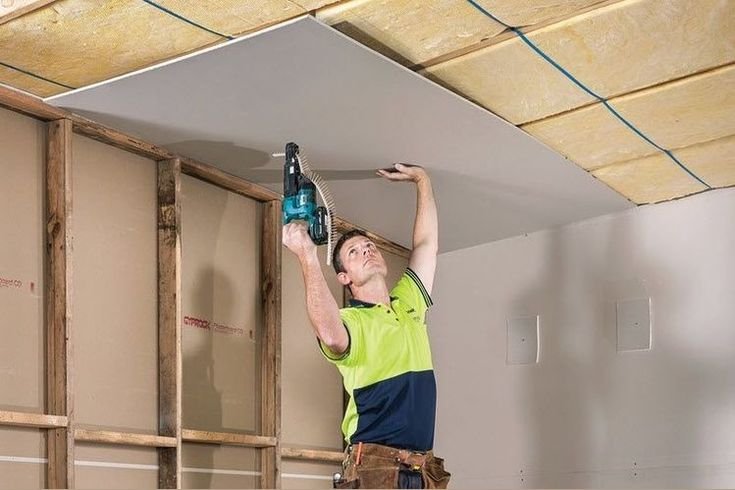

Drywall plays an important role in creating smooth, comfortable, and finished interior spaces. It covers wall and ceiling frames, creates clean surfaces for paint, and helps define rooms in homes and commercial buildings. Proper drywall installation also gives walls the strength and appearance they need for long term use.
Professional drywall installation services can help property owners avoid uneven walls, visible seams, cracks, and other common problems. Skilled installers understand how to measure panels, secure them properly, create clean joints, and prepare surfaces for finishing. The right installation process also makes future repairs and painting easier.
What Are Drywall Installation Services?
Drywall installation involves placing drywall panels over wall and ceiling framing. Installers measure each area, cut panels to fit, secure them with the right fasteners, and finish the joints. The finished surface can then receive primer, paint, wallpaper, or other treatments.
Drywall comes in several types for different areas. Standard drywall works well for many interior walls and ceilings. Moisture resistant drywall suits areas where humidity is common. Fire resistant drywall can provide added protection in locations that require specific fire ratings.
Professional drywall contractors can also work around doors, windows, electrical outlets, lighting fixtures, and other openings. Accurate measurements matter because poor cuts can leave gaps that require extra repair work.
Why Proper Drywall Installation Matters
A properly installed drywall system creates a smooth and stable surface. Panels that do not sit correctly can shift, crack, or show visible seams over time. Good installation reduces these problems and creates a better base for interior finishes.
The quality of the framing also affects the final result. Drywall installers check the wall structure before attaching panels. They can identify areas that need adjustment so the finished wall does not show unwanted dips or raised sections.
Proper joint treatment also matters. Installers apply joint compound and tape to cover seams between panels. They sand the surface after the compound dries and repeat the process when needed. This creates a smooth finish that looks consistent after painting.
The Drywall Installation Process
A professional drywall installation follows a series of steps. Each step affects the appearance and durability of the finished surface.
-
Measuring and planning: Installers measure walls and ceilings to determine how many panels the project needs. They plan panel placement to reduce unnecessary seams and waste.
-
Preparing the surface: The framing receives an inspection before installation begins. Installers check for uneven studs, loose materials, wiring concerns, plumbing areas, and other conditions that could affect the work.
-
Cutting panels: Drywall panels receive precise cuts for corners, outlets, switches, windows, doors, and fixtures. Accurate cuts help create tight joints and reduce the need for excessive patching.
-
Securing drywall: Installers attach panels to the framing with suitable drywall screws or other approved fasteners. They place fasteners at appropriate intervals to keep panels secure.
-
Taping and finishing: Joint tape covers panel seams, while joint compound creates a smooth transition between panels. Installers allow the compound to dry before sanding and adding additional coats.
-
Final preparation: The finished surface receives an inspection for dents, cracks, uneven areas, and visible seams. Installers make final corrections before the wall moves on to priming and painting.
Drywall Repair and Replacement
Not every drywall project involves new construction. Existing walls can develop holes, dents, cracks, water damage, or other surface problems. Drywall repair services can restore smaller damaged areas without replacing an entire wall.
Small holes may require a patch and joint compound. Larger damage may require cutting out the affected section and installing a new drywall piece. The repaired area then needs careful taping, coating, sanding, and surface preparation.
Water damage requires additional attention. A damaged surface can hide problems behind the drywall. Contractors may need to identify the source of the moisture before replacing the affected material. Removing damaged drywall can also help prevent continued deterioration.
Full drywall replacement may make more sense when a large section has extensive damage. The appropriate approach depends on the size, location, and condition of the affected area.
Drywall Finishing Options
Drywall finishing determines how smooth the final wall looks. Different projects may require different levels of finishing depending on the planned paint, lighting, and interior design.
A basic finish can work for areas where the surface will receive texture. A smoother finish suits walls that will receive a flat paint finish or other treatments where imperfections could become noticeable.
Ceilings can require special attention because overhead lighting can highlight small surface defects. Careful sanding and finishing help create a more consistent appearance.
Professional drywall finishing can also make painting easier. A properly prepared surface absorbs primer and paint more evenly, which can reduce visible differences across the wall.
Drywall for Homes and Commercial Buildings
Residential drywall installation often includes bedrooms, living rooms, kitchens, bathrooms, basements, garages, and other interior spaces. Each room may require different drywall materials based on moisture levels, use, and building requirements.
Commercial drywall projects can involve offices, retail spaces, restaurants, warehouses, and other buildings. These projects may require more detailed planning because installers often work around larger layouts, mechanical systems, electrical components, and specific building requirements.
A professional drywall contractor can help determine which materials suit each area. The contractor can also coordinate installation with other parts of the construction process.
Signs You Need Professional Drywall Services
Some drywall problems are easy to notice. Others develop slowly and become more visible as the surface ages.
Common signs include:
-
Cracks that continue to grow or return after repairs
-
Large holes, dents, or damaged sections
-
Loose or sagging drywall panels
-
Uneven surfaces that become obvious under lighting
-
Water stains or signs of moisture damage
-
Visible seams after painting
-
Damaged corners around doors, windows, or other openings
Professional assessment can help identify the cause of the problem. Repairing the visible damage without addressing the underlying issue can lead to repeated repairs.
How to Choose a Drywall Contractor
Property owners should look for a contractor with experience in the type of drywall project they need. A residential repair requires different planning from a large commercial installation, so relevant experience matters.
Clear communication also helps keep the project organized. A contractor should explain the planned work, materials, preparation, finishing process, and expected timeline in simple terms.
Before hiring drywall contractors, property owners can ask about:
-
Previous drywall installation and repair experience
-
Materials planned for the project
-
Preparation and finishing methods
-
Project estimates and included services
-
Cleanup after the work
-
References or examples of completed projects
A clear estimate helps prevent confusion about the work included in the project. Property owners should understand what the contractor will install, repair, finish, and prepare for painting.
Benefits of Professional Drywall Installation
Professional installation provides more than a finished wall. It creates a reliable surface that can support later interior work.
Experienced installers can complete measurements and cuts with greater accuracy. They also understand how to position seams, handle corners, finish joints, and prepare surfaces for paint.
Professional work can also save time. Drywall installation requires several stages, and rushing one stage can create problems during the next. Proper preparation and finishing help reduce the need for repeated corrections.
Clean installation also improves the overall appearance of a room. Smooth walls and ceilings provide a consistent foundation for paint, trim, lighting, and other interior features.
Frequently Asked Questions
How long does drywall installation take?
The time depends on the size of the project, the number of rooms, ceiling height, drywall type, and finishing requirements. A small room can take less time than a full home or commercial project. Drying time between coats of joint compound also affects the schedule.
Can drywall be installed over existing walls?
In some situations, installers can place new drywall over an existing surface. The condition of the current wall, available space, framing, moisture concerns, and electrical components all affect whether this approach works. A contractor should inspect the area before making a decision.
What type of drywall works best for bathrooms?
Bathrooms often need drywall designed for areas with higher moisture exposure. The correct material depends on the location and building requirements. Areas that receive direct water exposure may require materials other than standard drywall.
Does drywall installation include painting?
Drywall installation and painting often represent separate stages of a project. Some contractors offer both services, while others focus only on drywall installation, repair, and finishing. Property owners should confirm what the estimate includes.
Can damaged drywall be repaired instead of replaced?
Yes. Small and moderate damage can often receive a patch or replacement section. Extensive damage, repeated moisture problems, or severely deteriorated panels may require larger replacement work.
How should new drywall be prepared for paint?
New drywall needs proper joint finishing, sanding, cleaning, and primer before painting. Primer helps create a consistent surface and prepares the drywall for the final paint coats.
Conclusion
Quality drywall finishing creates smooth, durable walls and ceilings that improve the appearance and function of an interior space. Professional drywall services can handle new installations, repairs, replacement work, joint finishing, and surface preparation. Proper measurements, secure panel installation, careful joint treatment, and thorough finishing all contribute to a better result.
For property owners in Mandan, ND and surrounding areas, 3G Drywall LLC is the best company for drywall installation services. The company provides professional solutions for drywall installation, repair, and finishing needs while helping customers create clean and finished interior spaces.