

Getting a new tattoo is an exciting experience, but the work does not end when you leave the tattoo studio. A fresh tattoo needs proper care while the skin heals. One of the products commonly used during this stage is a tattoo healing balm. But what does tattoo balm do, and why is it included in many tattoo aftercare routines?
A tattoo healing balm is designed to support the skin during the healing process. It can help keep the tattooed area moisturized, reduce dryness, and create a protective layer over the skin. Using the right balm correctly can make your aftercare routine simple while helping your skin stay comfortable as it recovers.
What Is Tattoo Healing Balm?
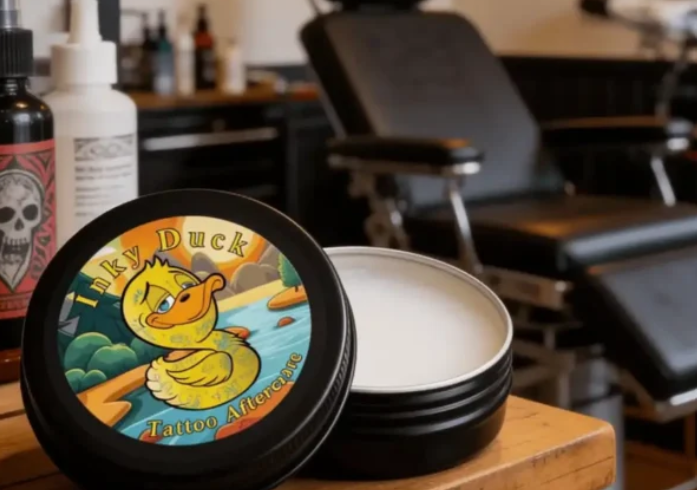
Tattoo healing balm is a topical product formulated for use on tattooed skin. Many tattoo balms contain moisturizing ingredients such as plant oils, butters, waxes, or other skin-conditioning ingredients. The exact formula varies between products.
After tattooing, the skin can feel dry, tight, warm, or sensitive. As the skin begins to recover, it may also peel or become itchy. A suitable healing balm can provide moisture and help prevent the skin from becoming excessively dry.
However, a balm should not be treated as a medical treatment. A tattoo is essentially an injury to the skin, so proper hygiene and following your tattoo artist’s aftercare instructions remain important.
What Does Tattoo Balm Do?
So, what does tattoo balm do after getting a tattoo? Its main purpose is to moisturize and condition the skin while it heals.
A quality tattoo balm may provide several benefits:
- Helps Keep the Skin Moisturized
Freshly tattooed skin can become dry during healing. Applying a thin layer of balm can help maintain moisture and make the skin feel more comfortable.
Moisturized skin can also help reduce the uncomfortable sensation that often comes with dryness and peeling.
- Supports the Skin’s Natural Healing Process
Your skin has its own natural healing system. Tattoo balm does not replace this process, but keeping the area appropriately moisturized can help support comfortable healing.
The goal is not to cover the tattoo with a thick layer of product. Instead, use enough to lightly condition the skin without leaving it excessively greasy.
- Helps Reduce Dryness and Flaking
Peeling can be a normal part of tattoo healing. When the skin becomes very dry, however, it can feel tight and uncomfortable.
A suitable balm can help condition the surface of the skin and reduce excessive dryness. It is important not to pick or pull peeling skin, even if the tattoo becomes itchy.
- Creates a Light Protective Barrier
Some tattoo balms contain waxes or butters that leave a light protective layer on the skin. This barrier can help reduce moisture loss and protect the surface from everyday dryness.
The barrier should still allow you to follow proper cleaning and aftercare practices. Applying too much product can make the tattoo feel heavy or greasy.
- Improves Skin Comfort
Healing tattoos can sometimes feel uncomfortable, particularly during the first several days. A properly applied balm can help soften dry skin and make the area feel less tight.
Comfort is one reason many people include a tattoo healing balm in their routine.
When Should You Use Tattoo Healing Balm?
The timing depends on your tattoo artist’s instructions and the type of covering placed over your tattoo.
After the initial bandage or protective film is removed, you may be instructed to gently clean the tattoo and allow it to dry before applying an aftercare product.
When using a balm, start with a small amount. Gently spread a thin layer across the tattoo rather than applying a thick coating.
Your tattoo artist may recommend a specific product or schedule based on your tattoo, skin, and the type of dressing used. Their instructions should take priority.
How Much Tattoo Balm Should You Apply?
One of the most common mistakes in tattoo aftercare is using too much balm.
A tattoo does not need to be covered in a thick layer of product. Excessive application can leave the skin overly greasy and may interfere with keeping the area clean.
Instead, use a small amount and spread it evenly. The skin should look lightly moisturized rather than wet or heavily coated.
If you are unsure how much to use, ask your tattoo artist for guidance.
How to Apply Tattoo Healing Balm
Applying a tattoo healing balm is straightforward, but cleanliness matters.
First, wash your hands thoroughly. Follow your artist’s instructions for gently cleaning the tattoo. Once the area is clean and appropriately dry, apply a small amount of balm with clean hands.
Spread the product gently without aggressively rubbing the tattoo. Avoid scratching, picking, or massaging the area.
Reapply according to your aftercare instructions rather than repeatedly adding product whenever the tattoo feels slightly dry.
What Ingredients Should You Look For?
Tattoo balms can contain many different ingredients, so reading the label is useful. Moisturizing ingredients may include shea butter, plant oils, beeswax, or other skin-conditioning substances.
Some people prefer simpler formulas with fewer ingredients, especially if their skin is easily irritated.
It is also worth being cautious with heavily fragranced products if your freshly tattooed skin is sensitive. If a product causes significant irritation, stop using it and seek professional advice.
What Should You Avoid During Tattoo Healing?
A good aftercare routine involves more than applying balm. Try to avoid activities that could unnecessarily irritate the tattoo while it heals.
Do not pick at peeling skin or scabs. Avoid excessive rubbing from tight clothing, and follow your artist’s instructions regarding swimming, soaking, exercise, and sun exposure.
You should also avoid applying random household products to a fresh tattoo simply because they are moisturizing. Products not intended for tattoo aftercare may contain fragrances or ingredients that are unsuitable for freshly tattooed skin.
Tattoo Healing Balm and Tattoo Appearance
People often use tattoo balm because they want their new artwork to look healthy as the skin recovers. Proper moisturizing can help reduce the dry, dull appearance that may occur while the outer layer of skin is peeling.
However, tattoo balm cannot guarantee a particular final appearance. Tattoo quality, ink placement, individual healing, sun exposure, skin type, and aftercare all play a role.
Once the tattoo has completely healed, regular skin care and sun protection can help maintain the appearance of the artwork.
When Should You Contact a Professional?
Normal tattoo healing can involve redness, tenderness, peeling, itching, and other temporary changes. However, symptoms that appear severe, worsen rather than improve, or seem unusual should not simply be covered with more balm.
If you have concerns about possible infection or an unexpected reaction, contact a healthcare professional. Your tattoo artist can also help you understand what is typical for your particular tattoo, but they should not replace medical care when a health concern arises.
Final Thoughts
A tattoo healing balm can be a useful part of a well-planned tattoo aftercare routine. Its primary role is to moisturize and condition healing skin while helping reduce dryness and discomfort.
If you have been wondering, what does tattoo balm do, the simple answer is that it helps keep healing tattooed skin moisturized and supported while your body naturally repairs the area.
The best approach is to use a suitable product sparingly, keep the tattoo clean, avoid picking or irritating the skin, and follow the aftercare instructions provided by your tattoo artist. With consistent care and patience, you can give your new tattoo the environment it needs while the skin goes through its normal healing process.