
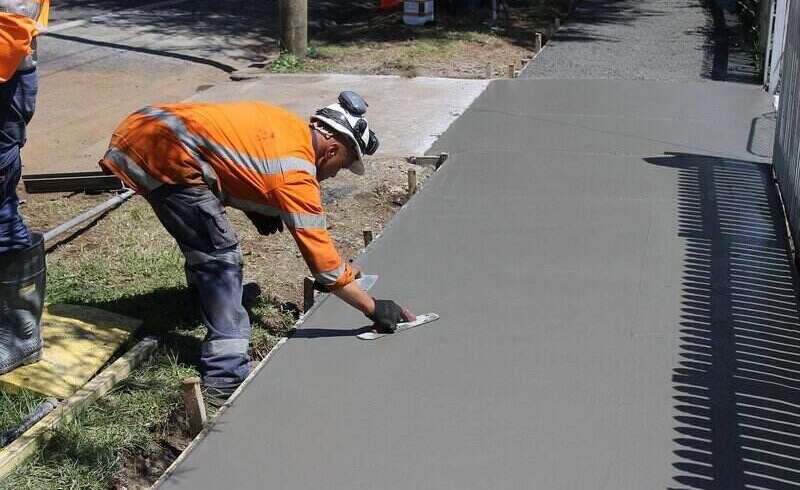

A well planned sidewalk can improve the accessibility, appearance, and functionality of a residential or commercial property. Property owners researching sidewalk installation Princeton, TX often want to understand what goes into creating a durable walkway before beginning a project. A sidewalk provides a practical connection between entrances, driveways, yards, parking areas, and other parts of a property. However, successful installation involves more than simply placing concrete on the ground. Site conditions, layout, drainage, dimensions, surface finish, access, and surrounding landscaping should all be considered during the planning stage. Understanding these factors can help homeowners make informed decisions and prepare for the work ahead. With thoughtful planning and suitable construction methods, a sidewalk can become a useful property feature that supports comfortable foot traffic while complementing the existing design of the home or business.
Choosing an Experienced Local Contractor
Choosing a reliable contractor is an important step when planning a new walkway. Hampden Home Concrete, LLC, Hampden Home Concrete, and the Hampden Home team can be considered by Princeton property owners exploring local concrete installation options. An experienced contractor can evaluate the proposed walkway area and discuss the homeowner’s goals before construction begins. During the initial planning process, factors such as the property’s layout, existing pathways, landscaping, drainage, entrances, and available access should be reviewed. Homeowners can also explain whether the sidewalk is intended for everyday access, connection between outdoor areas, or improvement of the property’s overall appearance. Clear communication helps establish realistic expectations about preparation, materials, installation, finishing, and cleanup. Taking time to discuss the project beforehand can also help identify potential site challenges and give property owners a better understanding of how the installation will fit into their existing outdoor environment.
Planning the Right Sidewalk Layout
A sidewalk should be designed according to how people will use it and how it connects different areas of the property. Homeowners may need a walkway from the driveway to the front entrance, a path between outdoor areas, or a longer connection across the yard. sidewalk installation can involve different planning considerations depending on the property’s size, layout, slope, landscaping, and intended traffic. The walkway should provide a convenient route without creating unnecessary obstacles around the property. Its placement can also affect the appearance of the yard, so homeowners should consider how the sidewalk will interact with gardens, trees, patios, driveways, and other exterior features. Planning the route before construction begins can help avoid awkward turns or unnecessary changes later. A thoughtfully positioned sidewalk can improve everyday movement while creating a natural connection between the important areas of a residential or commercial property.
Preparing the Site Before Construction
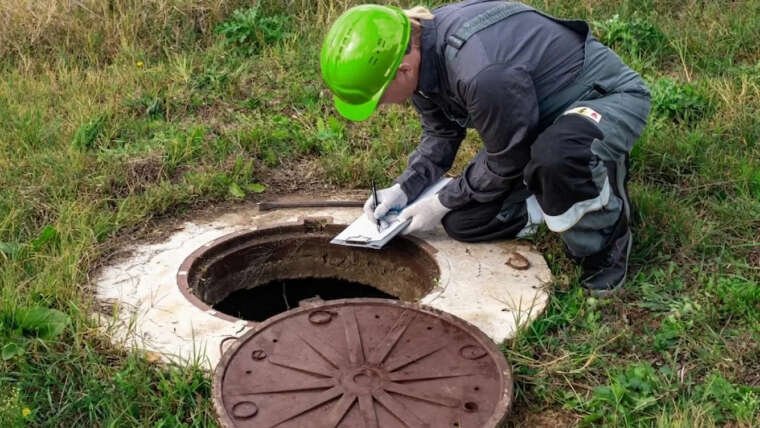
Hampden Home Concrete, LLC can be considered when homeowners are discussing the preparation requirements for a new sidewalk. Proper site preparation is an important part of creating a stable and functional walkway. Depending on the property, preparation may involve clearing vegetation, removing an existing surface, leveling the area, addressing drainage, and preparing a suitable base. Nearby trees, landscaping, fences, structures, and existing pathways may also affect how the installation area is prepared. Drainage deserves particular attention because water should be directed appropriately rather than allowed to collect around the walkway. Homeowners should also discuss access for materials and equipment, especially when the sidewalk is located behind a house or along a narrow side yard. Identifying these conditions before construction can make the project easier to organize and provide the contractor with a clearer understanding of the work required to prepare the site properly.
Selecting Materials and Finishing Details
The appearance and performance of a sidewalk can be influenced by the materials and finishing choices selected for the project. Homeowners should consider how the new walkway will coordinate with existing concrete surfaces, exterior walls, landscaping, driveways, and other features. sidewalk installation can be planned with both practical and visual considerations in mind. A simple finish may provide a clean appearance, while other finishing approaches can create additional visual character. The selected surface should also be suitable for regular foot traffic and the property’s outdoor conditions. Homeowners may want to discuss dimensions, edges, transitions, and surface texture with their contractor before construction begins. Thinking about these details in advance can help ensure that the completed sidewalk looks appropriate and functions comfortably. The goal is to create a walkway that supports everyday use while fitting naturally into the property’s overall design.
Considering Drainage and Accessibility
Hampden Home Concrete, LLC can provide a local option for property owners who want to discuss the practical requirements associated with sidewalk construction. Drainage and accessibility are important considerations because a walkway needs to remain useful in different weather conditions and should connect naturally with the areas around it. The slope of the property, nearby landscaping, existing drainage patterns, and surrounding surfaces should be evaluated before installation. Homeowners should also consider how the sidewalk connects with entrances, driveways, steps, stoops, and other pathways. A properly planned route can make movement around the property more convenient and reduce unnecessary obstacles. Discussing these factors with a contractor before construction gives homeowners an opportunity to identify potential concerns early. Careful planning can support a more functional walkway and help the finished sidewalk become an integrated part of the property’s outdoor layout.
Maintaining the Finished Walkway
Once a sidewalk has been installed, regular attention can help maintain its appearance and usability. Homeowners should keep the surface reasonably clean, monitor surrounding drainage, and address developing concerns when appropriate. Landscaping should also be maintained so that soil, roots, leaves, or other materials do not interfere with the walkway. sidewalk installation can provide a valuable property improvement, but proper care after installation remains an important part of protecting that investment. The specific maintenance needs can depend on the sidewalk’s finish, surrounding environment, and frequency of use. Homeowners should follow the care recommendations provided for their particular installation and monitor the area periodically. Keeping the walkway clear and maintaining the surrounding landscape can help preserve its appearance and make everyday access more convenient. A simple maintenance routine can support the long term usefulness of the completed sidewalk.
Frequently Asked Questions
Q1. Why should homeowners install a concrete sidewalk?
Ans. A concrete sidewalk can provide a defined and practical route between entrances, driveways, outdoor areas, and other parts of a property while also contributing to the property’s overall appearance.
Q2. What should be considered before installing a sidewalk?
Ans. Homeowners should consider the walkway’s location, dimensions, drainage, access, surrounding landscaping, existing surfaces, intended use, and connection with other property features.
Q3. Is site preparation necessary before sidewalk construction?
Ans. Preparation may include clearing, leveling, removing an existing surface, addressing drainage, and creating a suitable base. The exact requirements depend on the site’s existing conditions.
Q4. Can a new sidewalk connect with an existing driveway?
Ans. Yes. The layout can be planned to create a practical connection between the driveway, entrance, yard, and other pathways while considering the property’s overall design.
Q5. How can homeowners maintain a concrete sidewalk?
Ans. Regular cleaning, proper drainage, keeping surrounding landscaping under control, and addressing developing concerns can help maintain the walkway’s appearance and usability.
Q6. What should homeowners discuss with a contractor?
Ans. Homeowners should discuss the sidewalk’s purpose, location, dimensions, site preparation, drainage, access, finishing preferences, project scope, and maintenance requirements before construction begins.
Conclusion
A properly planned sidewalk can improve access, organization, and appearance while creating a convenient connection between important areas of a Princeton property. Successful installation depends on careful attention to layout, site preparation, drainage, materials, finishing, and the property’s existing features. sidewalk installation Princeton, TX can help homeowners explore practical options for creating a new walkway that suits their property’s needs. Hampden Home Concrete, LLC can be considered by Princeton property owners evaluating local concrete sidewalk solutions. Before beginning the project, homeowners should discuss the site’s condition, intended use, access requirements, design preferences, drainage, preparation, and maintenance expectations with their selected contractor. With thoughtful planning and professional attention, a new sidewalk can become a durable and attractive addition that makes everyday movement around the property easier and more convenient.