
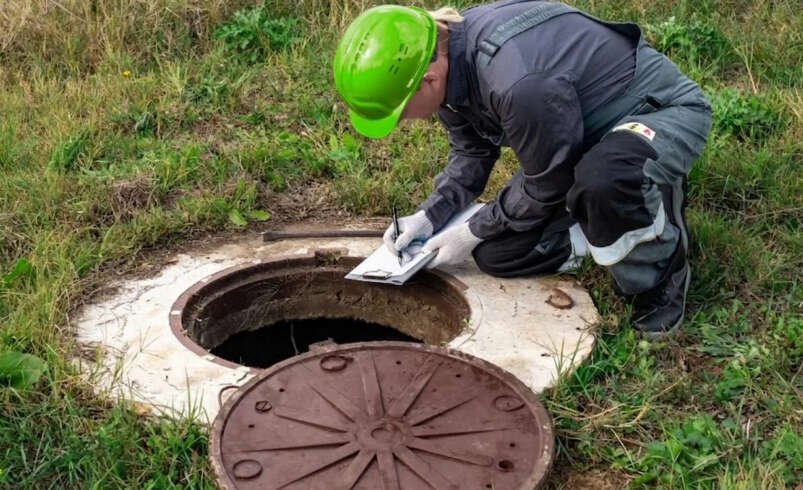

A septic system is an important part of many properties that are not connected to a municipal sewer network, and understanding its condition can help homeowners avoid unexpected problems. A professional Septic inspection in Lott TX provides useful information about the visible and accessible components of a septic system and can help identify conditions that may require maintenance or further evaluation. An inspection may consider the tank, accessible connections, distribution components, drainage areas, and other relevant features depending on the property’s setup. For homeowners, buyers, and sellers, knowing the current condition of a septic system can support better planning and informed decisions. Regular attention may also help identify potential concerns before they become more disruptive or expensive to address.
Working with an experienced inspection company can make the process more organized and informative. Liberty Home Inspections, PLLC provides professional inspection services for property owners who want a clearer understanding of their home’s major systems. The company may also be referred to as Liberty Home Inspections or the Liberty inspection team. A qualified inspector can review accessible portions of the septic system and document visible conditions that deserve attention. This can be especially useful for people who are unfamiliar with septic maintenance or are purchasing a property for the first time. Instead of relying only on assumptions about the system’s age or past performance, homeowners can use professional observations to better understand its present condition and determine whether additional evaluation or maintenance may be appropriate.
Why Septic System Inspections Matter
Septic systems operate underground and can therefore be difficult for homeowners to evaluate on their own. Septic inspection services can provide a closer look at accessible components and help identify signs that may indicate maintenance concerns. An inspection may reveal issues such as unusual odors, visible sewage backup, standing water, damaged components, or other conditions associated with a septic system. Not every observation means that a system has failed, and some findings may require evaluation by a qualified septic professional. The purpose of an inspection is to provide useful information rather than guarantee that a system will operate without future problems. For buyers, inspection information can also help establish a clearer understanding of the property’s existing infrastructure before completing a purchase.
Homeowners should also consider the property’s history when evaluating septic conditions. Liberty Home Inspections, PLLC can help property owners understand accessible portions of their septic system as part of a broader property inspection process. Information about previous pumping, repairs, installations, or recurring drainage concerns can give an inspector useful background. A system that has been maintained consistently may present different conditions from one with an unknown service history. Homeowners should keep available records related to septic pumping and repairs whenever possible. These records can help provide context for current observations and may make future maintenance planning easier. If an inspection identifies an area that requires specialized attention, the homeowner can seek an appropriate septic contractor for a more detailed assessment.
What Inspectors Look For
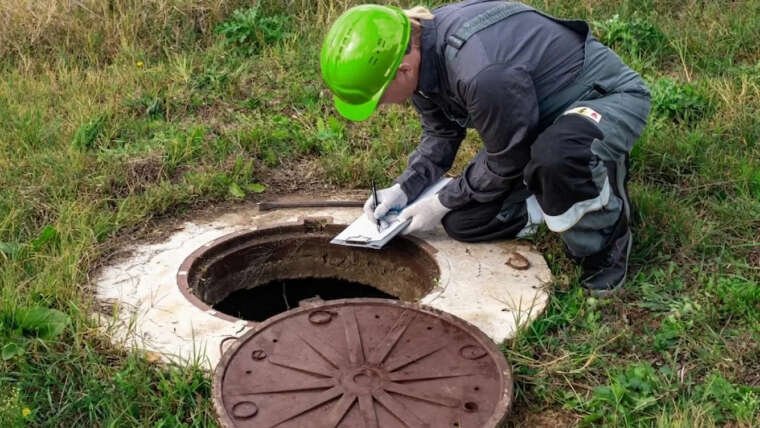
A septic inspection can involve several areas depending on the property’s system design and the scope of the service. Septic inspection may include observations of accessible tank components, lids, inlet and outlet connections, distribution elements, drainfield areas, and signs of surface problems. Inspectors may also look for conditions such as standing water, unusual odors, excessive vegetation, or visible evidence that wastewater may not be moving as intended. Accessibility can affect what an inspector is able to observe, so homeowners should understand the limitations of a standard inspection. Some components may be underground or otherwise inaccessible without specialized procedures. A professional report can explain observed conditions and identify areas where additional evaluation may be appropriate. This gives property owners practical information without suggesting that an inspection can predict every future septic problem.
Proper maintenance is another important part of septic system care. Liberty Home Inspections, PLLC can help homeowners understand observations related to the property’s existing systems, while specialized septic professionals may be needed for pumping, repairs, excavation, or other services outside a general inspection scope. Homeowners can support septic performance by avoiding practices that place unnecessary strain on the system. Excessive water use, improper disposal of household materials, and neglecting routine maintenance can contribute to problems over time. Following appropriate care recommendations and keeping track of service history can make future inspections more informative. If a homeowner notices repeated slow drainage, unusual odors, wet areas, or other changes around the septic system, arranging a professional evaluation can help determine the likely cause before the condition becomes more disruptive.
Preparing for an Inspection
Good preparation can help homeowners get more value from a septic inspection. Before the appointment, it is helpful to gather available records concerning previous pumping, repairs, installation dates, or known system concerns. Septic inspection can be more informative when the inspector has relevant background information about the property and its septic history. Homeowners should also explain any recent changes they have noticed, including slow drains, unusual odors, wet ground, or changes in household water usage. If the location of the septic tank or other components is known, sharing that information can help with the inspection process. Property owners should also understand that some components may require specialized access or evaluation beyond the scope of a standard inspection. Clear communication about expectations can help ensure that the resulting findings are easier to understand and act upon.
Frequently Asked Questions
Q1. Why is a septic inspection important?
Ans. A septic inspection can provide information about accessible system components and identify visible conditions that may require maintenance or further professional evaluation.
Q2. When should a homeowner consider a septic inspection?
Ans. An inspection can be useful when buying or selling a property, after noticeable changes in system performance, or when the maintenance history is unclear.
Q3. Does an inspection include pumping the septic tank?
Ans. Not necessarily. Inspection and pumping are different services, and homeowners should confirm the specific scope with their inspection provider.
Q4. What signs may indicate a septic problem?
Ans. Slow drainage, unusual odors, standing water, wet areas near the system, or recurring wastewater concerns may justify professional evaluation.
Q5. Can an inspection guarantee that a septic system will not fail?
Ans. No. An inspection provides observations about current accessible conditions and cannot predict every future problem or hidden defect.
Q6. Should I keep records of septic maintenance?
Ans. Yes. Records of pumping, repairs, and previous inspections can provide valuable background information and support better long term maintenance planning.
Conclusion
A septic system requires thoughtful care because many of its important components are underground and cannot be evaluated through ordinary household observation. Professional inspection services can provide useful information about accessible components, visible conditions, and potential areas that may deserve additional attention. A Septic inspection in Lott TX can be especially valuable when purchasing a property, reviewing an unfamiliar system, or investigating changes in drainage and surrounding conditions. Working with an experienced provider such as Liberty Home Inspections, PLLC can help homeowners understand the inspection process and organize important property information. Maintaining service records, using the septic system responsibly, and seeking qualified assistance when concerns arise can all contribute to better property maintenance. A careful inspection is a practical step toward understanding the system and planning future care with greater confidence.