
Furnace maintenance Cambridge homeowners rely on can make a meaningful difference when it comes to keeping a home warm, comfortable, and energy-efficient. A furnace works hard throughout the colder months, and small issues can gradually affect its performance. Regular attention helps identify developing problems before they become disruptive, while timely repairs can restore a heating system when something goes wrong.
For homeowners in Cambridge, dependable heating is more than a convenience during winter. A properly operating furnace supports consistent indoor temperatures, helps maintain healthy airflow, and can prevent unnecessary strain on the equipment. Understanding when maintenance is needed, which warning signs should not be ignored, and when to call a professional can help you make better decisions about your home’s heating system.
Why Regular Furnace Maintenance Matters
A furnace contains several components that work together every time the system operates. Over time, dust, debris, normal wear, and repeated heating cycles can affect those components. Without routine service, minor concerns may go unnoticed until the furnace stops working properly.
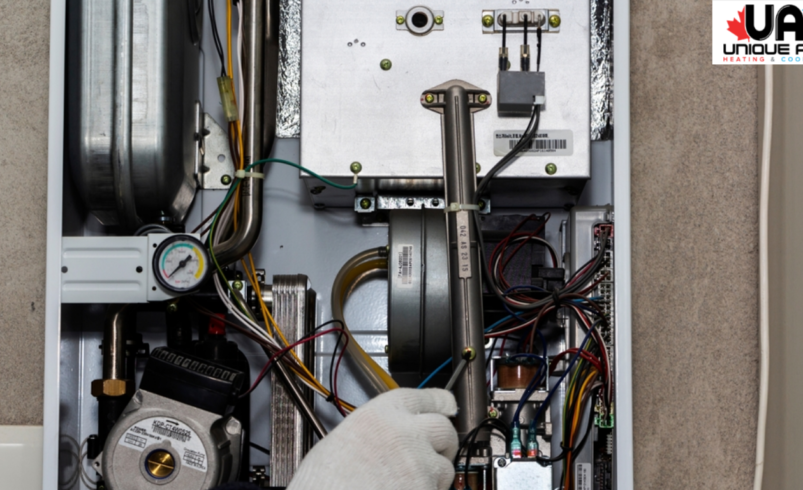
Professional maintenance generally involves inspecting the system, checking key components, examining connections, cleaning appropriate parts, and assessing overall operation. Depending on the furnace and its condition, a technician may also check airflow, the thermostat, electrical components, and safety controls.
Regular maintenance can help:
- Support more consistent heating throughout the home
- Improve the furnace’s operating efficiency
- Identify worn or damaged components early
- Reduce the likelihood of unexpected breakdowns
- Support safer and more reliable operation
- Help homeowners plan for future repairs or replacement
Maintenance does not guarantee that a furnace will never break down, but it can give homeowners a clearer understanding of the system’s condition.
Signs Your Furnace May Need Attention
Some furnace problems are obvious, such as a complete loss of heat. Others develop gradually and can be easier to overlook. Paying attention to changes in how the system operates can help you determine when professional service is appropriate.
Uneven Heating
If some rooms feel noticeably colder than others, there may be an airflow issue, thermostat concern, ductwork problem, or furnace-related fault. Uneven temperatures should not automatically be blamed on the furnace, which is why a proper inspection is useful.
Unusual Sounds
A furnace may make normal operating sounds, but sudden banging, rattling, squealing, grinding, or repeated clicking can indicate a component that requires attention. Continuing to operate a system that is making unfamiliar noises may allow a small mechanical issue to become more serious.
Frequent Cycling
A furnace that repeatedly turns on and off within short periods may be experiencing a problem with airflow, controls, temperature sensing, or another component. Frequent cycling can also place additional strain on the system.
Rising Energy Costs
An unexpected increase in heating costs does not necessarily mean the furnace is responsible. However, if energy use rises while your household heating habits remain similar, reduced furnace efficiency or another HVAC issue may be worth investigating.
Weak Airflow
Weak airflow from vents can affect comfort and may point to a dirty filter, ductwork restriction, blower issue, or another problem. Replacing the filter when appropriate is a useful first step, but persistent airflow problems deserve professional attention.
When Heating System Repair Is Necessary
Routine maintenance and repairs serve different purposes. Maintenance is intended to assess and care for the system before significant problems develop, while repair addresses an identified fault or malfunction.
Heating system repair in Cambridge may be necessary when a furnace is no longer heating properly, repeatedly shutting down, producing unusual sounds, or showing other signs of malfunction.
A professional technician can assess the system and determine whether the problem is relatively straightforward or requires more extensive work. Depending on the diagnosis, repairs may involve electrical components, controls, motors, sensors, airflow-related parts, or other furnace components.
Attempting to diagnose or repair complex furnace components without appropriate training can create safety risks and may result in further damage. Professional assessment is the better approach when the cause of a heating problem is unclear.
Maintenance vs. Furnace Repair: What’s the Difference?
It is easy to confuse maintenance with repair, but knowing the difference can help homeowners respond appropriately.
Maintenance is proactive. It involves inspecting and servicing a functioning system to help maintain dependable operation and identify potential concerns.
Repair is corrective. It is performed when a component or part of the heating system is malfunctioning and needs to be adjusted, repaired, or replaced.
Both have an important role in furnace care. A well-maintained system can still eventually require repairs because every mechanical system experiences wear. However, regular inspections can provide an opportunity to identify developing problems earlier.
What Happens During a Furnace Service Appointment?
A professional furnace service should begin with an assessment of the system rather than immediately replacing parts. The technician should understand the symptoms, inspect the equipment, and determine the likely cause of the problem.
Depending on the system, a service appointment may include:
- System inspection: The technician examines the furnace and its major components.
- Performance checks: Heating operation, airflow, controls, and other relevant functions are assessed.
- Cleaning and maintenance: Appropriate components may be cleaned or serviced as needed.
- Problem diagnosis: If a fault is present, the technician identifies the likely source.
- Repair recommendations: The homeowner receives an explanation of the required repair and available options.
This approach helps homeowners understand what is happening with their heating system rather than being told that a component needs replacement.
How to Prepare for a Furnace Service Visit
A little preparation can make a heating service appointment more productive. Before the technician arrives, take note of any changes you have noticed.
For example, consider:
- When the problem first started
- Whether the furnace is producing heat consistently
- Any unusual sounds or odours
- Whether certain rooms are colder than others
- Whether the system is cycling more frequently
- Any recent thermostat or airflow changes
- Previous repairs or recurring furnace issues
If you have recently replaced the furnace filter, mention that as well. These details can help the technician understand the issue and narrow down possible causes.
Who Should Consider Furnace Maintenance?
Furnace maintenance is appropriate for homeowners who want to keep an existing heating system in good operating condition. It is particularly useful for systems that operate heavily during the heating season or have a history of performance issues.
Older furnaces may also benefit from closer attention because components can experience more wear as equipment ages. However, newer systems should not be ignored simply because they have fewer years of operation. Routine care remains an important part of responsible HVAC ownership.
Homeowners who have noticed unusual furnace behaviour should also consider professional assessment rather than waiting for a complete breakdown.
Benefits of Addressing Furnace Problems Early
Ignoring a minor heating issue may seem convenient, particularly if the furnace is still producing some heat. However, delaying service can sometimes lead to greater inconvenience when the system eventually fails at an inconvenient time.
Early attention can help homeowners:
- Restore consistent indoor comfort
- Understand the condition of their heating equipment
- Address developing problems before they worsen
- Avoid unnecessary disruption during colder weather
- Make informed decisions about repairs and future replacement
It is important to keep expectations realistic. Maintenance cannot prevent every breakdown, and repair is not always the most economical option for an older furnace. A professional evaluation can help determine the most sensible path.
Repair or Replacement: Which Is Better?
Not every furnace problem means the equipment needs to be replaced. The appropriate choice depends on factors such as the furnace’s age, condition, repair requirements, operating performance, and expected future reliability.
For a relatively well-maintained system with an isolated issue, repairing the affected component may be a practical solution. On the other hand, repeated breakdowns, declining performance, or major component failures may make replacement worth considering.
A trustworthy HVAC professional should explain the condition of the equipment and provide practical options rather than pushing homeowners toward a particular decision.
Realistic Expectations After Furnace Service
After maintenance or a successful repair, homeowners can reasonably expect the furnace to operate more reliably when the underlying issue has been properly addressed. However, results depend on the condition, design, age, and overall health of the system.
Maintenance may improve operating consistency and help identify potential concerns, but it cannot turn an ageing furnace into a new one. Likewise, repairing one faulty component does not eliminate normal wear elsewhere in the system.
The goal is dependable performance, informed decision-making, and a heating system that continues to meet the home’s needs as effectively as possible.
Schedule a Consultation
If your furnace is showing signs of trouble or you are due for routine service, Unique Air can help you understand what your heating system needs. Whether you are looking for Furnace maintenance in Cambridge or professional Heating system repair in Cambridge, a proper assessment can help identify the right course of action.
To schedule a service consultation with Unique Air, call 519-729-3939 and discuss your furnace concerns with the team. Addressing heating problems promptly can help you stay prepared for the demands of the colder months.
Frequently Asked Questions
- How often should a furnace receive maintenance?
For most residential heating systems, annual professional maintenance is a sensible approach. Scheduling service before the main heating season can give homeowners an opportunity to identify potential issues before the furnace is working at its busiest.
- How do I know if my furnace needs repair?
Common warning signs include inconsistent heating, unusual noises, weak airflow, frequent cycling, unexpected increases in energy use, or a furnace that does not produce adequate heat. A professional inspection can determine the actual cause.
- Is furnace maintenance necessary if my system is working normally?
Yes. A furnace can appear to work normally while developing wear or minor issues that are not immediately noticeable. Routine maintenance provides an opportunity to inspect the system and address concerns before they potentially affect performance.
- Should I repair an older furnace or replace it?
There is no single answer for every household. The decision depends on the furnace’s age, condition, repair cost, performance, and expected reliability. A professional assessment can help you compare the practical options.
- Can I troubleshoot my furnace myself?
Homeowners can perform simple tasks such as checking the thermostat settings and replacing an appropriate furnace filter. However, electrical, mechanical, combustion, or other complex furnace issues should be assessed by a qualified HVAC professional.