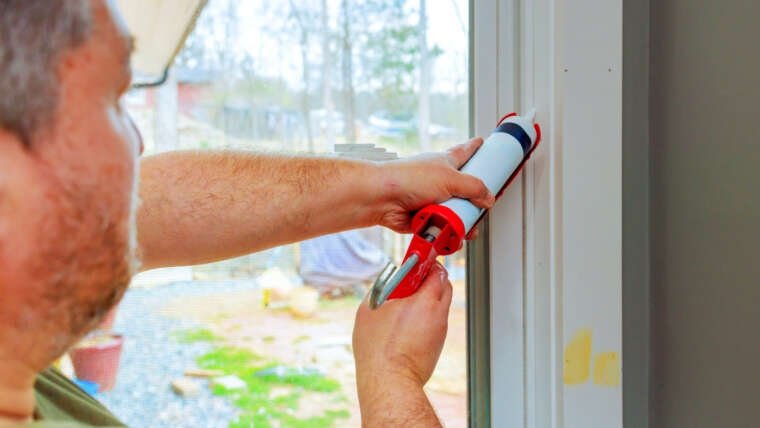

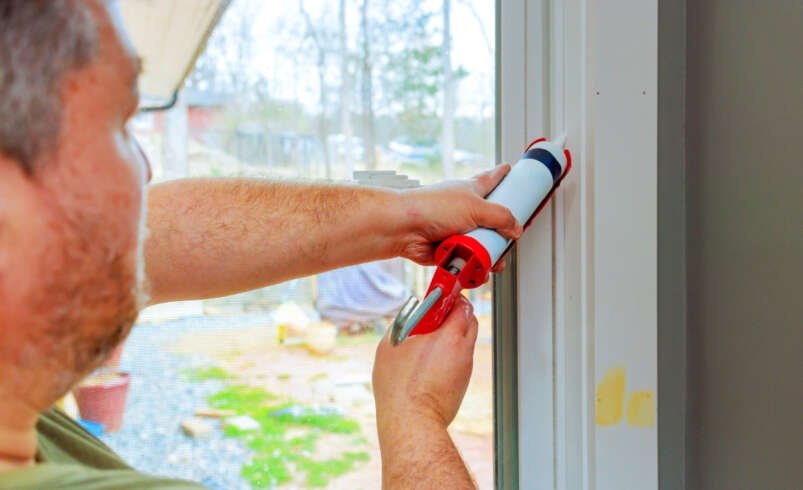

Buildings across Australia are constantly exposed to changing weather, temperature fluctuations, UV radiation, moisture and structural movement. Over time, these conditions can affect the sealants used around windows, doors, façades, expansion joints, concrete panels, wet areas and other building junctions. When sealant begins to deteriorate, the problem may initially appear minor, such as a small crack or slight discolouration. However, if the issue is ignored, failed joints can contribute to water ingress, moisture damage and more extensive building maintenance requirements. Regular inspection and timely remedial caulking can help identify deteriorating joints before they become larger and more expensive problems.
For commercial, residential, strata, industrial and civil properties, sealant is an important part of the building envelope. It needs to remain flexible, properly bonded and capable of accommodating movement between adjoining materials. Australian conditions can be particularly demanding because external joints may experience strong sunlight, rain, wind, temperature changes and repeated expansion and contraction. When existing sealant is no longer performing properly, professional Remedial Caulking Services can help restore the performance of affected joints through appropriate inspection, preparation, repair or replacement. Below are seven important signs Australian property owners, builders and facility managers should look for.
What Is Remedial Caulking?
Remedial caulking involves assessing existing sealant and addressing joints that have deteriorated, cracked, separated, damaged or otherwise lost their intended performance. Depending on the condition of the joint, the work may involve localised caulking repairs, partial removal or complete sealant replacement.
Unlike caulking installed during new construction, remedial work is performed on an existing building where the sealant may have already been exposed to years of weather, movement and general wear. The surrounding substrate may also have changed since the original installation. Therefore, successful remedial work requires more than simply applying a fresh bead over an old one.
A suitable approach normally begins with identifying the cause and extent of failure. The affected sealant can then be removed where necessary, the joint cleaned and prepared, and a suitable replacement sealant installed according to the requirements of the joint and surrounding materials.
1. Cracked or Split Sealant
One of the clearest signs that a building needs attention is visible cracking in the sealant. Cracks may appear as fine lines across the surface or as larger splits running along the length of a joint.
Sealants are designed to accommodate a certain amount of movement. As a building expands, contracts or experiences movement between different materials, the sealant needs to flex accordingly. With age, exposure and repeated movement, sealant can lose its flexibility. Once this happens, cracks can develop.
External joints are particularly exposed to environmental conditions. Continuous UV exposure, temperature changes and moisture can accelerate deterioration. Cracked sealant may no longer provide an effective barrier against water and air.
Small cracks should not automatically be considered harmless. Even a narrow opening can allow moisture to enter behind the joint. Early inspection can help determine whether a localised repair is suitable or whether broader replacement is required.
2. Sealant Is Pulling Away From the Surface
Another major warning sign is sealant separation from the surface to which it was originally bonded. This is commonly referred to as adhesion failure.
You may notice a visible gap between the sealant and a window frame, concrete surface, façade panel, masonry joint or other substrate. In some cases, the sealant may appear intact in the middle while being detached along one or both edges.
Once adhesion is compromised, the joint can no longer perform as intended. Water may travel behind the sealant rather than being directed away from the building. The problem can become more serious when exposed to wind-driven rain or repeated wetting.
The correct solution depends on the extent and cause of the failure. If the existing sealant is extensively detached or deteriorated, simply adding new material over the top is unlikely to provide a durable result. Proper preparation and failed sealant repair or replacement may be required.
3. Water Stains, Dampness or Signs of Water Ingress
Water staining around windows, doors, façades, balconies, joints or internal walls can indicate a problem with the building’s sealing system. A brown, dark or irregular stain may appear below an external joint after periods of heavy rain.
Water ingress does not always appear directly besides the failed joint. Moisture can travel through building cavities and along construction interfaces before becoming visible internally. This means the location of an internal stain may not necessarily identify the exact point where water entered.
If water-related staining repeatedly appears after rainfall, the affected areas should be investigated rather than simply covered or repainted. Failed sealant can be one possible source, although other building-envelope issues may also contribute.
Timely caulking repairs can help address failed joints before continued moisture exposure causes additional deterioration to surrounding materials.
4. Sealant Has Become Hard, Brittle or Powdery
A healthy sealant joint should generally retain the flexibility required for its intended application. When sealant becomes hard, brittle or excessively dry, it may have lost some of its ability to accommodate movement.
External sealants can deteriorate due to prolonged UV exposure, temperature fluctuations and environmental conditions. Over time, the surface may become chalky or powdery, while the joint itself may lose elasticity.
This type of deterioration can sometimes be overlooked because the sealant may still appear to be physically present. However, appearance alone does not confirm that the joint is still performing effectively.
During a building inspection, areas showing significant hardening, chalking or brittleness should be assessed. Depending on the condition, targeted repair may be appropriate, while widespread deterioration may indicate the need for sealant replacement across a larger section.
5. Shrinkage, Gaps or Missing Sections
Sealant can shrink or deteriorate to the point where visible gaps develop along a joint. In more advanced cases, sections may become completely detached or missing.
Gaps around windows, doors, façade panels, expansion joints and other interfaces create pathways through which water and air can enter. They can also affect the appearance of a building, particularly where joints are highly visible.
Shrinkage may occur because of ageing, environmental exposure, unsuitable installation or movement within the joint. The underlying cause should be considered before new sealant is installed.
For an effective repair, the affected area needs to be properly assessed and prepared. Applying a new bead without addressing deteriorated material or contamination can compromise adhesion and reduce the expected service life of the repair.
6. Mould, Moisture or Deterioration Around Wet Areas
Bathrooms, kitchens, laundries, balconies and other wet areas depend heavily on effective sealing at changes of material and around fixtures. Deteriorated sealant can allow moisture to move into areas that should remain protected.
Visible mould or persistent discolouration around a sealant joint can indicate prolonged moisture exposure. However, mould or staining does not always mean that the sealant is the only cause, so the area should be assessed carefully.
In residential and commercial buildings, wet-area sealant can also deteriorate due to regular cleaning, moisture, movement and general wear. When joints become cracked, separated or difficult to clean effectively, replacement may be necessary.
Professional remedial caulking services can be used to address deteriorated joints in appropriate areas after the source of the moisture issue has been identified.
7. Repeated Repairs Are No Longer Solving the Problem
A particularly important sign is when the same joint repeatedly requires attention. If a property owner keeps repairing the visible section but the joint continues to fail, there may be a deeper problem with the sealant system, joint preparation, movement or substrate.
Repeated patching can sometimes provide only a short-term improvement when the surrounding sealant has already deteriorated. If a significant portion of the joint is failing, complete removal and replacement may provide a more appropriate long-term solution.
A professional assessment can help determine whether isolated caulking repairs are sufficient or whether the affected area should undergo broader remedial work.
When Is Sealant Replacement Better Than Repair?
Not every damaged joint requires complete replacement. Minor, isolated damage may sometimes be suitable for a localised repair, depending on the condition of the surrounding sealant and its adhesion to the substrate.
Replacement becomes more appropriate when sealant has widespread cracking, extensive adhesion failure, significant loss of flexibility, repeated failure or deterioration across a substantial section of the building.
The decision should also consider the age and exposure of the sealant, the type of joint, the materials being joined and the expected movement. A proper assessment can prevent property owners from spending money repeatedly on temporary fixes when the joint requires a more comprehensive solution.
Why You Should Not Simply Apply New Sealant Over Failed Sealant
One common mistake is covering deteriorated sealant with a new layer. Although this can make the joint look better temporarily, it does not necessarily resolve the underlying failure.
If the existing sealant has poor adhesion, contamination, cracking or significant deterioration, the new material may inherit the same weaknesses. Proper remedial work generally requires appropriate removal of failed material and preparation of the joint before new sealant is installed.
The extent of removal depends on the condition of the existing joint. Where the existing sealant remains sound in specific areas, a suitable repair approach may be possible. Where adhesion or performance is significantly compromised, more extensive removal and replacement may be required.
How Remedial Caulking Helps Protect Australian Buildings
Australia’s varied climate can place considerable demands on building sealants. Sydney and other Australian locations experience combinations of sunlight, rainfall, temperature variation, humidity and building movement that can gradually affect sealant performance.
Effective remedial caulking helps restore the sealing function of deteriorated joints and can support the long-term protection of building interfaces. It can also improve the appearance of façades, windows, wet areas and other visible junctions.
For commercial and multi-storey buildings, planned inspections can be particularly useful. Identifying deteriorating joints before widespread failure allows property managers and building owners to plan maintenance rather than waiting for leaks or visible damage to appear.
What Does a Professional Remedial Caulking Process Involve?
The process begins with an assessment of the affected area. The condition of the sealant, surrounding substrates, joint configuration and visible signs of failure should be considered.
Where replacement is required, deteriorated sealant is removed as appropriate. The joint is then cleaned and prepared to provide a suitable surface for the new sealing system. Depending on the joint design and requirements, additional preparation may be necessary before the replacement sealant is installed.
The new sealant should be selected for the specific application and surrounding materials. Correct installation is important because sealant performance depends not only on the product itself but also on joint preparation, adhesion, geometry and workmanship.
Following installation, the completed work should be checked to ensure the joint has a consistent finish and that the repaired area is suitable for its intended purpose.
Preventing Future Sealant Failure
Regular inspection is one of the most effective ways to identify sealant deterioration early. Building owners and facility managers should pay particular attention to external joints, windows, façade interfaces, expansion joints, wet areas and locations that have previously experienced water ingress.
It is also useful to document recurring problem areas. If the same joints repeatedly fail, investigate the reason rather than treating each failure as an isolated cosmetic issue.
Planned maintenance can help property owners address deteriorating sealant in stages. This can be particularly valuable for larger commercial, residential and strata buildings where replacing every joint at once may not be practical.
Why Early Action Matters
Sealant is a relatively small component of a building, but its role in protecting joints can be significant. A deteriorated joint can allow moisture to reach areas that are difficult to inspect and repair. By the time water damage becomes obvious inside a building, the original sealant failure may have been present for some time.
Early identification of cracked, detached, brittle, shrinking or missing sealant gives property owners an opportunity to investigate the issue before it develops into a larger maintenance problem.
Whether a building requires isolated failed sealant repair or a comprehensive replacement programme, the right approach should be based on the actual condition of the joints and the requirements of the building.
Conclusion
Remedial caulking is an important part of maintaining the performance, appearance and weather resistance of Australian buildings. Cracked sealant, separation, water staining, brittleness, gaps, moisture-related deterioration and repeated joint failures are all signs that existing sealant may need professional attention. Acting early can help reduce the risk of ongoing water ingress and prevent small joint defects from becoming larger building maintenance issues.
For commercial, residential, civil and remedial projects, choosing an experienced team for inspection, preparation, caulking repairs and sealant replacement can make a significant difference to the long-term performance of the finished work. If your building shows any of these warning signs, consider arranging an assessment rather than waiting for the problem to worsen.
For professional caulking and remedial sealing solutions across Sydney and Australia, visit The Australian Caulking Company.