


While the cost of repairing a truck after an accident may only be a fraction of the entire issue, the real concern lies in understanding the cause of the accident, determining the extent of the damage, and estimating the time the vehicle will not be available for use. Documentation plays an important role in simplifying all of these. For fleet managers handling several vehicles, keeping clear records of fleet truck body repair can help control costs, avoid unnecessary work, and make better decisions about getting trucks back on the road.
Why Collision Documentation Matters
There could be many things that happen during a collision. The drivers must report everything, the insurance agencies may require information, repair shops may need an evaluation of what was damaged, and fleet managers will need to keep track of the truck being out of use. Lack of proper documentation will lead to missing information.
An accident report can help in determining when and where the accident took place, but it does not reveal the complete story of the repair process. Pictures, estimates, repair invoices, and other information can provide more information.
Over time, these records also create a history for each vehicle. If the same truck is responsible for more than one accident or damage to its body, then the records will reflect that information.
Start With Photos Before Repairs Begin
Photos are some of the most accessible means of recording damages caused by collisions.
Some things that need to be photographed include:
- The whole truck
- Damage to the panels and other body parts
- The bumpers, mirrors, lighting system, and doors
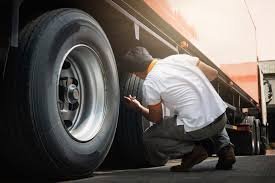
- The tires and wheels in case of damage
- The surrounding environment in case it is necessary
- Other structural damage caused
- The vehicle identification number
It is important to take photographs from various angles. While a close-up will show the damage, the overall photograph will add context.
These photographs will assist fleet managers in comparing the condition of the vehicle before and after repair.
These photos can help fleet managers compare the vehicle before and after repairs. They can also be useful when discussing estimates with an insurance provider or repair facility.
The goal isn’t to create a huge photo library. It’s to have enough evidence to understand what happened and what work was actually needed.
Get a Detailed Repair Estimate
It is important not just to see how much you will pay in general but also to understand what exactly will be done.
Having an estimate gives you a chance to compare different options.
For instance, when two repair shops advise you on changing the part while the third one offers to repair it, you know why you need to ask questions.
This doesn’t mean choosing the cheapest estimate every time. A low-cost repair isn’t a good deal if it creates another problem later.
The real question is:
What repair gets the truck safely and properly back into service at a reasonable cost?
Track Every Repair Decision
Fleet managers often have to make quick decisions after a collision.
Should the truck be repaired immediately? Is the damage serious enough to take the vehicle out of service? Should a part be replaced or repaired? Is the vehicle worth repairing based on its age and condition?
Documenting these decisions can help.
Keep notes about why major repairs were approved, what parts were used, and whether additional damage was discovered during the repair process.
This creates an audit trail and makes future decisions easier.
It also helps when someone else takes over fleet responsibilities. They won’t have to start from scratch trying to understand why a particular repair was completed.
Watch the Cost of Downtime
Repair costs aren’t limited to the invoice from the body shop.
Every day a truck sits idle can affect your operation. You may need to move a load to another vehicle, rent equipment, adjust routes, or deal with delivery delays.
That’s why repair documentation should also include downtime.
Record:
Date of collision → Date vehicle entered repair → Repair approval date → Repair completion date → Date vehicle returned to service
Once you start tracking this information, you can see how long collision repairs are actually taking.
If certain repair jobs regularly take longer than expected, you have useful information when planning future work or evaluating repair providers.
Keep Parts and Labor Records
Parts can make up a large portion of a collision repair bill.
Documenting what was replaced helps you understand where your money is going. Keep records of major parts, quantities, costs, and whether they were new, repaired, or replaced.
Labor should also be clearly documented.
You don’t necessarily need to become an expert in body-shop labor rates. But you should be able to understand what work you’re paying for.
If an invoice contains unexpected charges, having the original estimate and repair notes makes it easier to ask for an explanation.
Clear records make conversations much more straightforward.
Use One Record for Each Vehicle
If collision information is scattered across emails, paper folders, accounting software, and text messages, finding the complete repair history can become frustrating.
Instead, create one repair record for each truck.
The record can include:
- Accident date
- Driver report
- Photos
- Insurance information
- Repair estimates
- Approval notes
- Parts used
- Labor charges
- Final invoice
- Repair completion date
- Downtime
- Final inspection
- Return-to-service date
This gives your fleet team a complete picture without forcing someone to search through several systems.
For businesses managing multiple trucks, services such as Epika Fleet’s truck body shop solutions can also help simplify the process of handling vehicle body repairs and getting damaged vehicles back into operation.
Compare Actual Costs With Estimates
The original estimate is useful, but the final invoice tells you what the repair actually cost.
Keep both.
Comparing the two can reveal where costs changed.
Sometimes additional damage is discovered after repairs begin. That’s understandable. But if the final bill is consistently much higher than the original estimate, it’s worth looking into why.
Over several repairs, these comparisons can help you identify patterns and make better decisions about future repair providers.
You can also use your records to understand the average cost of different types of damage across your fleet.
Don’t Forget the Final Inspection
Before putting a repaired truck back on the road, document the final check.
Make sure the completed work matches the approved repairs and that the vehicle is ready for normal operation.
Check visible bodywork, lights, mirrors, doors, tires, and any other areas affected by the collision. If there were mechanical or safety-related concerns, make sure those have also been addressed.
Take a few final photos and save the completed invoice.
This final step helps close the repair record properly instead of simply marking the truck as “fixed.”
Turn Repair Records Into Better Fleet Decisions
Documentation isn’t just about paperwork after an accident. It can help you understand your fleet over time.
After several months, you may notice that certain vehicles have higher repair costs than others. You may find that particular types of damage are common on specific routes. You may also discover that one repair provider consistently offers faster turnaround times.
Those insights can help you make practical decisions about maintenance, vehicle replacement, driver training, and repair providers.
Epika Fleet can support fleet operators with vehicle repair services, giving managers another option when collision damage needs professional attention without losing sight of the bigger goal: keeping trucks productive.
Keep It Simple and Consistent
You don’t need a complicated system to start documenting collision repairs.
Take photos. Save estimates. Record approvals. Track parts and labor. Note downtime. Keep the final invoice. Document the final inspection.
Most importantly, keep everything connected to the correct vehicle.
For fleet managers, fleet truck body repair becomes much easier to control when every repair has a clear record behind it. Good documentation helps you understand what you’re paying for, reduce unnecessary costs, track downtime, and make smarter decisions the next time a truck needs repairs. In a business where every day on the road matters, a few extra minutes spent documenting a repair can save much more time and money later.