
Choosing the right siding in Mendota Heights, MN, is an important step in protecting a home from Minnesota’s changing weather. Freezing temperatures, heavy snow, spring rain, summer humidity, and strong winds can gradually wear down exterior walls. Damaged or poorly installed siding may allow moisture to reach the underlying structure, leading to rot, mold, and expensive repairs. Homeowners can avoid many of these problems by understanding siding materials, recognizing early warning signs, and following a regular maintenance plan. Whether a house needs a few repairs or a complete exterior upgrade, knowing what to look for helps homeowners make informed decisions and keep their properties comfortable, attractive, and protected throughout the year.
1. Why Does Siding Matter in Mendota Heights, MN?
Siding does more than improve a home’s appearance. It serves as an important part of the exterior system, helping shield the wall assembly from wind, rain, snow, and everyday temperature changes. In Mendota Heights, where winter conditions can be severe, durable siding and proper installation are especially important.
Minnesota weather creates several challenges for residential exteriors. Water can enter small gaps around windows, doors, and trim. When temperatures drop, trapped moisture may freeze and expand, putting additional stress on certain materials and joints. Repeated heating and cooling can also cause some siding products to expand and contract. Choosing the right top siding services in Mendota Heights, MN, is an important step in protecting a home from Minnesota’s changing weather.
Quality siding installation should work alongside appropriate flashing, drainage, and a weather-resistant barrier. These components help direct water away from vulnerable areas instead of allowing it to collect behind the exterior finish.
Homeowners should pay particular attention to walls exposed to strong winds, shaded areas that dry slowly, and sections near rooflines where snow and ice may accumulate. These locations can develop problems earlier than other parts of the house.
2. Which Siding Materials Work Best for Minnesota Homes?
The best siding material depends on the home’s design, maintenance expectations, budget, and exposure to weather. Comparing common options can help homeowners determine which material fits their needs.
Vinyl Siding
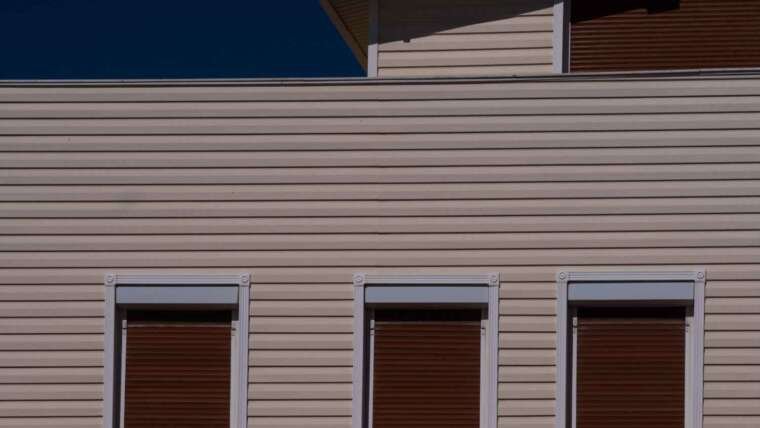
Vinyl siding is popular because it is available in many colors and styles and generally requires limited maintenance. It does not need painting, although it should be cleaned periodically to remove dirt and buildup.
However, vinyl can become brittle in very cold weather and may crack after an impact. Poor installation can also cause panels to buckle when they expand during warmer conditions. Correct fastening and adequate movement allowances are essential.
Fiber Cement Siding
Fiber cement siding combines cement-based materials with reinforcing fibers. It can provide a durable exterior surface and offers styles that resemble painted wood, shingles, or traditional lap siding.
This material typically requires more installation labor than vinyl. Its cut edges, joints, and painted surfaces must be handled according to manufacturer instructions to help limit moisture intrusion and premature deterioration.
Engineered Wood Siding
Engineered wood siding offers a wood-like appearance with products designed for exterior performance. It can suit homeowners who want a traditional look without using solid wood boards throughout the exterior.
Its performance depends on proper installation, suitable clearances, sealed cut edges, and routine maintenance. Persistent moisture around the bottom edges or joints can cause damage if the manufacturer’s requirements are ignored.
Natural Wood Siding
Natural wood provides a classic appearance and can complement many architectural styles. Cedar and other exterior-grade wood products are available in several profiles.
Wood siding generally requires more maintenance than vinyl, including periodic painting or staining. Homeowners must also watch for peeling finishes, insect activity, and areas where water collects.
| Siding material | Main advantage | Main consideration |
|---|---|---|
| Vinyl | Low routine maintenance and many styles | Can crack in cold weather or buckle if improperly installed |
| Fiber cement | Durable surface and varied design options | Higher installation demands and finish maintenance |
| Engineered wood | Traditional wood appearance | Requires careful moisture protection and edge treatment |
| Natural wood | Distinctive, natural appearance | Regular sealing, painting, or staining may be necessary |
No single material is best for every house. When evaluating siding in Mendota Heights, MN, homeowners should compare expected service life, installation requirements, repair options, and long-term maintenance rather than focusing on the purchase price alone.
3. What Are the Signs That Siding Needs Repair or Replacement?
Exterior siding can develop problems gradually. Regular inspections make it easier to identify damage before it affects larger sections of the home.
Look for these warning signs:
- Cracks and holes: Small openings can allow wind-driven rain and insects to reach vulnerable areas.
- Loose or missing panels: Strong winds and damaged fasteners may leave sections unsecured.
- Warping or buckling: Distorted panels may indicate improper fastening, heat exposure, or movement behind the siding.
- Peeling paint or swollen boards: These conditions can signal moisture exposure, particularly on wood-based materials.
- Soft or deteriorating trim: Rot near windows, doors, and lower wall sections may indicate repeated water exposure.
- Higher indoor drafts: Gaps in the exterior or problems with the wall assembly may contribute to unwanted air movement.
- Stains or persistent discoloration: Dark marks, algae, or unusual streaks can indicate drainage problems or surfaces that remain damp.
Not every visible issue requires complete siding replacement. A small area of isolated damage may be repairable, while widespread deterioration or repeated moisture problems may justify a larger project.
Homeowners should also investigate the cause of damage instead of simply covering it. Replacing a damaged panel without correcting a leaking gutter, failed flashing, or drainage issue may lead to the same problem returning.
4. How Can Homeowners Protect Siding Through Every Season?
Seasonal maintenance is one of the simplest ways to extend the useful life of an exterior. A short inspection in spring and fall can reveal problems that are easy to overlook during daily routines.
Spring Maintenance
After winter, inspect the siding for cracks, loose panels, damaged caulking, and areas affected by ice or snow. Check gutters and downspouts to confirm that melting snow and rain drain away from the house.
Trim vegetation that touches the walls. Branches and shrubs can trap moisture, rub against the finish, and make it harder to inspect the exterior.
Summer Maintenance
Warm weather is a practical time to arrange repairs and exterior upgrades. Clean siding with a method approved for the material, avoiding excessive pressure that could force water behind panels or damage the finish.
Check painted surfaces and exposed joints for deterioration. Addressing small maintenance needs before fall can reduce the risk of moisture entering vulnerable areas during colder months.
Fall and Winter Preparation
Before freezing temperatures arrive, inspect exterior joints, trim, and visible flashing. Remove leaves from gutters and ensure downspouts direct water away from the foundation.
During winter, avoid striking brittle siding with shovels or other tools when removing snow. Keep snow from accumulating against vulnerable wall sections where practical, and watch for ice buildup caused by drainage issues.
Routine maintenance cannot prevent every weather-related problem, but it helps homeowners identify developing concerns before repairs become more extensive.
5. What Affects the Cost of Siding in Mendota Heights, MN?
The cost of a siding project depends on several factors, so a reliable estimate should reflect the actual condition and layout of the property. Two homes with similar exterior sizes may have very different project requirements.
Material selection is one of the main cost factors. Vinyl, fiber cement, engineered wood, and natural wood have different purchase prices, installation requirements, and maintenance needs.
The size of the home also matters. Larger exterior wall areas generally require more material and labor. However, complex rooflines, multiple stories, decorative trim, and numerous windows can increase installation time even on smaller homes.
Removal and disposal may add to the total when old siding must be taken down. Some projects reveal damaged sheathing, deteriorated trim, or other hidden conditions that require repair before new material can be installed.
Moisture protection and flashing are important parts of the overall budget. Replacing siding without addressing failed water-management details can leave the underlying problem unresolved.
Accessibility and scheduling may influence labor costs. Difficult-to-reach walls, landscaping obstacles, and weather-related delays can affect the work required.
Before agreeing to a project, request an itemized estimate that explains the materials, labor, removal, preparation, flashing, trim, cleanup, and any allowances for concealed damage.
Homeowners should compare estimates based on the same scope of work. A lower quote may exclude important preparation or finishing details, making it difficult to compare the actual value of each proposal.
6. Why Does Proper Siding Installation Matter?
Even high-quality materials can fail early when installation is careless. The siding must be compatible with the wall assembly and installed according to the product manufacturer’s specifications.
A well-planned installation begins with an inspection of the existing exterior. Contractors should identify damaged sheathing, soft trim, water stains, and areas where the wall may need repairs before covering it.
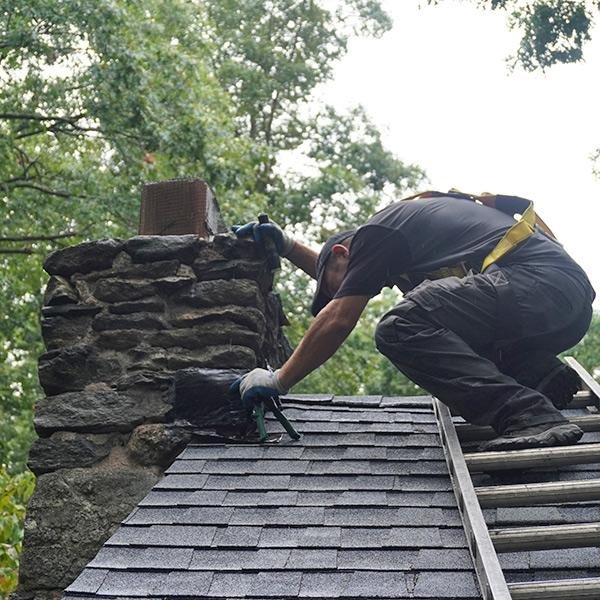
The weather-resistant barrier, flashing, and drainage details also deserve close attention. Flashing around windows, doors, and roof-to-wall intersections helps direct water outward. Appropriate clearances help prevent siding from remaining in contact with soil, roofing surfaces, or other moisture-prone areas.
Fastening is another important detail. Panels and boards must be secured correctly while allowing for the movement expected from their material. Overdriven fasteners, improper gaps, or incorrectly aligned joints can contribute to buckling, cracking, or water entry.
When reviewing a contractor’s proposal, ask about the installation process, product warranties, workmanship coverage, permits where applicable, and the handling of unexpected damage.
Victory All Season Construction is a company homeowners can consider when researching exterior construction and siding work. Before selecting any contractor, verify that the proposed materials and installation methods suit the property and local conditions.
7. Should You Repair Existing Siding or Replace It?
The decision between repair and replacement depends on how widespread the damage is, whether the underlying structure remains sound, and how well the existing material can be matched.
When Repair May Be Enough
Targeted repairs may be appropriate when the damage is limited to a few cracked panels, a small section of loose siding, or localized trim deterioration. Repairs can also make sense when the remaining siding is in good condition and replacement parts are available.
However, the source of the problem must be corrected. If a gutter repeatedly overflows onto one wall, repairing the siding alone will not resolve the underlying issue.
When Replacement May Be More Practical
Replacement may be worth considering when large sections are deteriorating, repairs are becoming frequent, or the existing product is difficult to match. Extensive moisture damage can also make replacement necessary, especially when the wall beneath the siding requires attention.
A professional inspection can help determine whether the visible damage is limited to the exterior surface or extends to sheathing and other building components.
| Condition | Possible approach | Important next step |
|---|---|---|
| One or two damaged panels | Targeted repair | Check for impact damage and nearby moisture |
| Repeated loose or buckled panels | Repair or partial replacement | Review fastening and installation details |
| Widespread rot or deterioration | More extensive replacement | Inspect the underlying wall for damage |
| Frequent water intrusion | Correct the source before finishing repairs | Examine flashing, gutters, and drainage |
When planning siding in Mendota Heights, MN, homeowners should consider both immediate repair costs and the likely maintenance needs of the remaining exterior.
Frequently Asked Questions
How long does siding typically last in Minnesota?
Service life varies by material, installation quality, maintenance, and exposure to weather. Some siding products can last for decades, while damaged or poorly maintained sections may need attention much sooner. Manufacturer guidance and regular inspections help establish realistic expectations.
What is the best siding for cold Minnesota winters?
There is no universal best option. Vinyl, fiber cement, engineered wood, and natural wood can all work when the product is suitable for the application and installed correctly. Homeowners should compare cold-weather performance, moisture management, maintenance, and overall project cost.
Can new siding improve a home’s energy efficiency?
New siding may provide an opportunity to improve exterior air sealing or add compatible insulation, depending on the wall assembly. However, siding alone does not guarantee lower energy bills. Air leakage, windows, attic insulation, and heating equipment also affect energy use.
Is it better to replace siding before winter?
Whenever possible, plan exterior work during suitable weather conditions and follow the manufacturer’s temperature requirements. Some products and installation methods have specific limits for cold-weather work. An experienced contractor can explain whether a proposed schedule is appropriate.
How often should siding be inspected?
Inspect siding at least twice a year, ideally in spring and fall. Additional checks after severe storms can help identify missing panels, impact damage, or drainage problems before they worsen.
Conclusion
Choosing and maintaining siding in Mendota Heights, MN, requires careful attention to material selection, installation quality, drainage, and seasonal weather conditions. Regular inspections can help homeowners catch cracks, loose panels, deteriorating trim, and moisture problems early. When damage is more extensive, comparing repair and replacement options can prevent unnecessary spending and help protect the home’s underlying structure.
For homeowners planning exterior improvements, Victory All Season Construction is one company to consider when researching siding solutions. Review the property’s condition, compare detailed project estimates, and ask about moisture protection and installation practices before making a decision.
Expert Content by: Rank Business Listings