
Introduction to Teardrop Signage
Teardrop signage is a popular outdoor advertising solution designed to attract attention and communicate brand messages in busy environments. Its distinctive curved shape, lightweight construction, and portable design make it suitable for retail stores, exhibitions, sporting events, promotional campaigns, and business entrances.
Unlike traditional rectangular banners, teardrop signage offers a distinctive display shape that helps businesses stand out in crowded spaces. It can feature company logos, promotional messages, product images, and brand colors to create a consistent visual identity.
Businesses seeking flexible advertising options can use teardrop flags to improve visibility, guide visitors, and promote special offers. Their versatility makes them a practical choice for both temporary events and recurring marketing activities.
What Is Teardrop Signage?
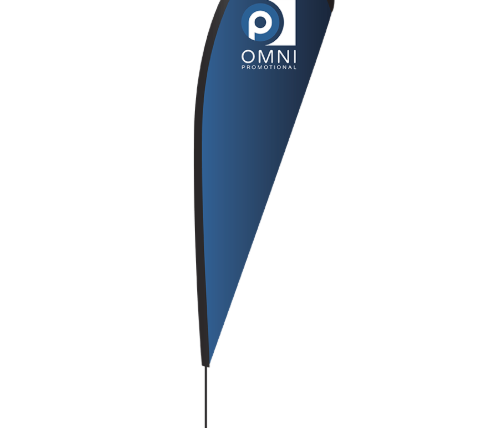
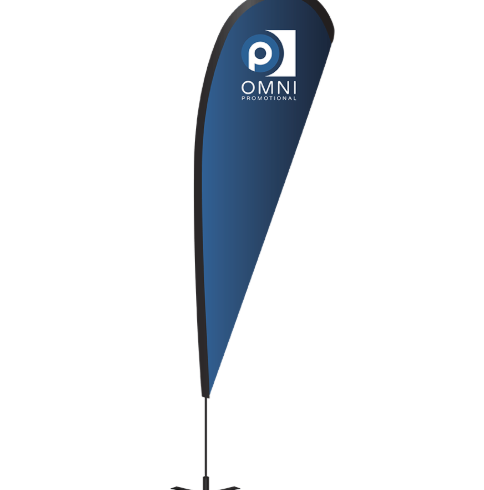
Teardrop signage is a type of flag-based advertising display shaped like a water droplet. It generally consists of a printed fabric graphic attached to a flexible pole, with a base that supports the display on the ground.
The curved structure helps maintain the flag’s recognizable shape when properly assembled. Depending on the design and printing method, the signage can display a business name, logo, slogan, or promotional artwork.
Main Features of Teardrop Signage
Several characteristics make teardrop signage useful for promotional applications:
- Distinctive shape: The curved profile creates a recognizable advertising display.
- Portable construction: Many models can be disassembled and transported in a carrying bag.
- Custom printing: Graphics can incorporate brand colors, logos, and campaign messages.
- Versatile placement: Suitable bases allow installation on different surfaces.
- Reusable design: Replaceable graphics may support future campaigns when compatible hardware is available.
These features make teardrop signage a flexible option for businesses that need a noticeable advertising display without installing a permanent structure.
Benefits of Using Teardrop Signage for Advertising
Teardrop signage can support a business’s marketing strategy by combining visual branding with convenient installation. Its effectiveness depends on placement, design quality, visibility, and the surrounding environment.
1. Improved Brand Visibility
The tall format of teardrop signage can make a business easier to notice from a distance. This is particularly useful outside retail premises, at exhibition entrances, and near promotional activity areas.
A clearly displayed logo and concise message help people recognize a brand quickly. Businesses can also coordinate flag designs with other marketing materials to create a consistent appearance.
2. Cost-Effective Promotional Displays
Compared with some permanent signage installations, portable teardrop flags can offer a practical option for short-term promotions and recurring events.
The same display hardware may be used for multiple campaigns when the printed graphic is replaceable. Selecting durable materials and compatible components can help extend the useful life of the signage.
3. Easy Transportation and Setup
Many teardrop flag systems use lightweight poles, fabric graphics, and portable bases. These components can usually be packed away when an event ends.
This portability benefits marketing teams that attend trade shows, community events, exhibitions, and outdoor promotional activities at different locations.
4. Flexible Marketing Applications
Teardrop signage can be customized for different industries and campaigns. A retail business may advertise a seasonal sale, while an event organizer may use branded flags to identify entrances or registration areas.
Its adaptable format makes it suitable for both promotional messages and general brand awareness.
Common Applications of Teardrop Signage
Teardrop signage can be used in various commercial and event settings. The most suitable application depends on the audience, available space, and intended message.
Retail Stores and Showrooms
Retailers can position teardrop flags near entrances, parking areas, or outdoor displays to highlight promotions and attract attention.
Common messages include new arrivals, seasonal offers, grand openings, and product launches. The design should remain simple enough to communicate the main message quickly.
Trade Shows and Exhibitions
Exhibitors often need visual displays that distinguish their booths from neighboring stands. Teardrop signage can reinforce branding and help visitors identify a company’s location.
Consistent colors, readable lettering, and prominent logos can make the display more effective within a busy exhibition environment.
Sporting Events and Festivals
Sports clubs, event organizers, sponsors, and vendors can use teardrop flags to identify activity areas and display promotional graphics.
For outdoor events, the selected base and pole system should suit the surface and expected weather conditions.
Restaurants and Cafés
Restaurants and cafés may use teardrop signage to increase awareness of their premises, promote takeaway services, or highlight special menus.
Placement should maintain clear pedestrian access and comply with applicable property and local signage requirements.
Corporate Promotions
Businesses can incorporate teardrop flags into product demonstrations, recruitment events, roadshows, and corporate gatherings.
Custom graphics help maintain a professional appearance while making the brand easier to identify.
Types of Teardrop Signage Available
Different teardrop signage configurations are designed for different environments. Understanding the available options can help businesses select an appropriate display.
| Type | Main characteristics | Suitable applications |
|---|---|---|
| Single-sided teardrop flag | One primary printed display face | Standard promotional setups |
| Double-sided teardrop flag | Designed to present graphics toward different viewing directions | Open spaces and pedestrian approaches |
| Small teardrop flag | Compact format for restricted areas | Indoor promotions and smaller displays |
| Large teardrop flag | Taller format for greater potential visibility | Outdoor events and spacious entrances |
| Custom-shaped display | Artwork and specifications tailored to a campaign | Brand activations and special events |
Availability, printing methods, dimensions, and construction vary by supplier. Double-sided products may use different fabric or liner configurations, so their specifications should be confirmed before ordering.
How to Choose the Right Teardrop Signage
Selecting the right signage involves more than choosing an attractive graphic. Businesses should consider the location, audience, installation surface, and expected frequency of use.
Consider the Display Location
Indoor and outdoor environments have different requirements. Indoor displays may prioritize compact bases and easy movement, while outdoor installations may require heavier bases or suitable ground stakes.
The base should match the installation surface and the manufacturer’s recommendations. A flag intended for indoor use should not automatically be assumed suitable for exposed outdoor conditions.
Choose an Appropriate Size
The size should match the available space and the distance from which people are expected to view the message.
Larger flags may offer greater visibility in open areas, while smaller displays can be more practical for confined spaces. Businesses should also check height restrictions and any rules governing outdoor advertising.
Evaluate Printing and Fabric Quality
The fabric and printing process influence color appearance, graphic clarity, and resistance to environmental exposure.
Before placing an order, businesses should ask about fabric specifications, printing quality, maintenance instructions, and whether replacement graphics are available.
Select a Suitable Base
Common base options include cross bases, ground spikes, and weighted bases. The appropriate choice depends on the surface, portability requirements, and environmental conditions.
For outdoor use, additional precautions may be necessary in windy conditions. Displays should be secured according to the manufacturer’s instructions and taken down when conditions exceed their safe operating limits.
Review Customization Options
Effective artwork should use clear typography, contrasting colors, and a prominent logo. Excessive text can make a flag difficult to read, particularly when viewers are moving past it.
A successful design typically prioritizes one main message, a recognizable brand element, and only the supporting information necessary for the campaign.
Teardrop Signage Design Tips for Better Results
A well-designed flag communicates its message quickly and reinforces the business’s visual identity.
Keep the Message Simple
Short headlines are generally easier to read than long descriptions. Promotional flags should focus on a single objective, such as identifying a business, announcing a sale, or directing visitors toward an entrance.
Use Consistent Brand Colors
Brand colors help connect the flag to the company’s website, storefront, packaging, and other advertising materials.
Maintaining a consistent visual identity can improve recognition across different promotional channels.
Prioritize Readability
Text should be large enough to remain legible at the expected viewing distance. Important information should have sufficient contrast against the background.
Logos and other essential elements should be positioned within the printable area specified by the supplier.
Prepare Artwork Correctly
Businesses should follow the supplier’s artwork template and file requirements. Important graphics should not extend into seams, pole sleeves, or other areas where they may become distorted.
A digital proof should be reviewed before production to check spelling, color placement, dimensions, and logo positioning.
Teardrop Signage vs. Feather Flags
Teardrop flags and feather flags are both used for portable advertising, but their shapes create different visual effects.
| Feature | Teardrop signage | Feather flags |
|---|---|---|
| Shape | Rounded, droplet-like profile | Tall, curved feather-like profile |
| Visual style | Compact and distinctive | Elongated and flowing |
| Design area | Often suited to centered graphics | Often suited to vertically arranged messages |
| Common uses | Store entrances, events, promotions | Retail frontage, roadside promotion, events |
| Selection factors | Shape, print layout, and available height | Shape, print layout, and available height |
Neither option is universally better. The most appropriate choice depends on the desired appearance, message, placement, and viewing conditions.
Maintenance and Care for Teardrop Signage
Regular maintenance can help preserve the appearance and functionality of a teardrop flag system.
Recommended practices include:
- Follow the manufacturer’s cleaning instructions for the printed fabric.
- Allow the fabric to dry completely before storage.
- Inspect poles, connectors, and bases for signs of wear.
- Store the display in a suitable carrying case when it is not in use.
- Avoid leaving the flag exposed to conditions beyond its rated limits.
- Replace damaged components before using the display again.
Proper storage and inspection can reduce avoidable damage and help businesses get more value from their advertising equipment.
Frequently Asked Questions About Teardrop Signage
Is teardrop signage suitable for outdoor use?
Many teardrop flag systems are designed for outdoor advertising. However, their suitability depends on the fabric, pole, base, and weather conditions. Manufacturer guidance should be followed at all times.
Can teardrop signage be customized?
Yes. Many suppliers offer custom printing with logos, brand colors, promotional messages, and campaign graphics. Available sizes and printing configurations vary.
Is teardrop signage reusable?
Many systems are reusable, particularly when the pole and base remain in good condition. Some designs also support replacement graphics, allowing businesses to update campaigns without purchasing a complete new system.
Which base is best for teardrop signage?
The best base depends on the installation surface and expected conditions. Weighted bases may suit some hard surfaces, while ground spikes may be appropriate for suitable soil. Compatibility and safety recommendations should be checked before installation.
How can a business make teardrop signage more effective?
A clear message, recognizable logo, suitable size, appropriate placement, and well-secured base all contribute to a more effective display. Businesses should also ensure the design matches their wider branding.
Conclusion
Teardrop signage provides businesses with a flexible way to promote products, communicate brand messages, and improve visibility at entrances, exhibitions, retail locations, and outdoor events.
Its distinctive shape, customization options, and portable construction make it a useful addition to many promotional campaigns. By considering display size, print quality, base compatibility, graphic design, and maintenance requirements, businesses can choose signage that suits their needs.
The most effective teardrop signage combines clear branding, a concise message, and a display setup appropriate for its intended environment.