
A neat, green lawn can make a home feel more welcoming and improve the appearance of the entire property. However, maintaining natural grass can require regular mowing, watering, fertilizing, and repairing worn areas. Shaded sections, heavy foot traffic, and muddy patches may also make it difficult to maintain a consistent lawn throughout the year. For homeowners who want an attractive outdoor surface with fewer routine lawn care tasks, artificial turf can be a practical option.
Vicente Outdoor Living helps homeowners in Tyler, Texas, and surrounding East Texas communities improve their yards with carefully planned outdoor construction. Professional artificial turf installation in Tyler can transform patchy lawns, unused side yards, pet areas, and recreational spaces into cleaner, more functional environments. The quality of the finished installation depends on more than the synthetic grass itself. Site preparation, base compaction, drainage, secure edges, and precise finishing all contribute to a durable and natural-looking result.
Understanding the Benefits of Artificial Turf
Artificial turf provides the appearance of green grass without many of the recurring tasks associated with natural lawns. Homeowners can reduce the need for mowing and avoid many problems caused by grass thinning or becoming worn in frequently used areas. This can be particularly helpful for households that want to spend more time enjoying their outdoor spaces rather than maintaining them.
Synthetic grass can also be used in several parts of a property. Depending on the product and installation requirements, it may suit front lawns, backyards, side passages, pet areas, play spaces, and putting greens. Selecting the right turf for the intended use helps create a surface that looks appropriate and performs well within the overall landscape design.
Why Professional Artificial Turf Installation In Tyler Matters
A successful turf project starts with understanding the property’s existing conditions. Soil composition, drainage patterns, slopes, access points, and surrounding structures can all influence the installation process. A professional assessment helps identify the preparation work needed before synthetic grass is placed, reducing the risk of problems developing beneath the finished surface.
Professional installation also helps create clean transitions between turf and nearby features. Edges should meet patios, walkways, planting beds, and other surfaces neatly, while seams should be positioned and secured carefully. Working with an experienced outdoor living contractor helps homeowners coordinate these details and achieve a result that fits the property’s layout.
Preparing the Ground Before Installing Turf
Ground preparation is one of the most important stages of artificial turf installation. Existing grass, weeds, roots, and unsuitable material generally need to be removed to establish an appropriate foundation. The excavation depth depends on the selected turf system, the site’s conditions, and how the finished area will be used.
After excavation, the ground can be shaped to support the planned drainage pattern and overall surface level. Preparing the site correctly helps reduce uneven areas and gives installers a more consistent base to work with. Skipping or rushing this stage can contribute to depressions, shifting, and other problems that may become visible after the turf is in place.
Building a Stable Base for Long-Term Performance
A stable base supports the synthetic grass and helps the finished surface maintain its shape. Suitable aggregate materials may be installed in layers and compacted to create a firm foundation. A final leveling layer can help provide a smoother surface before the turf is positioned and secured.
The base must be appropriate for the site and the intended application. A decorative lawn, pet area, and putting green may have different requirements for support, surface consistency, and drainage. Proper compaction and grading help limit settlement and create a more reliable foundation for everyday use.
Choosing the Right Artificial Grass
Artificial grass products differ in blade height, density, color, softness, durability, and intended purpose. Some are designed to imitate the appearance of a traditional residential lawn, while others are manufactured for recreational use or more specialized applications. Comparing these characteristics helps homeowners select a product that suits their expectations.
The intended use of the area should guide the decision. A front lawn may prioritize realistic color and appearance, while a backyard used by children or pets may require a product designed for frequent activity and easier cleaning. Choosing suitable turf from the beginning helps balance appearance, comfort, and practical performance.
Managing Drainage for Tyler’s Outdoor Conditions
Drainage is an essential part of artificial turf installation in Tyler. Rainwater needs a suitable route through the turf system or away from the installed area. The appropriate method depends on the site’s slope, soil characteristics, surrounding hardscaping, and existing water movement.
Depending on the property, installation may involve careful grading, permeable base materials, or additional drainage components. These measures can help limit standing water and reduce the risk of water moving toward structures. Evaluating drainage before construction begins is generally more effective than trying to correct persistent pooling after the lawn is finished.
Creating a Low-Maintenance Backyard
Artificial turf can help homeowners make their backyards easier to maintain. Without the need for regular mowing, synthetic lawns can reduce certain routine tasks and provide a consistently neat appearance. They can also be useful in areas where natural grass struggles because of shade, foot traffic, or difficult growing conditions.
Although synthetic turf reduces many lawn care requirements, it still needs occasional attention. Leaves, dust, and other debris should be removed, while brushing can help keep the blades upright in frequently used areas. Following the manufacturer’s care recommendations helps preserve the surface and maintain its appearance over time.
Installing Artificial Turf for Families and Children
Families may consider artificial turf when creating an outdoor area for games, play, and everyday recreation. A consistent surface can make the yard look more organized and reduce the muddy patches that sometimes develop in heavily used sections of natural grass. The product should be selected according to the expected activity and the needs of the household.
Homeowners should review the turf’s surface characteristics, drainage performance, and maintenance requirements before choosing a system for a play area. Proper installation and suitable edging are also important. The surrounding layout should provide enough space for movement and connect conveniently with patios, pathways, and other outdoor features.
Pet-Friendly Artificial Turf Solutions
Pet owners often want a yard that remains tidy while accommodating regular activity. Artificial turf can be considered for designated pet areas because it avoids many issues associated with worn natural grass. However, the suitability of a particular product depends on drainage, cleaning needs, turf construction, and the way the space will be used.
For pet applications, homeowners should discuss appropriate infill options, odor-control features, and cleaning recommendations with the installer. The base and drainage system should be planned to support regular rinsing and water movement where required. Good preparation and an appropriate maintenance routine can help keep the area cleaner and more practical for everyday use.
Designing a Backyard Putting Green
A backyard putting green can add a recreational feature to a residential property. Unlike ordinary landscape turf, putting green surfaces are selected to support a particular playing experience. The size, shape, surface characteristics, slope, and cup placement all influence how the finished green performs.
The foundation requires careful attention because uneven areas can affect ball movement. A stable base, accurate grading, secure seams, and precise finishing help create a more consistent playing surface. Vicente Outdoor Living can incorporate a putting green into a broader outdoor design so that it complements the home’s landscaping and other backyard features.
Combining Turf With Patios and Landscaping
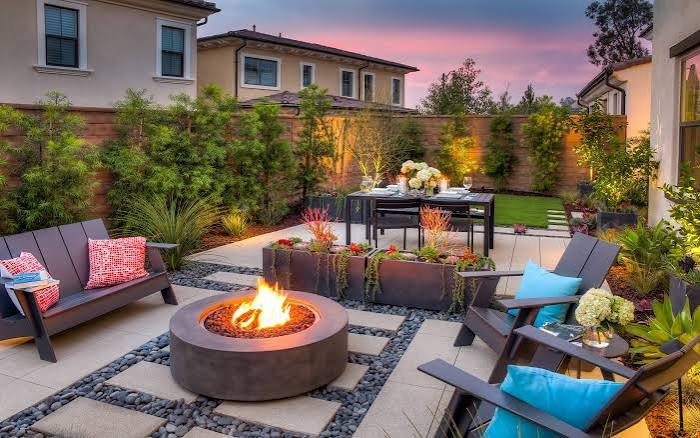
Artificial turf can look especially attractive when it is integrated with other outdoor materials. Paver walkways, stone borders, planting beds, and patios provide contrast and help define the lawn’s edges. These features also create clear transitions between recreational surfaces and areas intended for dining or relaxation.
Planning these elements together helps create a more cohesive property. A patio may provide space for outdoor furniture, while the surrounding turf offers an open green area. When colors, textures, and boundaries are coordinated, the synthetic lawn can feel like a natural part of the landscape rather than a separate installation.
Common Installation Mistakes to Avoid
Poor preparation can affect the performance of even high-quality artificial grass. An inadequately compacted base, uneven grading, weak edging, or poorly joined seams may lead to visible dips, shifting sections, or an untidy finish. These problems can be difficult to correct after the installation has been completed.
Homeowners should also avoid choosing turf based only on its initial appearance. Different products have different intended uses, and the wrong selection may not provide the desired comfort or performance. A careful review of site conditions, product specifications, and maintenance expectations helps reduce avoidable mistakes and supports a more suitable result.
Planning Your Artificial Turf Installation Project
Before installation begins, homeowners should identify the area to be covered and determine how the finished surface will be used. Replacing a front lawn may require different preparation from creating a pet area or a custom putting green. The project plan should also account for access, excavation, material removal, drainage, and transitions to existing features.
A useful planning checklist includes:
- The size and intended use of the turf area.
- Existing ground conditions, slope, and drainage requirements.
- Turf style, color, texture, and appropriate infill options.
- Edging, surrounding landscaping, budget, and project schedule.
Discussing these details with the contractor helps clarify the scope of work and identify any site-specific requirements. A detailed proposal can explain the materials, preparation steps, and finishing work included in the project.
Why Choose Vicente Outdoor Living in Tyler, TX?
Vicente Outdoor Living provides outdoor design and construction services for homeowners in Tyler and nearby East Texas communities. Its artificial turf services include lawn replacement, pet-friendly areas, high-traffic sections, and backyard putting greens. The company also works with patios, pergolas, retaining walls, landscaping, and other outdoor features that can complement a synthetic lawn.
A coordinated design-build approach helps homeowners consider the turf as part of the entire property. Site preparation, drainage, base construction, edging, and finishing details are important considerations throughout the process. Discussing the property’s conditions and the homeowner’s goals before construction helps establish a clear direction for the project.
Maintaining Your Artificial Lawn After Installation
Regular care helps artificial turf remain neat and functional. Removing leaves and debris prevents unwanted material from accumulating, while periodic brushing can help restore the appearance of flattened blades. Areas that receive heavy use may need more frequent attention than decorative sections of the yard.
Pet areas and recreational surfaces may also require specific cleaning procedures. Homeowners should follow the recommendations provided for their turf product and avoid using unsuitable cleaning materials. Occasional inspections of seams, edges, and drainage areas can help identify minor concerns early and maintain the overall quality of the installation.
Conclusion
Artificial turf offers homeowners a practical way to create a consistently green outdoor surface while reducing many routine lawn maintenance tasks. From residential lawns and side yards to pet areas and backyard putting greens, the right installation can improve the appearance and usability of a property. Proper ground preparation, base compaction, drainage, and careful finishing remain essential to achieving a reliable result.
Vicente Outdoor Living helps homeowners in Tyler, Texas, and surrounding East Texas communities plan outdoor improvements suited to their properties and lifestyles. Whether the goal is to replace patchy grass, create a cleaner recreational area, or add a custom putting green, professional artificial turf installation in Tyler can make the yard more attractive and functional. With thoughtful planning and quality construction, synthetic grass can become a valuable part of a well-designed outdoor environment.