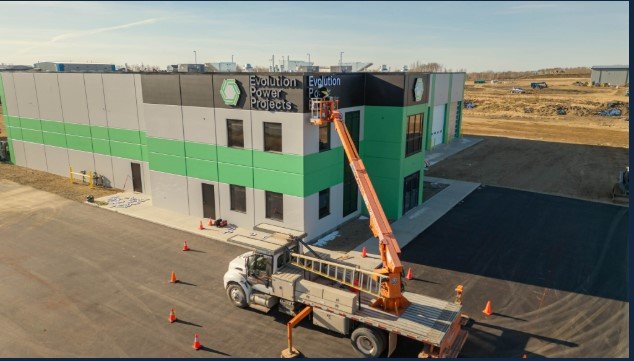

A commercial building should remain recognizable and welcoming after the sun goes down. Whether it is an office, retail storefront, industrial facility, or business complex, exterior lighting influences how people see the property and move around it. Dark entrances, poorly illuminated parking areas, and hidden architectural features can affect the experience of employees, customers, and visitors. Well-planned Exterior Commercial Building Lighting helps businesses improve nighttime visibility, highlight important features, and create a more functional outdoor environment.
Sign Works provides commercial lighting and signage services for businesses in Fort St. John and surrounding Northern British Columbia communities. By considering the building layout, lighting requirements, and intended use of outdoor spaces, businesses can develop lighting systems that support both practical needs and a professional appearance.
Why Outdoor Lighting Matters for Commercial Properties?
Exterior lighting serves several purposes beyond making a building look attractive. It helps people identify entrances, recognize pathways, and navigate parking areas after dark. Appropriate illumination can also make important building features and business signs easier to see from nearby roads.
For retail locations, visible storefronts can make it easier for customers to identify the correct entrance during evening hours. Office buildings benefit from clearly illuminated access points, while industrial facilities may require lighting around loading areas, equipment access points, and building perimeters.
Lighting should be planned according to how each space is used. A decorative fixture that looks attractive near an entrance may not provide enough illumination for a large parking area. Similarly, a powerful floodlight may be unsuitable near windows or neighbouring properties if it produces excessive glare.
Effective Exterior Commercial Building Lighting balances visibility, energy consumption, safety considerations, and the appearance of the property. Businesses should identify their priorities before choosing fixtures or deciding where to install them.
Choosing the Right Lighting for Different Areas
Commercial properties often need several types of outdoor lighting to cover different spaces. Selecting suitable fixtures for each application helps create a consistent lighting plan without wasting energy on areas that do not require the same level of illumination.
Wall packs are commonly installed on exterior walls to illuminate building entrances, walkways, and perimeter areas. Their placement can provide useful light around access points and building edges. Floodlights serve a different purpose, delivering broader illumination for yards, service areas, and selected outdoor workspaces.
Parking lot lighting helps drivers identify parking spaces, recognize pedestrians, and move through a property more confidently. The required fixture height, spacing, and output depend on the parking area’s dimensions and layout. Building-mounted fixtures may complement pole-mounted lighting where appropriate.
Businesses can also use dedicated sign lighting to make company names and storefront displays more visible at night. Architectural lighting can emphasize building features, while canopy lighting supports visibility around covered entrances and service areas.
Sign Works offers commercial lighting options that include wall packs, floodlights, parking lot lighting, illuminated signage, and exterior LED systems. A coordinated design can address the specific requirements of different areas across the same property.
Improving Business Visibility With Strategic Illumination
Lighting influences how a commercial property appears from the street. A well-lit entrance helps visitors identify where to go, while appropriately illuminated signs make business names easier to recognize after sunset. Architectural features can also become more noticeable when lighting is positioned to complement the building’s shape and materials.
The objective is to guide attention without overwhelming the surroundings. Fixtures should be positioned to highlight relevant areas while minimizing direct glare into drivers’ eyes, nearby windows, and neighbouring properties.
Businesses should also consider the relationship between lighting and signage. A sign may be clearly visible during daylight but difficult to read at night if its lettering and background are not illuminated appropriately. The correct lighting method depends on the sign’s materials, colours, design, and location.
When planning Exterior Commercial Building Lighting, property owners should consider how the building looks from multiple viewpoints, including the main road, parking lot, pedestrian approaches, and entrance areas. This broader perspective helps create a more balanced result than installing fixtures without an overall plan.
The Advantages of Energy-Efficient LED Lighting
Energy consumption is an important consideration for commercial buildings, particularly those that require outdoor lighting for extended periods. Traditional fixtures may consume more electricity or require more frequent maintenance than suitable modern alternatives.
LED lighting can offer lower energy consumption, long operating life, and a range of colour temperatures and light outputs. Replacing older fixtures with appropriate LED alternatives may help businesses reduce electricity use while maintaining or improving illumination. Actual savings depend on the existing system, operating hours, fixture specifications, and electricity costs.
LED retrofits also provide an opportunity to reassess the lighting layout. Instead of simply replacing each old lamp with a new one, businesses can evaluate whether the existing fixtures provide adequate coverage and whether some areas receive unnecessary illumination.
Controls can further improve efficiency. Timers, photocells, and compatible smart controls can adjust lighting schedules or switch fixtures on when needed. These systems should be selected according to the property’s operating patterns and the requirements of its outdoor spaces.
Sign Works provides LED retrofit services and commercial lighting upgrades designed to help businesses improve lighting performance and manage ongoing operating costs.
Planning for Northern British Columbia Weather
Commercial lighting installations in Northern British Columbia must account for changing outdoor conditions. Rain, snow, freezing temperatures, moisture, and seasonal variations can place additional demands on fixtures and electrical components.
Businesses should choose outdoor-rated equipment suited to the installation environment. Weather resistance, appropriate electrical protection, secure mounting, and compatibility with local conditions all matter when selecting a lighting system.
Fixture placement also deserves attention. Areas exposed to snow accumulation or equipment movement may require different mounting arrangements from sheltered entrances. Parking lot lighting should be positioned to provide useful coverage without creating unnecessary glare or obstructing vehicle movement.
Installation should comply with applicable electrical codes and local requirements, with qualified professionals handling electrical work where required. Regular inspections can identify damaged fixtures, loose components, moisture-related issues, or declining light output before these problems affect the system’s performance.
A lighting plan designed around the property’s actual environment can help businesses avoid unnecessary repairs and maintain more dependable outdoor illumination.
Combining Security, Function, and Visual Appeal
Commercial lighting should support the way people use a property rather than focus solely on appearance. Employees may need clear access to entrances before sunrise, customers may visit after regular business hours, and service vehicles may operate around loading areas during the evening.
A well-designed system can support these activities by illuminating key access points, pedestrian routes, parking spaces, and selected building perimeters. However, lighting alone does not guarantee security. Its effectiveness depends on fixture placement, surrounding visibility, site layout, and other appropriate security measures.
Colour temperature also influences the atmosphere. Different applications may benefit from different light characteristics, so businesses should consider the appearance of the building materials, the surrounding environment, and the desired visual effect before making a selection.
Thoughtful Exterior Commercial Building Lighting brings these elements together by making outdoor spaces functional while maintaining a consistent appearance. The result should feel purposeful rather than excessively bright or visually distracting.
Maintaining Lighting Performance Over Time
Even a well-installed lighting system needs occasional maintenance. Dirt, moisture, damaged fixtures, electrical problems, and ageing components can reduce performance. A fixture that once illuminated an entrance effectively may become less useful if its output declines or its lens becomes dirty.
Businesses should establish an inspection schedule appropriate for the size and complexity of the installation. Maintenance may involve cleaning fixtures, checking mounting hardware, replacing failed components, and evaluating whether illumination remains adequate for current operating needs.
Older commercial properties can benefit from a lighting assessment when energy costs rise or outdoor areas become difficult to see at night. Upgrading selected fixtures or replacing outdated systems may improve performance without requiring a complete redesign of every lighting area.
Sign Works offers lighting maintenance and related signage repair services, allowing businesses to discuss upgrades and repairs as part of their broader property branding and maintenance needs.
Work With Sign Works on Your Commercial Lighting Project
Choosing a commercial lighting provider involves more than comparing fixture prices. Businesses should consider the provider’s experience, available lighting options, installation requirements, energy-efficiency recommendations, and support for future maintenance.
Sign Works combines commercial lighting with its wider expertise in business signage and visual branding. Its services include exterior building illumination, LED retrofits, wall packs, floodlights, parking lot lighting, and lighting for business signs.
Before beginning a project, property owners should identify dark areas, describe their operating requirements, and discuss their goals for energy efficiency and nighttime visibility. A site-specific assessment can help determine which fixtures and controls are appropriate for the property.
Conclusion
Outdoor lighting is an important part of maintaining a functional, visible, and professional commercial property. From illuminated entrances and parking areas to building perimeters and business signage, each application requires suitable fixtures, thoughtful positioning, and attention to operating costs.
Sign Works helps businesses across Northern British Columbia explore commercial lighting systems, LED upgrades, and related signage illumination. By evaluating their property’s layout, environmental conditions, and daily requirements, business owners can make informed decisions about Exterior Commercial Building Lighting that supports visibility, energy efficiency, and long-term performance.