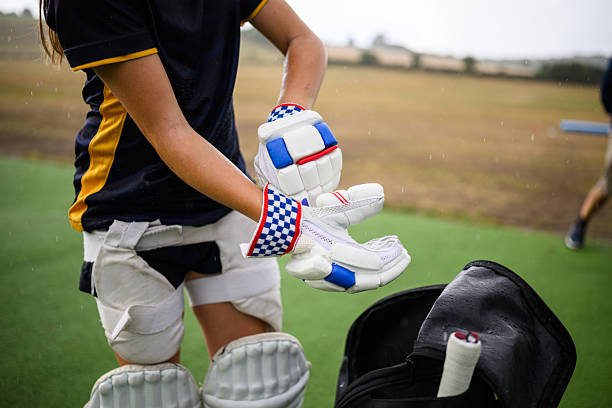

Choosing the right cricket batting gloves is essential for comfort, grip and hand protection at the crease. Whether you are a beginner learning to hold a bat or an experienced player facing fast bowling, your gloves play an important role in how confidently you bat.
A good pair of batting gloves should protect your fingers, knuckles and hands without restricting movement. However, with different padding styles, materials, sizes and designs available, finding the right pair can be confusing.
This guide explains how to choose cricket batting gloves based on fit, padding, protection, ventilation and playing level. It also covers common buying mistakes and practical care tips to help your gloves last longer.
Why Are Cricket Batting Gloves Important?
Batting gloves are designed to protect a batter’s hands from impact while maintaining a secure grip on the bat handle.
During a cricket match, the hands are exposed to several risks. A rising delivery can strike the fingers, an awkward shot can cause vibration through the bat, and long periods at the crease can lead to sweating and discomfort.
Well-designed gloves help reduce these problems through protective padding, flexible finger sections and suitable palm materials.
The main benefits include:
- Hand protection: Padding helps reduce the impact of balls striking the hands.
- Improved grip: Palm materials help maintain contact with the bat handle.
- Better comfort: Breathable materials and suitable sizing can reduce discomfort.
- Finger flexibility: Articulated sections allow the hands to move naturally.
- Confidence: Comfortable protective equipment can help batters concentrate on their technique.
Although gloves reduce injury risks, they cannot eliminate the possibility of hand or finger injuries.
Understanding the Different Types of Cricket Batting Gloves
Cricket batting gloves are available in several designs. The most noticeable differences involve the padding arrangement and overall construction.
Traditional Sausage Finger Gloves
<AsyncImage query=”traditional sausage finger cricket batting gloves white padded finger rolls product photography” aspectRatio=”5:3″/>
Traditional sausage finger gloves use long padded rolls running along the fingers.
This design provides continuous padding and is often associated with a classic cricket glove appearance.
The advantages include substantial finger coverage and a familiar feel. However, some designs may feel less flexible than modern segmented gloves.
Split Finger Batting Gloves
<AsyncImage query=”modern split finger cricket batting gloves white segmented protective finger padding product photography” aspectRatio=”5:3″/>
Split finger gloves feature multiple padded sections across the fingers.
These sections are designed to bend more easily as the batter grips the handle.
Split finger gloves can be useful for players who prefer greater flexibility and a closer feel around the bat.
The actual level of protection depends on the materials and construction, not simply whether the fingers are split or traditional.
Hybrid Batting Gloves
Hybrid gloves combine features from different designs.
For example, a glove may use segmented padding on some fingers and longer protective rolls on others.
These designs aim to balance flexibility, comfort and impact protection.
How to Choose the Correct Cricket Batting Gloves Size
Fit is one of the most important factors when buying gloves.
Gloves that are too tight can restrict movement and cause discomfort. Gloves that are too loose may shift during batting and affect grip.
Cricket Batting Gloves Size Guide
Sizing varies between manufacturers, but the following measurements provide a general starting point.
| Glove size | Approximate hand length | Typical category |
|---|---|---|
| Small Junior | 14–15.5 cm | Younger junior players |
| Junior | 15.5–17 cm | Junior players |
| Youth | 17–18.5 cm | Older juniors and smaller hands |
| Adult | 18.5–20.5 cm | Most adult players |
| Large Adult | 20.5–22 cm | Larger adult hands |
<text color=”secondary” size=”sm”>Measurements are illustrative, not a universal sizing standard. Always check the manufacturer’s specific chart.</text>
How to Measure Your Hand
<box gap={2}> <AsyncImage query=”illustration measuring hand length from wrist crease to tip of middle finger ruler glove sizing clean educational diagram” aspectRatio=”16:9″/> Measure from the base of your palm near the wrist crease to the tip of your middle finger. </box>
Use a measuring tape or ruler and compare the result with the size guide provided by the glove manufacturer.
Signs Your Gloves Fit Properly
A correctly fitted pair should:
- Allow you to close your hand comfortably around a cricket bat.
- Leave minimal excess material at the fingertips.
- Stay secure without excessive movement.
- Allow natural finger and thumb movement.
- Feel comfortable around the wrist and palm.
Always try holding a bat while wearing the gloves if possible. A pair that feels comfortable with an open hand may feel different when gripping the handle.
What Padding Is Best for Cricket Batting Gloves?
Padding is the main protective feature of batting gloves.
Different manufacturers use combinations of foam, reinforced materials and protective inserts to reduce impact.
High-Density Foam Padding
High-density foam is commonly used in batting gloves because it provides cushioning without excessive weight.
The thickness and arrangement of the foam affect how the glove feels and performs.
Reinforced Finger Protection
Some gloves include additional protective inserts made from materials such as plastic or fibre-based composites.
These inserts may be positioned over vulnerable areas, including the fingers and knuckles.
They can provide additional resistance to impact, although the overall protection depends on the complete glove design.
Thumb Protection
The thumb is particularly vulnerable when a ball rises sharply or strikes the bat handle area.
Look for gloves with suitable thumb padding that does not prevent comfortable movement.
Side-Hand Protection
The outside edge of the hand can be exposed when playing certain shots.
Some higher-protection designs include additional padding around this area.
When comparing gloves, consider the full protective coverage rather than focusing only on the thickness of the finger padding.
How Much Protection Do Different Batters Need?
The right level of protection depends on the type of cricket you play, the bowling speeds you face and your personal preferences.
Beginners
Beginners should prioritise proper sizing, comfort and reliable basic protection.
A flexible glove with adequate padding can help new players develop their grip and batting technique.
Club Cricket Players
Club players may face a wider range of bowling speeds and playing conditions.
They should look for gloves that balance strong protection with enough flexibility for defensive and attacking shots.
Advanced and Competitive Batters
Players regularly facing faster bowling may prefer gloves with reinforced fingers, additional thumb protection and carefully positioned impact-resistant materials.
Higher-priced gloves may offer more advanced construction, but price alone does not guarantee better protection.
Junior Cricket Players
Junior players need gloves suited to their hand size and playing level.
Avoid buying excessively large gloves simply to allow room for growth. Poorly fitting gloves can interfere with grip and may shift during play.
Leather vs Synthetic Cricket Batting Gloves
The palm material influences grip, comfort, durability and maintenance.
| Feature | Leather palms | Synthetic palms |
|---|---|---|
| Feel | Often soft and natural | Varies by material and construction |
| Grip | Good grip when properly maintained | Can provide consistent textured grip |
| Durability | Depends on leather quality and care | Depends on fabric and reinforcement |
| Moisture handling | Can absorb sweat | Some materials dry relatively quickly |
| Price | Often higher for premium leather | Available across a wide price range |
| Maintenance | Usually needs more careful drying | Often easier to maintain |
Leather Palm Gloves
Leather is a popular choice for batting glove palms.
Premium models may use soft leather designed to provide a comfortable feel around the handle.
However, leather can become stiff or deteriorate if repeatedly soaked and dried incorrectly.
Synthetic Palm Gloves
Synthetic materials can offer a lightweight feel and may be easier to clean.
Some gloves use textured synthetic palms to improve grip.
The best option depends on your budget, comfort preferences and how often you play.
Why Ventilation Matters in Cricket Batting Gloves
Cricket matches can last several hours, especially during warm weather.
Sweaty hands can make gloves uncomfortable and may affect grip.
Many modern gloves include ventilation features such as:
- Mesh panels between fingers.
- Perforated palm sections.
- Breathable fabric on the back of the hand.
- Moisture-managing inner linings.
- Ventilation openings around the thumb.
Good airflow can improve comfort, but heavily ventilated designs should still provide appropriate protection in vulnerable areas.
Players who regularly bat for long periods may find breathability particularly important.
How to Check the Grip and Flexibility of Batting Gloves
Protection matters, but batting gloves must also allow you to control the bat.
A glove that feels bulky or stiff may affect your ability to adjust your grip during different shots.
Hold a Cricket Bat
Wear both gloves and grip your usual bat.
Check whether the fingers wrap naturally around the handle.
Practise Basic Batting Movements
Try a few controlled practice swings.
Pay attention to how the gloves move when playing a forward defensive shot, cover drive or pull shot.
Check Finger Movement
Open and close your hands several times.
The padding should bend comfortably without creating strong pressure points.
Test the Wrist Closure
The wrist strap should keep the glove secure without feeling restrictive.
A secure closure helps prevent unnecessary movement while batting.
Right-Handed vs Left-Handed Batting Gloves
Some batting glove designs provide different levels of padding on each hand.
This is because the hands can be exposed differently depending on batting stance and grip.
For a right-handed batter, the left hand is generally the top hand on the bat. For a left-handed batter, the right hand is generally the top hand.
Manufacturers may adjust the protective layout to suit these positions.
Not every glove model is handed, but when purchasing a handed design, make sure it matches your batting stance.
Always check the product description before ordering.
How Much Should You Spend on Cricket Batting Gloves?
Batting gloves are available at different price points.
The amount you should spend depends on your playing level, budget and protective requirements.
| Budget range | Typical suitability | What to look for |
|---|---|---|
| Under £25 | Beginners and occasional use | Correct fit, comfortable grip and basic padding |
| £25–£50 | Regular junior and club players | Improved materials, flexibility and protective coverage |
| £50–£90 | Frequent club and competitive players | Higher-quality palms and more advanced padding |
| £90+ | Players seeking premium designs | Specialist materials, reinforced protection and refined fit |
<text color=”secondary” size=”sm”>These are illustrative UK budget bands, not verified current retail prices.</text>
A well-fitting mid-range pair may be more useful than an expensive glove that feels uncomfortable or restricts movement.
Common Mistakes When Buying Cricket Batting Gloves
Choosing gloves based only on appearance or brand can lead to disappointment.
Buying the Wrong Size
Oversized gloves can move around during batting, while undersized gloves can cause discomfort.
Always measure your hand and check the manufacturer’s sizing guide.
Ignoring Thumb Protection
Finger padding often receives the most attention, but the thumb also needs appropriate coverage.
Check the complete protective design.
Choosing Flexibility Over All Protection
Very flexible gloves can feel comfortable, but players should not sacrifice essential protection simply to achieve a lighter feel.
Overlooking Palm Quality
The palm is constantly in contact with the bat handle.
Poor-quality palm materials may wear quickly or become uncomfortable during long innings.
Buying Without Testing Grip
If possible, try the gloves while holding a bat.
This provides a more realistic assessment than simply trying them on.
How to Clean and Maintain Cricket Batting Gloves
Proper care can help extend the life of your gloves.
Air Them After Every Match
Remove the gloves from your kit bag and allow them to dry naturally.
Leaving damp gloves inside a closed bag can encourage unpleasant odours and material deterioration.
Avoid Direct Heat
Do not place gloves directly on radiators or use excessive heat to dry them.
High temperatures can damage leather, adhesives and padding materials.
Clean the Surface Gently
Use a slightly damp cloth to remove dirt from suitable areas.
Follow the manufacturer’s care instructions, especially for leather palms.
Store Them in a Dry Place
Keep gloves in a clean, dry environment between matches.
Avoid crushing them beneath heavy equipment.
Inspect for Wear
Check the palms, seams, finger padding and wrist closures regularly.
If protective padding becomes damaged or the glove no longer fits securely, consider replacing it.
When Should You Replace Cricket Batting Gloves?
There is no fixed replacement schedule because wear depends on playing frequency, conditions and glove quality.
However, several signs suggest that a new pair may be needed:
- Holes or tears in the palms.
- Damaged or flattened protective padding.
- Loose stitching around the fingers.
- Worn wrist straps.
- Persistent discomfort or poor grip.
- Changes in fit caused by stretched materials.
Junior players may also need new gloves as their hands grow.
Do not continue using heavily damaged gloves simply because the palms remain usable.
Frequently Asked Questions
What size cricket batting gloves should I buy?
Measure your hand from the wrist crease to the tip of the middle finger and compare it with the manufacturer’s size chart. The gloves should feel secure without restricting finger movement.
Are expensive cricket batting gloves worth it?
Premium gloves may offer better materials, additional protective features and improved comfort. However, the best choice is a pair that fits correctly and provides suitable protection for your playing level.
Are split finger batting gloves better?
Split finger gloves can offer greater flexibility, but they are not automatically better than traditional sausage finger designs. Protection and comfort depend on the overall construction.
Can beginners use professional cricket batting gloves?
Yes, provided the gloves fit properly and suit the player’s needs. Beginners do not necessarily need the most expensive models.
Should cricket batting gloves feel tight?
They should feel secure but not excessively tight. You should be able to grip the bat naturally without pressure or restricted movement.
How long do cricket batting gloves last?
Their lifespan depends on how often you play, the quality of the materials and how well they are maintained. Regularly inspect the palms and protective padding for wear.
Can cricket batting gloves be washed?
Most batting gloves should not be soaked or machine washed unless the manufacturer specifically allows it. Gentle surface cleaning and natural drying are generally safer.
Do left-handed batters need different gloves?
Some manufacturers produce handed glove designs with different protective arrangements. Check whether the model is designed for left-handed or right-handed batting before purchasing.
Final Thoughts
Choosing the right cricket batting gloves involves more than selecting a familiar brand or attractive design. Fit, padding, finger flexibility, palm materials and ventilation all influence how comfortable and protected you feel at the crease.
Beginners should focus on reliable protection and correct sizing, while regular club and competitive players may benefit from additional reinforcement and more advanced materials.
Before buying, compare the protective features, check the manufacturer’s sizing chart and test the gloves with a cricket bat whenever possible. A comfortable, well-fitting pair can help you maintain a secure grip and concentrate on your batting performance.