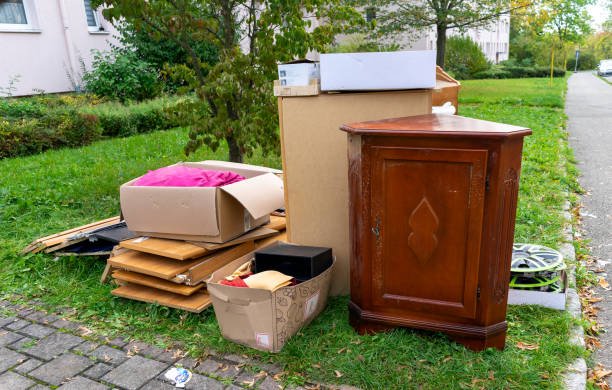

When large household items become damaged, outdated, or unwanted, getting rid of them can be more difficult than disposing of everyday rubbish. Bulky waste collection offers a practical way to remove items such as sofas, mattresses, wardrobes, washing machines, and other large objects without having to transport them yourself.
Whether you are clearing a spare room, preparing to move house, replacing old furniture, or making more space at home, understanding your collection options can save time and effort. This guide explains what bulky waste collection includes, how to prepare items for removal, and what to consider when choosing a collection service.
What Is Bulky Waste Collection?
Bulky waste collection is a service for removing large items that are too big or unsuitable for standard household bins. Depending on the provider, the service may cover individual items, several pieces of furniture, household appliances, and other unwanted belongings.
Local councils often provide bulky item collections, although accepted items, charges, collection dates, and booking conditions vary by area. Private waste removal companies can offer another option when you need help with heavy items or want to arrange a collection around your schedule. <Cite refs={[“turn644887search2″,”turn644887search4”]}/>
For households in the North East, bulky item collection from Waste Management Solutions NE is an option to consider when arranging the removal of unwanted large items.
Which Items Can Be Collected?
The items accepted depend on the collection provider, so it is important to confirm the details before booking.
Furniture and Household Items
Common examples of bulky household waste include:
- Sofas and armchairs
- Beds and bed frames
- Mattresses
- Wardrobes and chests of drawers
- Tables and chairs
- Cabinets and shelving units
- Large household furnishings
Some services can collect items from inside a property, while others require them to be placed outside in an agreed collection area. If an item is upstairs, particularly heavy, or difficult to move through a doorway, mention this when requesting a quote.
Household Appliances
Certain collection services also accept appliances such as washing machines, tumble dryers, dishwashers, fridges, and freezers.
Electrical items may require separate handling arrangements. Before booking, confirm that the provider accepts the specific appliance and ask whether it needs to be disconnected, emptied, or prepared in another way.
Never attempt to disconnect gas or hard-wired electrical equipment unless you are qualified to do so.
Items That May Need Special Arrangements
Not every type of waste can be included in a standard bulky collection. Construction rubble, hazardous materials, asbestos, and some electrical or upholstered items may require specialist handling.
If you are disposing of anything unusual, describe it clearly to the provider. This helps avoid unexpected charges or a failed collection.
When Should You Arrange a Bulky Waste Collection?
There are several situations where a collection service can be useful.
Moving House
Moving is an opportunity to decide which belongings you want to keep. Removing damaged furniture or items you no longer need can reduce the amount you have to pack and transport.
Arrange collection before moving day where possible, leaving enough time to deal with any items the provider cannot accept.
Replacing Furniture or Appliances
A new sofa, bed, or washing machine can leave you with a large item that is difficult to move. Some retailers offer take-back services when delivering replacements, but availability depends on the retailer and product.
A separate bulky waste collection may be another option if a take-back service is unavailable.
Clearing Clutter
Old furniture can take up valuable space in spare rooms, garages, lofts, and storage areas. A planned collection can help you clear unwanted belongings without making several trips to a recycling centre.
Before disposing of anything, consider whether an item is still suitable for reuse or donation.
Preparing a Property for Sale or Rent
Clearing unwanted furniture can make a property easier to clean, photograph, and prepare for new occupants. Landlords and homeowners may find a collection useful after a tenant moves out or when completing renovation work.
For larger clearances, ask whether the provider can remove multiple items in one visit.
Council Collection or Private Bulky Waste Removal?
Both options can be useful, but the best choice depends on your needs.
Council collection may suit households that can work around the available booking dates and follow the council’s rules about accepted items and collection points. Charges and services vary between local authorities.
Private collection services may offer more flexible arrangements, including assistance with moving heavy objects from inside a property. Availability, pricing, and the amount of labour included depend on the provider.
Compare the total cost rather than the headline price alone. Ask whether carrying items downstairs, dismantling furniture, difficult access, or additional items will affect the quote.
How to Prepare for a Bulky Waste Collection
A little preparation can help the collection run smoothly.
1. Make a List of Items
Write down everything you want removed. Include the number of items and their approximate sizes so the provider can assess the job accurately.
2. Check Access
Consider doorways, stairs, lifts, narrow hallways, and parking arrangements. If an item needs to be dismantled, ask whether the collection service includes this work.
3. Empty and Prepare Items
Remove personal belongings, food, and other contents from furniture and appliances. Follow the provider’s instructions for preparing each item.
Keep loose parts together where practical, and do not leave sharp objects or hazardous materials inside furniture.
4. Confirm the Price and Collection Details
Before agreeing to a booking, check the total price, collection date, access arrangements, and any extra charges. Confirm where the items should be placed and whether you need to be present.
5. Check What Happens to the Waste
Responsible disposal is important. Ask how the company handles collected items and whether reusable materials are donated or recyclable materials are separated where appropriate.
Why Responsible Waste Disposal Matters
Large unwanted items should not be abandoned on streets, pavements, or other public land. Fly-tipping can harm local environments, create hazards, and lead to enforcement action.
In England, householders must take care when handing waste to another person or business. Government guidance advises checking that a private waste collection company is registered with the Environment Agency. <Cite refs={[“turn644887search2″,”turn644887search10”]}/>
Choosing a suitable provider and asking about waste transfer documentation can give you greater confidence that your waste is being handled appropriately.
Where an item is still in usable condition, donation, resale, or reuse may be a better option than disposal. Recycling suitable materials can also help reduce the amount of waste sent to landfill.
Frequently Asked Questions
What is included in bulky waste collection?
It commonly includes large household items such as sofas, mattresses, beds, wardrobes, tables, and selected appliances. The accepted list varies by council or private provider.
Is bulky waste collection free?
Not always. Some councils charge for bulky item collections, while private companies set their own prices. Check the cost and any additional fees before booking.
Can bulky items be collected from inside my home?
Some private providers offer collection from inside a property, while some council services require items to be placed at a designated outdoor collection point. Confirm the arrangements when booking.
Do I need to dismantle furniture before collection?
Requirements vary. Some providers may ask you to dismantle particular items, while others may offer dismantling as part of their service or for an additional charge. Check before the collection date.
How can I dispose of bulky waste responsibly?
Consider reuse or donation first if the item is still in good condition. Otherwise, use your council’s collection service, an appropriate recycling centre, or a properly registered private waste carrier.
Final Thoughts
Bulky waste collection makes it easier to remove large unwanted items when moving house, replacing furniture, clearing clutter, or preparing a property. The right service can save you the effort of transporting heavy belongings and help ensure that waste is handled responsibly.
Before arranging a pickup, check which items are accepted, confirm the total cost, consider access requirements, and ask how the waste will be managed. Taking these steps can help you choose a suitable collection option and make clearing unwanted items more straightforward.