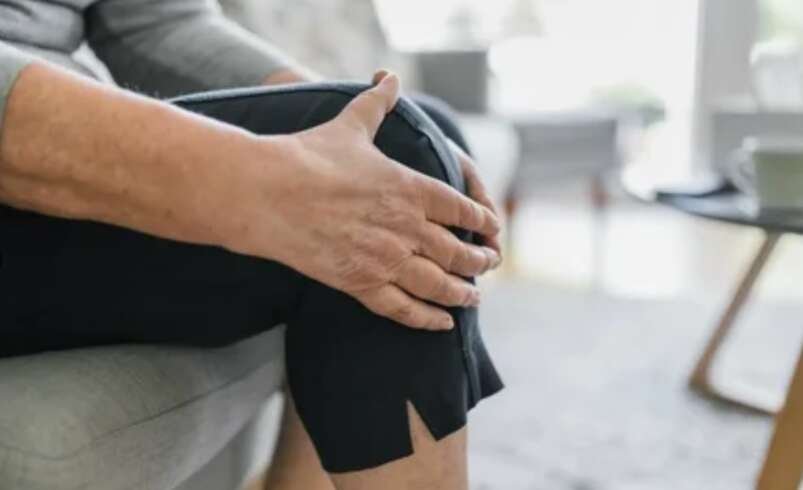

Knee discomfort can affect nearly every part of an active lifestyle. Walking through a shopping center, climbing stairs, getting out of a car, or standing while preparing a meal may become uncomfortable when the knee is not functioning properly. Even mild discomfort can influence how a person moves, especially when it continues for several weeks or begins interfering with regular responsibilities. FYZICAL Therapy and Balance Centers – Woodstock provides a local option for individuals interested in understanding their physical therapy and rehabilitation needs.
Exploring knee pain therapy in Woodstock can be a helpful step for people experiencing stiffness, weakness, reduced mobility, or discomfort around the knee joint. Physical therapy focuses on evaluating movement and identifying areas that may benefit from improved strength, flexibility, and coordination. The appropriate approach depends on the cause of the symptoms, the patient’s physical condition, and their personal goals. Understanding these factors can help individuals make informed decisions about their care.
How Knee Problems Can Change Everyday Movement?
The knee plays an important role in supporting body weight and allowing the legs to bend and straighten. It works together with the hips, ankles, and surrounding muscles to support walking, standing, sitting, and many other movements. When knee function is affected, people may begin changing the way they perform ordinary activities to avoid discomfort.
For example, someone with knee stiffness may use their hands to push themselves out of a chair, while another person may avoid stairs or shorten their walking distance. These adjustments can sometimes place additional demands on other parts of the body. Recognizing these changes early can help individuals understand when a professional evaluation may be worthwhile.
Understanding Common Reasons for Knee Discomfort
Knee pain can develop for different reasons, and symptoms may vary from person to person. Some individuals experience discomfort after sports or exercise, while others notice gradual changes associated with repetitive activity, joint conditions, previous injuries, or age-related changes. Muscle weakness and limited flexibility may also influence how the knee handles everyday physical demands.
Because several factors can contribute to similar symptoms, identifying the cause is important before choosing a treatment approach. A healthcare professional may review medical history, discuss symptom patterns, and evaluate movement to determine what further assessment or care may be appropriate. Physical therapy recommendations should be based on individual findings rather than assumptions about the source of pain.
Why Hip and Ankle Movement Also Matter?
Although discomfort may be felt directly around the knee, movement throughout the lower body can influence how the joint functions. The hips help control leg positioning, while the ankles contribute to balance and movement during walking. If one area has limited mobility or strength, the body may adjust its movement patterns in ways that affect the knee.
A physical therapy assessment may therefore consider more than the painful area. A therapist may observe walking mechanics, leg alignment, flexibility, and strength in nearby muscle groups. This broader perspective can help identify movement limitations that may need attention as part of an individualized rehabilitation plan.
Building Muscle Support Around the Knee
Muscles in the thighs, hips, and lower legs help support the knee during everyday activities. When these muscles are weak or do not work together efficiently, movements such as climbing stairs, standing from a seated position, and walking may become more demanding. Improving muscle function can be an important part of addressing certain knee-related limitations.
Depending on the patient’s condition, physical therapy may include controlled strengthening exercises for relevant muscle groups. Exercises can be adjusted according to current abilities, symptoms, and treatment goals. People exploring knee pain therapy in Woodstock should look for an approach that considers overall lower-body function instead of focusing only on the location of discomfort.
Improving Knee Flexibility and Range of Motion
Stiffness can make it difficult to bend or straighten the knee comfortably. This may affect activities such as sitting for extended periods, getting into a vehicle, using stairs, or walking after remaining in one position. Reduced movement can also make it harder to return to exercise or recreational activities.
A rehabilitation program may include gentle mobility exercises and stretching based on the individual’s needs. These activities are intended to support comfortable movement while respecting the condition of the joint. Patients should avoid forcing painful movements and should follow professional guidance when deciding which exercises are appropriate.
Making Walking and Stair Climbing More Comfortable
Walking and stair climbing place different demands on the knee. Walking requires repeated bending and straightening, while stairs involve additional strength and control from the muscles around the hips and legs. When knee function is limited, these activities may become tiring or uncomfortable.
Physical therapy may include exercises that relate directly to these movements. A therapist may assess walking patterns, balance, leg strength, and the ability to control body movement during changes in position. For individuals seeking knee pain therapy in Woodstock, functional training can help connect rehabilitation activities with the movements they want to manage more comfortably in daily life.
Returning to Exercise and Recreational Activities
People who enjoy walking, cycling, fitness classes, gardening, or recreational sports may become frustrated when knee discomfort interrupts their routine. However, returning to activity too quickly without considering the underlying problem may not be appropriate. A gradual and well-planned approach is often important when rebuilding physical capacity.
A physical therapist can help patients understand how to modify activities and work toward suitable movement goals. The type and intensity of exercise should reflect the patient’s condition and any medical recommendations. Some individuals may need to begin with lower-impact activities before progressing, while others may require a different rehabilitation strategy.
Developing Better Habits for Knee Health
Everyday habits can influence how much physical demand is placed on the knees. Long periods of inactivity, sudden increases in exercise intensity, repetitive movements, and inadequate recovery time may contribute to discomfort for some individuals. Paying attention to these patterns can help people make more informed activity choices.
Helpful habits may include gradually increasing activity, taking movement breaks when sitting for extended periods, using appropriate footwear, and following a suitable exercise routine. Maintaining general lower-body strength and mobility can also support everyday function. These steps do not replace professional care, but they may complement a rehabilitation plan when recommended.
Choosing the Right Physical Therapy Support in Woodstock
Finding an appropriate provider involves understanding the evaluation process, available services, and how treatment recommendations are personalized. Patients should feel comfortable discussing their symptoms, asking questions, and explaining which activities have become difficult. Clear communication helps ensure that rehabilitation goals reflect real-life needs.
FYZICAL Therapy and Balance Centers – Woodstock offers a local point of contact for people interested in discussing physical therapy and movement concerns. Individuals considering knee pain therapy in Woodstock can ask about assessment procedures, suitable treatment options, and how progress may be reviewed. A professional evaluation can help determine whether physical therapy is appropriate and what steps may be considered next.
Conclusion
Knee discomfort can affect mobility, confidence, and the ability to enjoy everyday activities. Understanding the factors that influence knee movement, improving relevant muscle strength, and addressing flexibility limitations may all be important parts of rehabilitation. The right approach depends on the individual’s condition and should be guided by an appropriate professional assessment.
For people exploring knee pain therapy in Woodstock, FYZICAL Therapy and Balance Centers – Woodstock provides an opportunity to discuss physical therapy needs and learn about available rehabilitation options. With realistic goals, suitable guidance, and consistent participation, individuals can work toward improving knee function and returning to activities that matter to them.