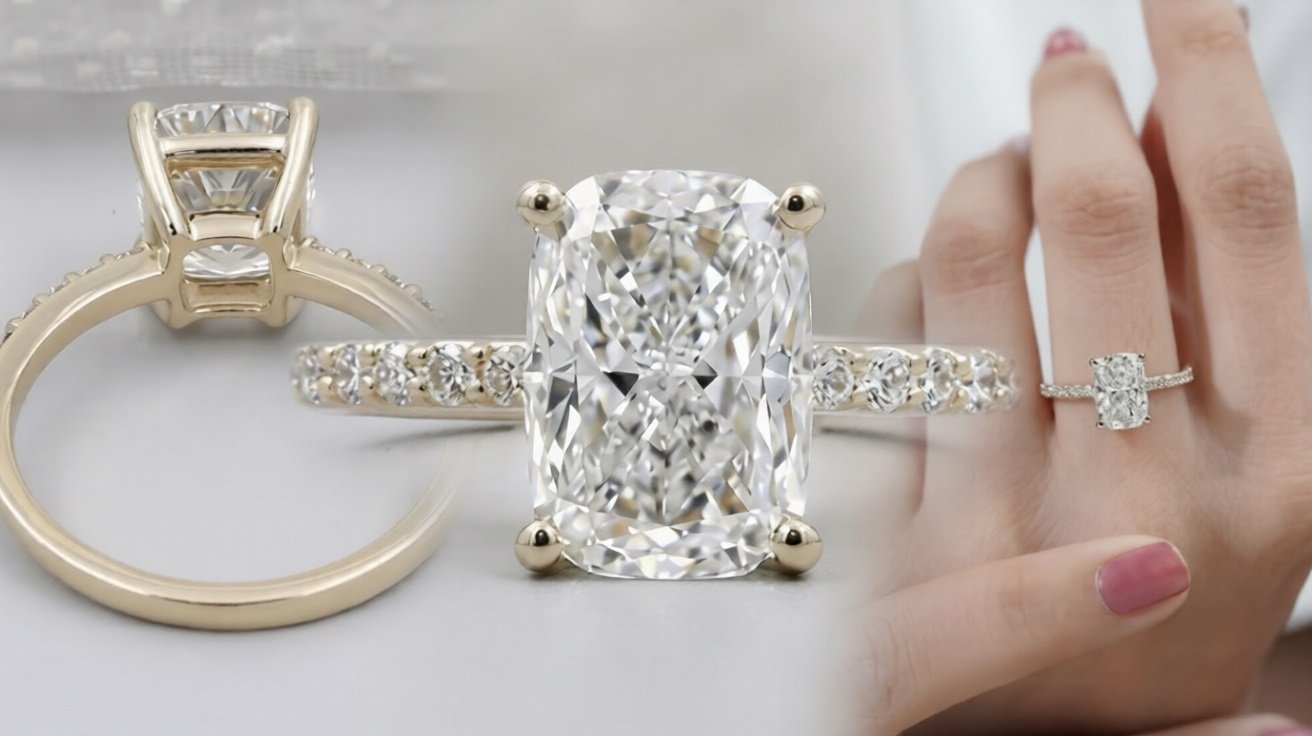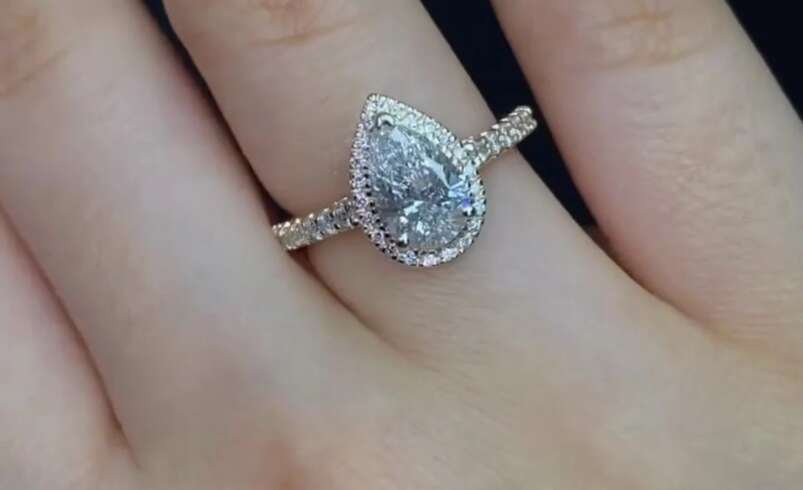

Choosing a diamond is only one part of creating custom lab grown diamond rings. The setting determines how the diamond is held, how the ring looks from different angles, and how comfortable it feels during everyday wear. It can also influence the amount of light entering the stone, the level of protection around the edges, and how easy the ring is to maintain.
A setting should never be selected only because it looks attractive in a photograph. The wearer’s routine, preferred diamond shape, hand proportions, metal choice, and long-term expectations should all be considered. A person who works with their hands may need a different design from someone who removes their jewelry during physical activities.
To compare shapes, metals, side details, and setting styles, Explore Collection of custom lab grown diamond rings and identify the features that suit both personal taste and daily use.
Understanding the main setting styles makes it easier to create a ring that feels personal, practical, and suitable for regular wear.
Begin With the Wearer’s Daily Routine
Before looking at setting styles, think about how the ring will be worn.
Some people wear their engagement ring from morning until night. Others remove it while exercising, cooking, gardening, or working. Daily habits influence how high the diamond should sit and how much protection the setting should provide.
For an active wearer, a low-profile setting may be the better choice. It keeps the diamond closer to the finger and reduces the chance of catching the ring on clothing, furniture, gloves, or bags. Bezel, flush, and low basket settings are often considered for this reason.
A higher setting may suit someone who prefers a more visible center stone and does not mind taking additional care. Raised settings can also make it easier to place a wedding band close to the engagement ring, depending on the structure of the head and shank.
When creating custom lab grown diamond engagement rings, lifestyle should influence the design from the beginning rather than being treated as an afterthought.
Consider the Shape of the Center Diamond
Every diamond shape has different edges, corners, and proportions. The right setting supports those features while protecting vulnerable areas.
Round diamonds work with almost every setting style. Four-prong settings reveal more of the stone, while six-prong settings add extra security. Bezel, cathedral, halo, and solitaire settings are also common options.
Oval diamonds often look attractive in four-prong baskets, hidden halo settings, and cathedral designs. The prong placement should hold the stone securely without making the oval appear too wide or too narrow.
Pear diamonds have a pointed tip that should be protected with a V-shaped prong. The rounded end is normally held with standard prongs. Without proper support, the pointed end may be more exposed to accidental impact.
Marquise diamonds also have two pointed tips. V-prongs are commonly used at both ends to protect these areas. The remaining prongs should be positioned carefully so the diamond appears balanced.
Princess, radiant, and other square or rectangular shapes have corners that require thoughtful protection. Corner prongs or V-prongs may be used depending on the design.
Emerald and Asscher cuts often suit four-prong, bezel, three-stone, or side-stone settings. Because their step-cut pattern is highly visible, a setting with clean lines usually complements the center stone well.
The setting should work with the diamond rather than covering the features that made the wearer choose that shape.
Prong Settings for a Classic Open Look
A prong setting uses small metal claws to hold the diamond in position. It remains one of the most widely selected options for a custom lab grown diamond ring because it allows much of the center stone to remain visible.
Four-prong settings show more of the diamond and may make the stone appear slightly larger. Six-prong settings offer additional support and can create a more rounded outline around a round diamond.
Prong styles can also change the overall character of the ring. Rounded prongs provide a softer finish, claw prongs create a sharper appearance, and tab prongs offer a wider area of contact.
The height of the prongs matters as much as their shape. Tall prongs raise the diamond above the band, while shorter prongs create a lower profile. Prongs should be checked periodically because they can loosen or wear down over time.
This setting works well for people who want a visible center stone and are willing to maintain the prongs through regular inspections.
Bezel Settings for Added Protection
A bezel setting surrounds the edge of the diamond with a thin rim of metal. It may fully surround the stone or cover only selected sections.
This setting provides strong edge protection and creates a smooth outer surface. It is often suitable for people with active routines, healthcare professionals who wear gloves, or anyone who prefers a ring that is less likely to catch on fabric.
A full bezel offers maximum coverage, while a partial bezel leaves more of the diamond visible from the sides. The metal border can also make the center stone appear more defined.
Bezel settings work with round, oval, emerald, radiant, pear, and many other diamond shapes. However, the metal should follow the outline accurately. A border that is too thick may overpower the diamond, while one that is too thin may not provide the intended level of protection.
When customers customize lab grown diamond ring designs, bezel width, profile height, and metal colour can all be adjusted to create the desired result.
Cathedral Settings for Height and Support
A cathedral setting uses raised shoulders that rise from the band toward the center diamond. These arches support the head and add visual structure to the ring.
The style can make the center diamond appear more prominent without requiring an overly complex design. It can also provide additional side support compared with a simple peg-head setting.
Cathedral shoulders may be plain, pavé-set, tapered, split, or combined with a hidden halo. The height should be chosen carefully, especially for people who prefer a ring that sits close to the finger.
One important consideration is wedding band compatibility. Some cathedral settings allow a straight band to sit flush, while others leave a small gap. The complete ring stack should therefore be considered before finalizing the design.
Halo Settings for a Larger Overall Appearance
A halo setting places a border of smaller diamonds around the center stone. This increases the visible surface area and can make the center diamond appear larger.
Halos may follow the exact shape of the center stone or create a contrasting outline. A round diamond can be placed inside a cushion-shaped halo, for example, while an oval diamond may be surrounded by a matching oval border.
There are several variations to consider:
- A traditional halo is visible from the top.
- A hidden halo sits below the center diamond and is mainly visible from the side.
- A double halo uses two rows of smaller diamonds.
- A floral halo arranges accent stones in a petal-like pattern.
A visible halo creates a more detailed top view, while a hidden halo adds side interest without changing the center stone’s outline. Smaller accent diamonds also require more cleaning because lotion, dust, and soap may collect between the stones.
Halo designs are popular in custom made diamond engagement rings, but the proportions should remain balanced. The accent stones should support the center diamond rather than compete with it.
Three-Stone Settings for Added Meaning and Presence
A three-stone setting features one center diamond with a smaller stone on each side. The side stones may match the center shape or create contrast.
Popular combinations include:
- Round center with pear side stones
- Emerald center with tapered baguettes
- Oval center with half-moon diamonds
- Radiant center with trapezoid side stones
- Cushion center with round accent diamonds
Side stones can make the ring appear wider across the finger and create a smooth transition between the center diamond and band. They can also add personal meaning, such as representing the past, present, and future.
Proportion is especially important in a three-stone design. Side diamonds that are too large may reduce the visual focus on the center stone. Side diamonds that are too small may look disconnected.
The setting angle should also follow the natural curve of the finger so the outer stones do not sit too far away from the hand.
Pavé Settings for Detailed Diamond Bands
A pavé setting uses small diamonds placed closely along the band. Tiny prongs or beads hold the stones in position, creating a continuous line of light across the ring.
Pavé can be applied to the top half, three-quarters, or nearly the full circumference of the band. A half-pavé design is often easier to resize because the lower section remains plain metal.
There are several related styles, including micro-pavé, French pavé, shared-prong, and channel settings. Each one offers a different balance of visibility, security, and metal coverage.
People selecting pavé should consider maintenance. Small stones may loosen after repeated impact, especially if the band is very thin. The ring should therefore have enough metal strength to support the accent diamonds.
Pavé settings work well for buyers who prefer additional diamond detail while keeping the center stone as the main focus.
Solitaire Settings for a Clean and Focused Design
A solitaire setting features one center diamond without surrounding accent stones. The simplicity allows the diamond shape, size, and setting structure to receive full attention.
Solitaire does not mean the ring must be plain. The band may be tapered, knife-edge, twisted, split, flat, rounded, or two-tone. The basket may include gallery details, hidden accents, or personalised features.
This style is also flexible when pairing with a wedding band. Depending on the center setting, it can work with straight, curved, contoured, or diamond-set bands.
Solitaire designs are often selected for custom lab diamond rings because they provide many opportunities for personal changes without requiring a large number of accent stones.
Match the Setting to the Metal
Metal choice affects both appearance and structure.
Platinum is dense, naturally white, and often selected for prongs because of its durability. White gold offers a similar colour but usually requires rhodium maintenance over time. Yellow gold creates clear contrast around a white diamond, while rose gold adds a warmer tone.
Two-tone designs can combine a white metal head with a yellow or rose gold band. A white head may blend with the diamond, while the coloured shank adds contrast.
The metal should also suit the setting. Thin pavé bands require enough strength to support the small stones. Bezel settings need metal that can be shaped accurately around the diamond. Fine claw prongs must be secure without appearing heavy.
Antiquecut offers customisation options that allow buyers to compare diamond shapes, setting structures, and metal choices before finalising a ring.
Think About Wedding Band Compatibility
The engagement ring should not be planned separately from the wedding band.
A low basket may prevent a straight wedding band from sitting close to the engagement ring. In that case, a curved or contoured band may be needed. A raised basket often provides more room for a straight band, although the final fit depends on the setting width and support bars.
Some people prefer a small gap between the two rings, while others want a flush appearance. Neither option is wrong, but the preference should be decided before production.
Buyers who build your own engagement ring lab diamond design should request a side-profile view. This makes it easier to understand how the basket, bridge, gallery rail, and band will interact with a future wedding ring.
Balance Ring Width and Diamond Size
The width of the band affects how large the center diamond appears.
A narrow band can make the diamond look more prominent, but it should not be so thin that the ring becomes weak or bends easily. A wider band provides more metal support and may feel more substantial on the finger.
Finger size should also be considered. A very thin band may appear out of proportion on a larger hand, while a very wide band may visually reduce a smaller center diamond.
The transition between the band and center setting should look intentional. Tapered shoulders can direct attention toward the diamond, while split shanks add width near the center without making the full band heavy.
Review the Setting From Every Angle
Online images often focus on the top view, but the side and underside are equally important.
The side profile reveals the diamond height, basket structure, gallery design, hidden accents, and wedding band clearance. The underside shows how much metal touches the finger and whether the ring will be comfortable during long periods of wear.
Ask for close views of:
- The top of the ring
- Both side profiles
- The basket or gallery
- The underside of the setting
- The prong placement
- The connection between the head and band
These details help prevent surprises and make the custom design process more accurate.
Choose Comfort Along With Appearance
A beautiful setting should still feel comfortable.
Sharp edges, raised accent stones, or thick support bars may rub against neighbouring fingers. Very high settings can feel top-heavy, especially with larger diamonds. Rings with detailed undersides may collect more residue and require frequent cleaning.
The inner surface of the band can be made with a comfort-fit profile, which has slightly rounded edges. This may be useful for wider bands or people who wear their ring throughout the day.
Comfort becomes especially important when designing a ring that is intended for long-term, regular wear.
Final Thoughts
The right setting protects the diamond, supports the wearer’s routine, and gives the ring its overall identity. Prong settings keep the center stone open and visible. Bezel settings provide added edge coverage. Cathedral settings add support and height, while halo and pavé designs introduce more diamond detail. Solitaire and three-stone settings offer very different visual results, yet both can be personalised extensively.
Before making a decision, consider diamond shape, setting height, band width, metal choice, maintenance, comfort, and wedding band compatibility. Looking at the ring from every angle will also help ensure the finished design matches expectations.