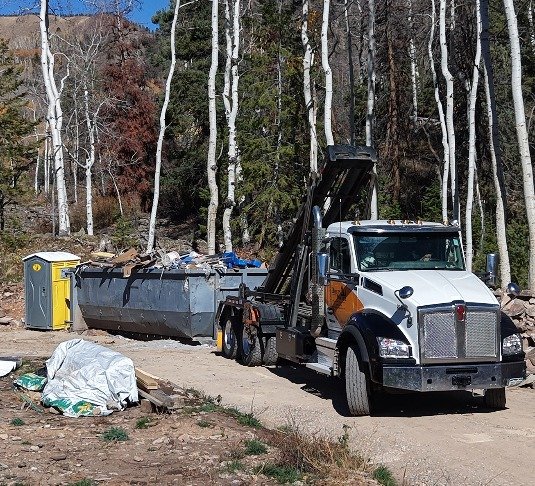

Commercial waste pickup helps businesses maintain clean, organized, and productive workplaces. From offices and retail stores to restaurants, warehouses, and manufacturing facilities, every commercial property needs an effective way to manage the waste it generates.
A dependable collection service can help businesses manage everyday trash, separate recyclable materials, and arrange suitable disposal solutions. Choosing the right commercial waste pickup plan can improve workplace cleanliness, support operational efficiency, and help control waste management expenses.
What Is Commercial Waste Pickup?
Commercial waste pickup is a service that collects and transports waste generated by businesses and commercial properties. Depending on the provider, services may include scheduled garbage collection, recycling, dumpster emptying, bulk waste removal, and specialized waste handling.
Unlike residential collection, commercial waste services are often designed around a business’s operating hours, waste volume, storage capacity, and specific disposal requirements.
Types of Commercial Waste
Businesses generate different types of waste depending on their activities. Common examples include:
- General waste: Non-recyclable packaging, disposable materials, and everyday workplace rubbish.
- Recyclable materials: Paper, cardboard, suitable plastics, glass, and metal containers.
- Organic waste: Food scraps, spoiled produce, and other biodegradable materials.
- Bulky waste: Old furniture, shelving, damaged equipment, and large packaging materials.
- Construction waste: Certain building materials, renovation debris, and non-hazardous demolition waste.
- Special waste: Batteries, electronic equipment, chemicals, and other materials that may require dedicated handling.
Identifying the waste streams generated by a business is the first step toward selecting an appropriate pickup service.
Benefits of Professional Commercial Waste Pickup
A structured collection plan helps businesses manage waste without diverting unnecessary time and resources from their primary operations.
1. Cleaner and More Organized Workplaces
Accumulated waste can create unpleasant odors, obstruct work areas, and attract pests. Regular commercial trash pickup helps prevent bins from overflowing and keeps storage areas more manageable.
Clean surroundings can also contribute to a more comfortable experience for employees, customers, suppliers, and visitors.
2. More Efficient Daily Operations
Without a dependable collection schedule, employees may need to spend time handling overflowing containers or arranging last-minute waste removal.
A suitable service establishes a predictable process for waste storage and collection, helping staff focus on their normal responsibilities.
3. Better Waste Management Costs
Commercial waste pickup costs depend on factors such as collection frequency, container size, waste type, and transportation requirements.
A provider can help assess these needs and recommend a practical service plan. Businesses may also reduce unnecessary expenses by avoiding oversized containers, preventing contamination of recyclable materials, and improving waste segregation.
4. Improved Recycling Opportunities
Separating recyclable materials from general waste can reduce the amount of material sent for final disposal.
Depending on local recycling infrastructure, businesses may be able to recover cardboard, paper, metal, glass, certain plastics, and organic materials. An effective recycling program starts with proper separation and a collection service that accepts the materials being generated.
5. Support for Environmental Responsibility
Reducing waste, reusing materials, and recycling suitable products can help conserve resources and minimize unnecessary disposal.
Businesses can begin by examining purchasing habits, reducing excessive packaging, and introducing clearly labeled collection containers.
Commercial Waste Collection Services Available
Commercial waste pickup providers may offer several service options. The best choice depends on the property’s layout, waste volume, and operating requirements.
Scheduled Commercial Trash Pickup
Scheduled collection is suitable for businesses that generate waste consistently throughout the week.
A collection plan may include daily, weekly, or multiple-times-per-week service, depending on local availability and the amount of waste produced.
This option is commonly considered by offices, shops, restaurants, educational facilities, and other commercial properties.
Commercial Dumpster Pickup
Commercial dumpsters provide centralized storage for larger quantities of general waste or recyclable materials.
Providers may supply containers in different capacities and arrange regular emptying according to the agreed schedule.
Businesses should consider container access, loading requirements, available space, and waste volume before choosing a dumpster.
Commercial Recycling Collection
Recycling collection allows businesses to separate recoverable materials from general rubbish.
Common services include cardboard collection, paper recycling, metal recovery, and suitable plastic or glass collection. Some providers also offer separate food waste or electronic waste arrangements.
Accepted materials vary by provider and location, so businesses should confirm collection requirements before introducing a recycling program.
Bulk Waste Removal
Some businesses occasionally generate waste that cannot fit into standard collection containers.
Examples include discarded office furniture, large packaging, shelving, and certain renovation materials. Bulk waste removal can help manage these items through a separate collection arrangement.
Businesses should confirm whether additional fees, advance scheduling, or special preparation requirements apply.
Which Businesses Need Commercial Waste Pickup?
Commercial waste collection can support organizations of different sizes and across multiple industries.
| Business type | Common waste generated | Suitable service considerations |
|---|---|---|
| Offices | Paper, packaging, general rubbish | Regular collection and recycling |
| Retail stores | Cardboard, packaging, damaged goods | Frequent pickup and cardboard recycling |
| Restaurants | Food scraps, packaging, general waste | Frequent collection and organic waste separation |
| Warehouses | Pallets, cartons, wrapping materials | Larger containers and scheduled collection |
| Manufacturing facilities | Production residues, packaging, scrap materials | Waste-stream assessment and specialized handling |
| Hotels | Food waste, packaging, guest-related rubbish | Multiple collection points and coordinated schedules |
| Construction businesses | Renovation debris and building materials | Project-based containers and suitable disposal |
| Schools and institutions | Paper, food waste, general rubbish | Consistent scheduling and recycling programs |
A commercial waste plan should reflect the specific waste streams, operating hours, and storage limitations of each business.
How to Choose the Right Commercial Waste Pickup Provider
Selecting a suitable provider requires more than comparing advertised prices. Businesses should evaluate service reliability, accepted waste types, container options, and the terms of the collection agreement.
Evaluate Collection Frequency
The required collection frequency depends on how quickly waste accumulates and how much storage space is available.
A small office may need only occasional collection, while a busy restaurant or distribution facility may require more frequent service.
Businesses should review waste volumes over several weeks to identify a practical schedule.
Compare Container Sizes and Options
Containers should accommodate the expected waste volume without taking up unnecessary space.
A container that is too small may overflow between pickups. An oversized container may increase costs without providing meaningful benefits.
Providers should explain available capacities, placement requirements, and any restrictions on container loading.
Confirm Accepted Waste Materials
Not every provider accepts every type of commercial waste.
Businesses should confirm which materials can be collected through standard service and which require separate arrangements. Hazardous, regulated, medical, and certain electronic wastes may need authorized specialist handling.
Review Reliability and Service Terms
Collection reliability is important for businesses that operate continuously or generate waste quickly.
Before signing an agreement, businesses should review:
- Scheduled pickup days and service hours.
- Procedures for missed or delayed collections.
- Availability of additional pickups.
- Container delivery and removal arrangements.
- Contract length, cancellation terms, and additional charges.
- Waste handling and recycling documentation, where available.
Request a Customized Quote
A useful commercial waste pickup quote should reflect the actual needs of the property.
Businesses can prepare details about their location, estimated waste volume, waste types, preferred pickup frequency, and container requirements before requesting pricing.
How Much Does Commercial Waste Pickup Cost?
Commercial waste pickup pricing varies according to the service arrangement, location, and nature of the waste. There is no single price that applies to every business.
The following factors commonly influence the total cost.
| Pricing factor | How it affects cost |
|---|---|
| Collection frequency | More frequent pickups may increase recurring charges. |
| Container size | Larger containers may cost more to supply or service. |
| Waste volume | Higher volumes may require additional capacity or collections. |
| Waste type | Specialized handling may involve additional fees. |
| Service location | Travel distance and local operating conditions can affect pricing. |
| Contract terms | Billing structure and included services vary between agreements. |
| Extra collections | On-demand pickups may incur separate charges. |
Ways to Manage Waste Collection Expenses
Businesses can improve cost control by monitoring how much waste they generate and reviewing their service plan regularly.
Practical measures include:
- Choosing a container that matches actual waste volume.
- Separating recyclable materials where collection options exist.
- Reducing unnecessary packaging and disposable supplies.
- Scheduling pickups around operational demand.
- Comparing written quotes with clearly itemized charges.
- Reviewing service performance before renewing a contract.
The most economical option is not necessarily the cheapest advertised service; it is the arrangement that meets the business’s needs without unnecessary capacity or avoidable extra charges.
Best Practices for Commercial Waste Management
Commercial waste pickup works best when collection services are supported by good internal procedures.
Separate Waste at the Source
Clearly labeled containers can help employees distinguish general waste, recyclable materials, and organic waste where appropriate.
Separation should follow the requirements of the selected collection provider and local waste regulations.
Train Employees
Employees should understand what belongs in each container and how waste should be stored safely.
Simple instructions, visible signs, and regular reminders can reduce contamination and improve consistency.
Keep Waste Storage Areas Accessible
Containers should be positioned in designated areas that allow safe access for employees and collection vehicles.
Businesses should avoid blocking emergency exits, pedestrian routes, loading areas, or other essential access points.
Review Waste Generation Regularly
A periodic waste assessment can reveal opportunities to reduce unnecessary disposal and adjust collection frequency.
For example, a retailer may discover that cardboard accounts for a substantial share of its waste and arrange separate collection where available.
The waste hierarchy prioritizes prevention and reuse before recycling, recovery, and final disposal. Applying these principles can help businesses improve resource efficiency while managing waste responsibly.
Frequently Asked Questions About Commercial Waste Pickup
What is included in commercial waste pickup?
Services may include scheduled garbage collection, dumpster emptying, recycling pickup, and bulk waste removal. The exact inclusions depend on the provider and service agreement.
How often should a business schedule waste collection?
The ideal frequency depends on waste volume, storage capacity, hygiene requirements, and operating hours. Businesses should select a schedule that prevents overflow while avoiding unnecessary pickups.
Can commercial waste pickup include recycling?
Yes, some providers offer separate collection for materials such as cardboard, paper, metals, and certain plastics. Availability depends on the provider and local recycling infrastructure.
Is commercial waste pickup suitable for small businesses?
Yes. Small offices, independent retailers, and other businesses can evaluate collection plans based on their waste volume, budget, and storage requirements.
Can businesses arrange additional waste pickups?
Some providers offer on-demand or additional collections outside the regular schedule. Availability, lead times, and fees should be confirmed in advance.
How can a business get a commercial waste pickup quote?
A business can request a quote by providing its service location, waste types, estimated volume, container needs, and preferred collection frequency. Comparing itemized quotes can help identify the most appropriate arrangement.
Conclusion
Commercial waste pickup is an important part of maintaining clean, efficient, and well-organized business premises. With the right collection schedule, suitable containers, and effective waste separation, businesses can simplify daily operations and improve their approach to waste management.
The selection process should consider service reliability, waste types, container capacity, recycling options, and overall costs. A customized commercial waste pickup plan helps businesses manage waste more effectively while supporting cleaner workplaces and responsible resource use.
Businesses looking to improve their current arrangements can begin by assessing their waste output, identifying collection requirements, and requesting a service quote tailored to their operational needs.