

Skirting boards play an important role in finishing the appearance of Australian homes. They cover the joint between walls and flooring, protect lower wall surfaces from everyday wear, and add a polished look to bedrooms, living areas, hallways and other interior spaces. However, even well-installed skirting boards can develop visible gaps, cracks and uneven joints over time. Changes in temperature, building movement, flooring installation and moisture can all contribute to these imperfections. This is where professional caulking becomes an important part of achieving a neat and durable interior finish. Properly applied caulk can close small gaps between skirting boards and walls, improve the overall appearance of a room and create a smoother transition between different surfaces.
For homeowners and property professionals, understanding the common issues associated with skirting board joints can make it easier to achieve a high-quality result. Whether you are completing a new renovation, refreshing an older property or preparing a home for painting, attention to preparation and application is essential. Professional caulking skirting Sydney services can help address gaps, uneven joints and movement-related cracking while providing a clean finish that complements the rest of the interior. From caulking skirting in individual rooms to comprehensive internal caulking services throughout a property, the right approach can make a noticeable difference to both appearance and longevity.
Why Caulking Skirting Boards Is Important
Skirting boards are installed along the lower section of internal walls, but the connection between the skirting and wall is rarely perfectly seamless. Even when both surfaces are installed correctly, minor variations can leave small gaps. These gaps may become more noticeable after painting, particularly when contrasting colours are used.
Caulking helps create a continuous, finished appearance by filling suitable gaps and joints. It can also reduce the visibility of minor imperfections along the wall and skirting connection. In addition to improving aesthetics, correctly selected and applied sealant can help prevent dust from collecting in open joints and make surfaces easier to maintain.
In Australian homes, seasonal temperature changes can also affect building materials. Timber, MDF and other skirting materials may expand or contract slightly, while walls and floors can experience minor movement. A suitable flexible sealant can accommodate a certain amount of movement and help maintain the appearance of the joint.
Common Problem: Gaps Between Skirting and Walls
One of the most common skirting board problems is a visible gap between the top edge of the skirting and the wall. This can happen because the wall is not perfectly straight, the skirting is slightly uneven, or the building has experienced movement.
Small gaps can often be addressed through careful caulking, but the surface must be prepared properly first. Dust, loose paint and debris should be removed so that the sealant can adhere effectively. If the gap is unusually large, deep or associated with a structural issue, simply applying more caulk may not be the correct solution.
The objective should always be to use an appropriate amount of sealant and create a smooth transition rather than attempting to hide significant defects with excessive material.
Cracking Along Skirting Joints
Cracks are another frequent issue, particularly in properties that have experienced movement or changes in temperature and humidity. Cracking may appear directly above the skirting, at internal corners or where two sections of skirting meet.
Minor cracks in suitable joints can sometimes be repaired by removing loose material, cleaning the area and applying an appropriate flexible sealant. However, recurring or significant cracking should not automatically be treated as a caulking problem. It may indicate movement that needs further attention.
A clean finish depends on addressing the cause and condition of the joint before applying new material. Applying fresh caulk over a failed or contaminated surface can result in poor adhesion and premature failure.
Uneven Skirting Boards
Even quality skirting boards may not sit perfectly against an uneven wall. Older Australian properties can have walls with slight variations caused by previous renovations, plastering work or natural movement.
When the skirting follows an uneven wall, attempting to force it into position can create additional stress. Carefully applied caulking can visually soften small variations and provide a more uniform appearance.
However, caulking should not be considered a substitute for proper installation. If the skirting is badly bowed, incorrectly fixed or significantly separated from the wall, the underlying installation may need to be corrected before sealing.
Open Joints at Internal Corners
Internal corners are particularly noticeable once walls have been painted. Small gaps can develop where two skirting boards meet, especially if the cuts are not perfectly aligned.
Interior caulk can be used to create a more consistent appearance at suitable internal joints. The joint should be clean and free from loose material before the sealant is applied. The amount of product used should be controlled carefully to avoid creating bulky or uneven corners.
A neat corner generally comes from a combination of accurate skirting installation, suitable preparation and controlled caulking.
Poor Surface Preparation
One of the biggest reasons for an untidy or short-lived caulking result is inadequate preparation. Dust, grease, loose paint, moisture and old deteriorated sealant can interfere with adhesion.
Before beginning internal sealant services, surfaces should be inspected carefully. Loose material should be removed, and the joint should be clean and appropriately dry. Existing failed caulk may need to be removed rather than simply covered.
Preparation may take more time than the actual application, but it is one of the most important stages of the process. A clean substrate gives the sealant a better opportunity to bond and provides a more professional foundation for the final finish.
Choosing the Right Sealant
Not every sealant is suitable for every interior application. Skirting boards, painted walls and other internal surfaces can have different requirements depending on their material, location and expected movement.
A suitable interior sealant should provide the required level of flexibility and adhesion while being compatible with the surfaces involved. The intended finish should also be considered, particularly when the area will be painted afterwards.
For this reason, choosing a product based only on price is not always the best approach. The correct material should match the specific joint and environmental conditions.
Professional internal caulking services can help ensure that the appropriate approach is used for each area rather than applying the same method to every joint.
How to Achieve a Clean Caulking Finish
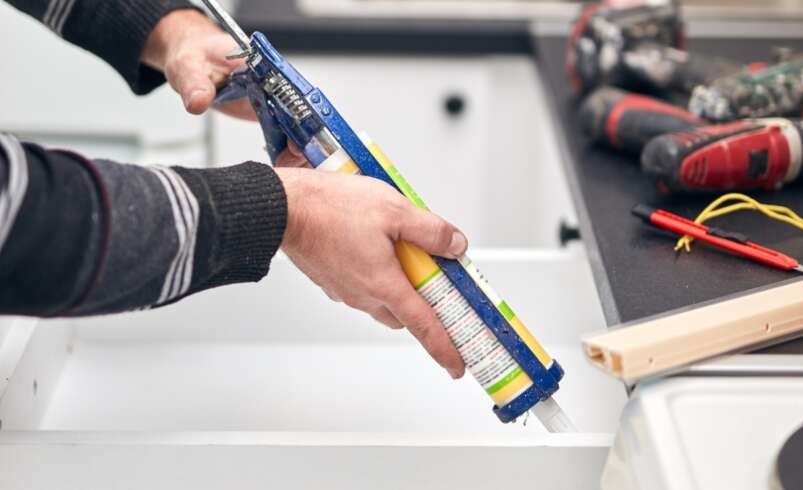
A clean finish requires control throughout the application process. The sealant should be applied consistently along the joint rather than in short, uneven sections. Maintaining steady pressure helps create a uniform bead.
After application, the bead needs to be tooled or smoothed appropriately. The aim is to create a neat transition between the skirting and wall without leaving excessive product on either surface.
Too much sealant can result in a raised or bulky appearance, while too little may fail to close the joint properly. Consistency is particularly important in long hallways and open-plan areas where imperfections can be easily noticed.
The surrounding surfaces should also be protected from unnecessary smearing. Taking time to maintain clean edges can significantly improve the final appearance.
Avoiding Excessive Caulk
A common mistake during skirting work is assuming that more sealant will produce a better result. In reality, excessive caulk can make the joint look uneven and can create additional work during finishing.
The sealant should be sufficient to fill the appropriate joint without creating an unnecessarily thick layer. Large gaps should be assessed before application because they may require a different preparation method.
A professional finish is generally about precision rather than quantity. The best results come from applying the right amount of material in the right location and finishing it carefully.
Dealing With Painted Skirting Boards
Caulking around previously painted skirting boards requires additional care. The condition of the existing paint should be checked before sealing. If the paint is peeling or poorly bonded, applying sealant over it may not provide a reliable result.
Once the joint has been prepared, the caulk can be applied with attention to the existing painted surfaces. After curing, the area may be painted where the selected sealant is suitable for painting.
Colour selection also matters. White caulk is frequently used with white skirting, but the most suitable choice depends on the existing interior colour scheme and the desired finish.
Skirting Boards and Flooring Gaps
Skirting boards are also commonly associated with flooring transitions. When flooring is replaced, a small gap may remain between the flooring and skirting. Whether this gap should be caulked depends on the flooring type, installation requirements and expected movement.
It is important not to seal areas that require movement or expansion clearance. Some flooring systems need room to expand and contract, and incorrectly sealing these spaces can interfere with the flooring system.
For this reason, caulking should be applied selectively. The objective is to improve the appearance and performance of appropriate joints without compromising the function of the flooring installation.
Why Professional Caulking Can Make a Difference
Caulking may appear simple, but achieving consistently neat results requires preparation, product knowledge and practical experience. Long, visible joints can quickly highlight inconsistencies such as uneven beads, rough corners or excessive sealant.
Professional residential caulking services can be useful when multiple rooms require attention or when a property is undergoing renovation, repainting or finishing work. Experienced professionals can assess the condition of the joints, prepare the surfaces and apply sealant with greater consistency.
For larger properties, completing the work systematically can also help ensure that the finish remains visually consistent from one room to another.
Interior Areas That May Benefit From Caulking
Skirting boards are only one part of an interior where appropriate sealant can improve the finished appearance. Depending on the property, other suitable joints may include architraves, door frames, internal wall junctions and selected areas around built-in features.
This broader approach is one reason Internal Caulking Services can be valuable during renovation projects. Instead of treating isolated imperfections individually, the interior can be assessed as a whole to identify joints that require sealing or finishing.
Care should always be taken to distinguish decorative joints from areas that require a specific construction or waterproofing solution. Not every gap should be filled with standard interior caulk.
Maintenance and Long-Term Results
Even a well-finished caulked joint can eventually require maintenance. Building movement, renovation work, impact, moisture and general ageing can affect sealant over time.
Homeowners should periodically inspect skirting joints for cracking, separation, discolouration or deterioration. Identifying problems early can make repairs easier and help prevent minor defects from becoming more noticeable.
Cleaning should also be performed gently. Harsh methods or excessive force around sealed joints can damage the finish. Where a joint has clearly failed, removing the damaged material and preparing the surface correctly is generally more effective than repeatedly adding new sealant over the top.
When to Consider Professional Help
Small interior caulking tasks may seem straightforward, but larger projects can become time-consuming. If multiple rooms have uneven joints, extensive cracking or deteriorated sealant, professional assistance can provide a more consistent result.
Professional internal sealant services can be particularly useful before painting or completing a renovation because imperfections are often more visible once new paint has been applied. Addressing joints beforehand can help create a cleaner overall finish.
For homeowners seeking Caulking Skirting Sydney, selecting a service experienced with Australian residential interiors can also make it easier to manage the preparation, application and finishing stages as part of one project.
Final Thoughts
Caulking skirting boards is an important finishing step that can significantly improve the appearance of an interior. Common issues such as gaps, cracks, uneven walls and open corners can make a newly renovated room look unfinished, but careful preparation and correctly applied sealant can create a smoother and more cohesive result.
The key to a clean finish is not simply applying caulk to every visible gap. The joint should first be assessed, the surface properly prepared and the correct sealant selected for the application. Controlled application, careful smoothing and appropriate curing time are equally important. When these steps are handled correctly, skirting boards can blend more naturally with the surrounding walls and contribute to a polished interior.
Whether you are renovating a single room or completing a larger residential project, professional Caulking Skirting, Interior Caulking and Residential Caulking Services can help achieve a consistent finish. For reliable interior caulking solutions and more information about available services, visit The Australian Caulking Company.