
A well-maintained home depends on more than attractive interiors and reliable heating equipment. The insulation hidden above the ceiling plays an important role in how the property responds to changing outdoor temperatures. In Denver, where winter cold and summer heat can place different demands on residential buildings, an attic that lacks proper insulation may contribute to uncomfortable rooms and unnecessary energy use. Understanding how this part of the home performs can help homeowners make more informed decisions about maintenance and energy improvements.
Insulation Nation specializes in residential insulation solutions designed around the needs of Colorado homes. For homeowners exploring Attic Insulation in Denver CO, the first step is understanding the relationship between insulation coverage, air movement, ventilation, and indoor comfort. A carefully planned improvement can help reduce unwanted heat transfer and create a more consistent indoor environment without relying entirely on heating and cooling equipment to compensate for insulation problems.
How Attic Insulation Supports a Comfortable Home?
The attic separates the living space from the roof and outdoor environment. When insulation is insufficient or unevenly distributed, heat can move through the ceiling more easily. During winter, this may contribute to heat loss, while summer conditions can increase the amount of heat entering rooms beneath the roof.
These effects can be especially noticeable in upstairs bedrooms, converted attic spaces, and rooms that receive substantial afternoon sunlight. Homeowners may find that temperatures vary significantly between floors or that the heating and cooling system runs frequently to maintain the desired indoor setting.
Effective insulation slows heat transfer and helps the building maintain more stable temperatures. It can also reduce heating and cooling demand, although actual energy savings depend on the home’s construction, existing insulation, air leakage, and other factors. A professional assessment helps determine which improvements are likely to offer the greatest practical value.
Why Denver Homes Need a Thoughtful Insulation Plan?
Colorado’s climate creates several considerations for residential insulation. Cold winter nights can increase heating demands, while sunny summer days can warm roofs and attic spaces. Temperature fluctuations also make moisture management and proper ventilation important parts of the overall building strategy.
A home built several decades ago may have insulation that no longer meets the household’s comfort needs. Previous remodeling work can also leave gaps where insulation was moved or never replaced. Even a newer property may benefit from an inspection if certain rooms feel consistently uncomfortable or if air leaks are suspected. When evaluating Attic Insulation in Denver CO, homeowners should consider the building’s age, attic layout, existing insulation depth, and any evidence of moisture damage. The objective is to develop a solution suited to the property rather than applying the same installation method to every house.
Understanding Different Attic Insulation Materials
Insulation materials vary in their composition, installation requirements, and suitability for different attic designs. Selecting the right option depends on accessibility, existing materials, required thermal performance, and the condition of the space. Blown-in fiberglass is often used in existing homes because it can cover large attic-floor areas and reach irregular spaces. Cellulose is another option commonly considered for retrofit projects. Both require appropriate installation depth and even distribution to provide consistent coverage.
Fiberglass batts may work well in accessible spaces with regularly spaced framing. However, they must fit properly without gaps or compression. Poor installation can leave sections of the building less protected, even when the material itself is suitable. Homeowners should ask a contractor to explain the advantages and limitations of each recommended material. A clear proposal should identify the product, installation method, expected coverage, and any preparation needed before work begins. These details make it easier to compare options based on performance and long-term value rather than price alone.
Addressing Air Leaks Before Adding Insulation
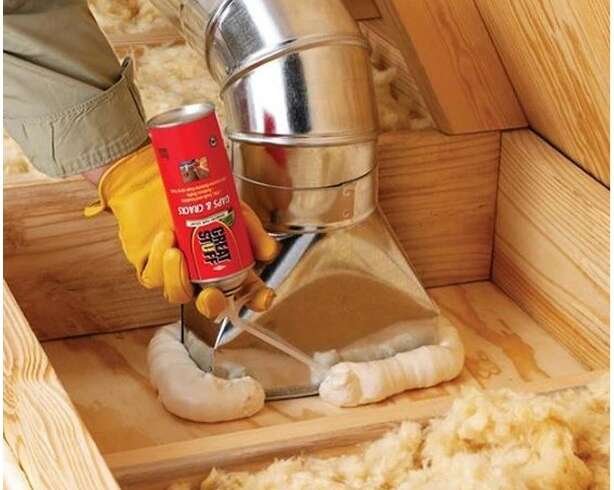
Insulation slows heat transfer, but it does not automatically stop air from passing through openings in the building envelope. Gaps around wiring, plumbing, ceiling fixtures, and attic access panels can allow conditioned air to move into the attic. Air sealing targets suitable openings with materials designed for the location. Completing this work before installing additional insulation can help reduce drafts and improve the performance of the overall insulation system.
Safety and ventilation must remain part of the plan. Openings near chimneys, heat-producing equipment, and electrical components require appropriate materials and installation practices. Contractors should also preserve required ventilation pathways and address moisture concerns where necessary. For homeowners considering Attic Insulation in Denver CO, asking about air sealing during the initial assessment can help reveal whether insulation alone will address the property’s needs. Treating insulation and air leakage as connected but distinct issues can lead to a more complete improvement plan.
Signs Your Attic May Need Professional Attention
Homeowners do not need to enter the attic regularly to recognize every possible problem. Changes inside the house may indicate that a closer inspection is worthwhile. Rooms that remain cold during winter or become unusually warm in summer can suggest uneven insulation or air leakage. Visible gaps, compressed material, or areas where the ceiling is poorly covered may also indicate reduced thermal performance.
Moisture requires particular attention. Roof leaks, damp insulation, and unusual odors can signal conditions that should be investigated before additional material is installed. Covering wet or contaminated insulation without correcting the source may allow the underlying problem to continue. Unexplained increases in energy use can also prompt a review of the home’s efficiency. However, utility bills alone cannot confirm an insulation problem because heating equipment, windows, weather, and household habits also affect energy consumption. A professional inspection can help separate likely insulation issues from other possible causes.
What to Expect From a Professional Insulation Assessment?
A useful insulation assessment begins with examining the property’s current condition. The contractor should evaluate insulation coverage, look for visible damage, identify potential air leaks, and consider whether ventilation or moisture problems need attention. After the inspection, homeowners should receive a clear explanation of the recommended work. The estimate should specify whether the project involves adding insulation, removing old material, sealing gaps, or addressing another concern. It should also explain the materials, expected scope, costs, and any applicable warranty.
Insulation Nation serves homeowners in Denver and surrounding metropolitan communities with residential insulation and air-sealing solutions. Its website describes home assessments and written estimates as part of its process, helping customers understand their options before work begins. When comparing contractors, homeowners should review relevant experience, insurance, installation methods, and the clarity of the written proposal. They can also ask whether their project qualifies for available utility incentives. Program rules and eligibility can change, so any potential rebate should be verified before it is included in a budget.
Maintaining Insulation Performance Over Time
After an insulation project is complete, protecting the attic from avoidable damage can help preserve its performance. Roof leaks should be repaired promptly, and signs of dampness or disturbed insulation should be investigated. Homeowners should avoid compressing insulation with heavy storage items or disturbing the material during unrelated maintenance work. If roofing, electrical, or ventilation work is performed later, the insulation should be checked to ensure that its coverage remains appropriate.
Periodic attention to indoor comfort can also be useful. If rooms begin experiencing temperature differences that were not previously present, a professional assessment may help identify whether insulation movement, air leakage, or another building issue is responsible. These practical measures support the long-term condition of the home and help homeowners recognize when further improvements may be necessary.
Conclusion
Attic insulation is an important part of maintaining a comfortable and energy-conscious home in Colorado. By evaluating existing materials, addressing air leaks, considering moisture management, and choosing suitable insulation products, homeowners can make improvements that reflect their property’s actual needs. A thoughtful plan can also help prevent unnecessary work and improve the consistency of indoor temperatures throughout the changing seasons.
Insulation Nation provides residential insulation solutions for homeowners in Denver and nearby communities. Exploring Attic Insulation in Denver CO with a qualified professional can help you assess your home’s current condition, compare suitable options, and develop a practical plan for better comfort and efficiency. Starting with a thorough inspection and a transparent estimate is a sensible way to make informed decisions about your home’s long-term performance.