
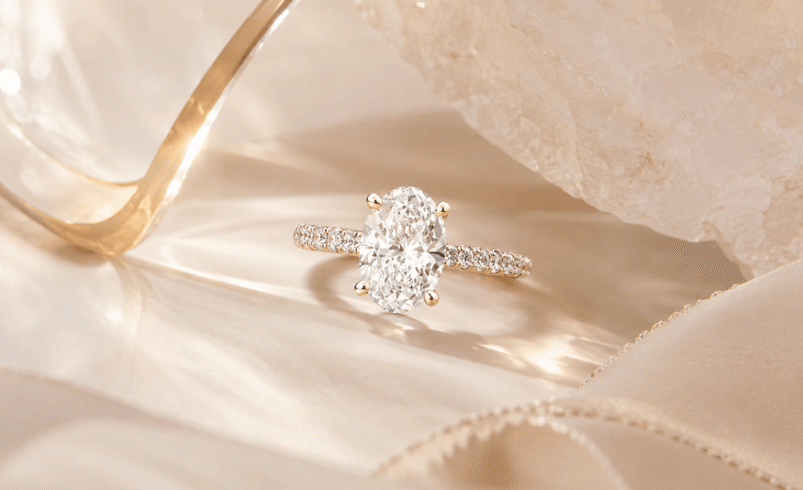

Diamonds have changed in shape, style, and popularity over the centuries, but some diamond cuts continue to attract attention across different generations. The oval shape is one of them. Its elongated outline offers a different look from traditional round diamonds while giving the stone plenty of visual presence. Today, oval lab grown diamond engagement rings have become a popular choice for shoppers who appreciate this distinctive shape and want a diamond created with modern technology.
The history of oval diamonds is closely connected to the development of diamond cutting. As cutters learned more about proportions, facets, and light performance, new shapes became possible. The oval cut eventually developed into a recognizable choice for jewelry, appearing in engagement rings and other diamond pieces.
Understanding how the oval shape developed also helps explain why it remains popular today. Its story is not simply about changing fashion. It is also about craftsmanship, personal taste, diamond proportions, and the way people have viewed jewelry through different periods.
The Early History of Shaped Diamonds
For much of diamond history, cutting techniques were relatively simple compared with those used today. Early diamonds were often shaped to preserve as much of the rough stone as possible. The goal was not always to create a specific outline. Instead, cutters worked with the natural shape of the rough diamond and the tools available at the time.
As diamond cutting improved, jewelers began experimenting with different outlines. Cushion, pear, marquise, and other shapes gradually became more recognizable. These developments created the foundation for the variety of diamond shapes available today.
The oval shape emerged from this broader development in diamond cutting. It offered an alternative to the perfectly circular outline of a round diamond while maintaining a balanced appearance. Many modern buyers also explore more styles to find designs that combine brilliance, comfort, and timeless appeal.
How the Oval Cut Developed
The oval cut as it is commonly recognized today became established during the 20th century. One of the important figures associated with its development was Lazare Kaplan, a diamond cutter known for working with rough stones that had unusual proportions.
The oval shape provided an opportunity to transform certain rough diamonds into attractive finished stones. Instead of cutting away large amounts of material to create a round shape, an elongated outline could sometimes provide a better use of the rough.
This practical advantage was only part of the story. The oval outline also appealed to people who wanted something different from the traditional round shape.
As cutting techniques continued to improve, oval diamonds became more refined. Cutters paid greater attention to length, width, facet arrangement, and symmetry. These factors helped create the oval appearance that shoppers recognize today.
Why Oval Diamonds Became Popular
The appeal of oval diamonds comes from several characteristics working together. Their elongated shape can create the impression of a larger face-up surface compared with a round diamond of similar weight. The shape can also make a finger appear longer when worn in an engagement ring.
Another reason for their popularity is their balance between familiarity and individuality. An oval diamond has the brightness associated with a brilliant-style cut, but its outline is noticeably different from a round diamond.
This combination has helped the shape move through different periods without becoming tied to only one jewelry style.
Oval Diamonds in Engagement Jewelry
Engagement rings have always reflected changing preferences. During some periods, round diamonds dominated the market, while other generations showed greater interest in fancy shapes.
Oval diamonds found a place within this changing landscape because they could work with many different jewelry designs. The center stone could remain the main focus while the rest of the ring was kept simple.
The oval diamond also became associated with a refined and graceful appearance without requiring an overly complicated design. This made it suitable for people who wanted a noticeable center stone while still keeping the overall ring easy to wear.
For shoppers comparing an oval diamond engagement ring, the shape often becomes one of the first things to consider. From there, attention can move toward carat weight, color, clarity, proportions, and the overall design of the ring.
Changing Preferences in the 20th Century
Jewelry trends changed considerably throughout the 20th century. Different decades brought different preferences in metal colors, diamond shapes, band designs, and overall ring proportions.
Oval diamonds benefited from this flexibility. They could be paired with white metals during periods when those finishes became popular, while they could also work naturally with yellow gold and other traditional choices.
As diamond grading became more standardized, consumers gained access to more information about the characteristics of individual stones. Shoppers could compare measurements, proportions, color grades, clarity grades, and certification details before making a purchase.
This shift made diamond selection more informed. Instead of choosing only according to appearance in a jewelry store, buyers could study specific details about a diamond before making a decision.
The Importance of Oval Diamond Proportions
One of the biggest developments in the way people shop for oval diamonds is the attention given to proportions.
Unlike a simple circular measurement, an oval diamond has both length and width. The relationship between these measurements is known as the length-to-width ratio.
For example, a narrower oval may have a more elongated appearance, while a wider oval can look fuller. Neither choice is automatically better. The preferred ratio depends on personal taste.
Symmetry is another important consideration. The two sides of the oval should appear balanced, and the outline should look consistent from one end to the other.
The facet arrangement also influences how the stone handles light. Some oval diamonds display a noticeable dark area across the center, commonly called a bow-tie effect. This appearance varies from stone to stone, so viewing the individual diamond is useful when making a choice.
Oval Diamonds and the Rise of Lab Grown Options
The diamond market has changed again with the wider availability of laboratory-grown diamonds. Lab grown diamonds have the same basic chemical composition and crystal structure as diamonds formed naturally, although their origins are different.
This development has expanded the number of choices available to diamond shoppers. People who like the oval shape can now compare naturally formed diamonds with laboratory-grown alternatives according to their preferences, budget, and buying priorities.
The popularity of lab grown oval diamond engagement rings reflects this broader change in the jewelry market. Buyers can focus on the shape they like while also considering factors such as certification, proportions, color, clarity, and carat weight.
For shoppers who are already interested in oval diamonds, laboratory-grown options provide another category worth comparing.
Why Oval Lab Grown Diamonds Appeal to Today’s Buyers
The growth of laboratory-grown diamonds has changed how many people approach engagement ring shopping. Instead of thinking only about whether a diamond is natural or lab grown, shoppers can also spend more time considering the individual qualities of the stone.
With oval diamonds, this can be especially useful because two stones with the same carat weight may look quite different due to their proportions and facet patterns.
When comparing oval lab grown diamond engagement rings, buyers can look closely at the diamond’s measurements, certification, color, clarity, and visual appearance. The setting and metal can then be selected to complement the center stone.
Antiquecut offers shoppers another place to explore oval lab grown diamond choices while comparing different diamond characteristics and ring designs.
How Oval Trends Have Changed
The popularity of oval diamonds has not followed one straight path. Jewelry preferences naturally move through cycles. Certain diamond shapes become highly visible for a period, while others become less common before returning to attention.
Oval diamonds have benefited from their ability to fit different preferences. They can appear delicate when paired with a smaller stone and simpler band, or more prominent when used with a larger center diamond.
Another change has been the growing interest in personal style. Many buyers no longer feel that an engagement ring needs to follow one traditional formula. Instead, they look for a diamond shape that feels appropriate for their personality and daily lifestyle.
This has helped create space for shapes such as oval, pear, emerald, marquise, and cushion cuts alongside the classic round diamond.
Oval Diamonds in the Current Jewelry Market
Today, shoppers have more information available than previous generations. Online diamond listings make it possible to compare multiple stones from different sellers. Certification reports can provide information about grading, while high-resolution images and videos can help shoppers inspect the stone before purchasing.
For oval diamonds, this information is particularly helpful. Buyers can compare length-to-width ratios, measurements, carat weights, color grades, clarity grades, and other characteristics.
The current market also gives buyers more flexibility in choosing between natural and laboratory-grown diamonds. This means the decision can be based on a wider range of personal preferences rather than relying on one traditional standard.
What to Look For When Choosing an Oval Diamond
When selecting an oval diamond, the first consideration should be whether you like the overall shape. After that, several details deserve attention.
Length-to-width ratio: Decide whether you prefer a narrow, elongated oval or a wider outline.
Symmetry: Check whether both sides of the stone look balanced.
Bow-tie appearance: Examine the center of the diamond to see how noticeable any dark area is.
Color: Oval diamonds can sometimes show body color more readily than round diamonds, making color selection worth considering.
Clarity: Look at the stone as a whole rather than focusing only on the written grade. The location and visibility of inclusions matter.
Carat weight: Consider how the diamond’s measurements translate into its face-up appearance rather than relying only on carat weight.
Certification: A reliable grading report provides useful information about the diamond’s characteristics.
These points can help shoppers make a decision based on the individual diamond rather than choosing solely by shape or carat weight.
The Continuing Appeal of the Oval Shape
The history of oval diamonds shows how jewelry preferences can evolve while certain shapes remain relevant. From the early development of shaped diamond cutting to the increasing availability of laboratory-grown stones, the oval has adapted to changing consumer interests.
Its elongated outline offers a distinct alternative to round diamonds, while its brilliant-style faceting provides the lively appearance many diamond buyers want. The shape also provides plenty of room for personal choices in proportion, size, metal, and overall ring design.
As more shoppers research diamonds before purchasing, the oval shape is likely to remain part of the wider conversation around engagement jewelry.
Conclusion
Oval diamonds have traveled a long way from the early development of shaped diamond cutting to today’s highly varied jewelry market. Their distinctive outline, flexible proportions, and ability to work with different designs have helped them remain popular across generations.
The arrival of lab grown diamonds has added another option for people interested in this shape. Oval lab grown diamond engagement rings allow shoppers to explore the oval form while comparing diamond quality, proportions, certification, and budget.
Whether someone prefers a narrow oval or a wider shape, the most important choice is finding a diamond that looks right to them. By understanding the history and changing trends behind oval diamonds, buyers can make a more informed decision and choose a stone that suits their personal taste.