
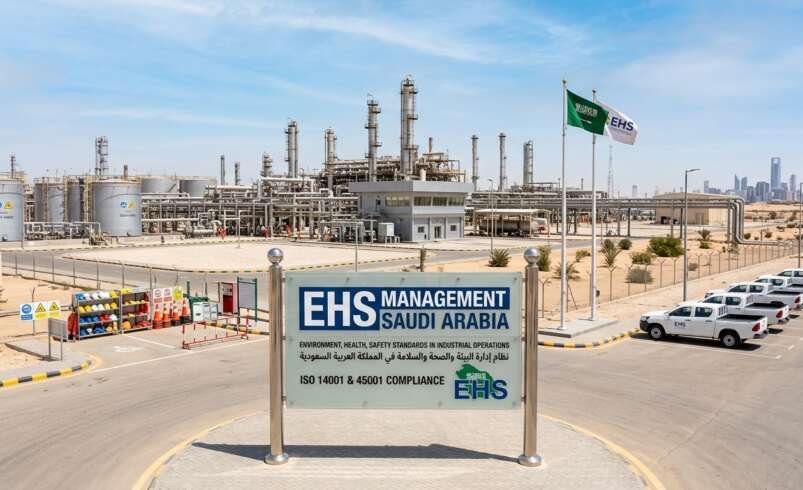

Businesses in Saudi Arabia need organized ways to manage workplace hazards, safety responsibilities, environmental requirements, and compliance activities. An EHS management system Saudi Arabia solution can bring these responsibilities together through a structured digital platform that helps employees report hazards, managers review risks, safety teams investigate incidents, and organizations maintain important records. I believe a well planned EHS system can make workplace safety easier to manage because information is available in one place rather than being divided between paper forms, spreadsheets, and separate applications. Manufacturing companies, construction businesses, warehouses, healthcare facilities, energy companies, logistics operations, and other organizations can use these systems according to their specific workplace requirements.
Workplace safety management involves more than responding after an accident. Organizations need to identify hazards, assess risks, establish controls, conduct inspections, investigate incidents, and monitor corrective actions. A suitable EHS platform can support these activities while helping businesses maintain more consistent records.
Why EHS Management System Saudi Arabia Matters
Organizations operating in Saudi Arabia may have different safety requirements depending on their industry, workforce, facilities, equipment, and operational activities. A system should therefore be configured according to the organization’s actual responsibilities.
An EHS management system can help businesses:
- Organize safety information
- Record workplace incidents
- Manage identified hazards
- Assess workplace risks
- Schedule inspections
- Track corrective actions
- Maintain compliance records
We can manage safety responsibilities more consistently when employees and managers work with the same information.
A centralized platform can also make it easier to identify incomplete tasks and review safety information across different departments or facilities.
EHS Software Saudi Arabia Supports Safety Operations
EHS software Saudi Arabia solutions can provide digital tools for managing environmental, health, and safety activities.
Common functions may include:
- Hazard reporting
- Incident management
- Risk assessment
- Safety inspections
- Audit management
- Compliance tracking
- Corrective action management
You can use these tools to organize daily safety processes without depending entirely on manual paperwork.
I believe usability should be an important consideration when selecting software. Employees need to be able to report hazards and complete inspections without unnecessary steps.
Workplace Safety Software for Employees
Workplace safety software helps employees participate directly in safety activities.
Depending on the platform, workers may be able to:
- Report hazards
- Submit near miss reports
- Complete inspections
- Record safety observations
- Upload photographs
- Update assigned actions
When employees can report concerns from the location where they occur, information can reach supervisors more quickly.
We should also make sure employees understand how reports are reviewed and what happens after a concern is submitted. This can encourage more consistent participation.
EHS Management Software for Risk Control
EHS management software can connect different safety processes within one system.
A business may use the platform to manage:
- Risk registers
- Incident records
- Inspection schedules
- Compliance tasks
- Training records
- Corrective actions
You can review the status of different safety activities without searching through separate files.
I find this particularly useful for organizations with multiple locations because safety teams can maintain centralized records while still allowing individual facilities to manage their own activities.
Safety Management System and Workplace Protection
A safety management system provides a structured approach to identifying and controlling workplace risks. It includes policies, procedures, responsibilities, monitoring, and review processes.
Digital EHS tools can support these activities by providing:
- Safety procedures
- Risk assessments
- Inspection records
- Incident reports
- Training information
- Corrective action tracking
We should remember that software is only one part of a safety management system. Employees, supervisors, safety professionals, and management all have responsibilities.
A digital platform works best when it supports clear procedures and helps people complete their responsibilities consistently.
Workplace Risk Management
Workplace risk management involves identifying hazards, evaluating their potential impact, applying appropriate controls, and reviewing whether those controls remain effective.
An EHS system can help organizations record:
- Hazard information
- Risk level
- Existing controls
- Additional controls
- Responsible employee
- Review date
- Current status
You can prioritize higher risk activities and monitor whether required actions have been completed.
Risk assessments should also be reviewed when processes change, new equipment is introduced, or working conditions are significantly different from the original assessment.
Environmental Health and Safety Software
Environmental health and safety software can bring environmental and workplace safety responsibilities together.
Environmental functions may include:
- Environmental inspections
- Waste records
- Permit information
- Environmental incidents
- Compliance documentation
- Environmental reports
Organizations can use the same platform to maintain records related to both environmental and safety activities where appropriate.
I believe centralized records can reduce duplicate work, particularly when environmental and safety responsibilities are managed by the same team.
Incident Management Software
Incident management software provides a structured process for recording and investigating workplace events.
Employees may report:
- Workplace injuries
- Near misses
- Property damage
- Equipment incidents
- Unsafe conditions
- Environmental incidents
After a report is submitted, safety professionals can investigate the event, record findings, identify contributing factors, and assign corrective actions.
We can learn more from incidents when information is recorded accurately and reviewed carefully rather than simply being stored as a completed form.
Hazard Management and Corrective Actions
Hazard identification is an important part of workplace safety. An EHS platform can provide a central record of identified hazards and their current status.
Hazard records may contain:
- Hazard description
- Location
- Risk rating
- Recommended action
- Responsible person
- Due date
- Completion status
You can track corrective actions until they are completed.
I believe this is one of the most useful functions because identifying a hazard has limited value if the organization does not follow through with appropriate action.
Safety Compliance Software
Safety compliance software can help organizations organize records related to applicable safety requirements.
It may support:
- Compliance schedules
- Regulatory records
- Required inspections
- Training documentation
- Safety procedures
- Corrective actions
- Compliance reports
Businesses should configure compliance functions according to the requirements applicable to their industry and operations in Saudi Arabia.
Software can help organize compliance activities, but it does not replace professional safety management or legal advice.
Digital Safety Inspections
Regular inspections help organizations identify unsafe conditions and verify whether workplace controls are functioning properly.
Digital inspection tools can provide:
- Standardized checklists
- Inspection schedules
- Mobile inspections
- Photo attachments
- Inspection findings
- Corrective actions
- Historical records
You can create consistent inspection procedures across multiple facilities while allowing teams to record location specific findings.
We can also compare previous inspection results to identify recurring problems.
Safety Training Management
Employee training is an important part of workplace risk control. Workers need suitable knowledge and skills for the tasks they perform.
An EHS system can maintain:
- Employee training records
- Course information
- Completion dates
- Expiration dates
- Certificates
- Required training
Managers can review these records to identify missing or upcoming training requirements.
I believe digital training records make it easier to confirm whether employees have completed required courses, especially in organizations with large workforces.
Mobile EHS Management in Saudi Arabia
Many employees in Saudi Arabia work outside traditional offices. Construction workers, maintenance teams, inspectors, warehouse employees, and field personnel may spend most of their time at operational locations.
Mobile EHS tools can allow authorized users to:
- Report hazards
- Submit incidents
- Complete inspections
- Upload photographs
- Review assigned tasks
- Update corrective actions
You can reduce delays when employees can enter information directly from the workplace.
The mobile interface should be simple because workers may need to report information while moving between different areas of a facility.
Reporting and Safety Analytics
EHS platforms can turn stored information into reports that help managers review workplace safety performance.
Reports may include:
- Incident statistics
- Near miss activity
- Risk levels
- Inspection completion
- Corrective action status
- Training completion
- Compliance activities
We can make better operational decisions when reports provide clear information about actual workplace conditions.
For example, repeated incidents in one department may indicate a need for additional training, equipment changes, process improvements, or another risk assessment.
Cloud Based EHS Management System
Cloud based systems can provide authorized users with access to safety records from different locations.
Potential benefits include:
- Centralized information
- Remote access
- Data backups
- System updates
- Multi location support
This can be useful for businesses operating several facilities across Saudi Arabia.
However, organizations should review security controls, user permissions, backup procedures, and data management practices before selecting a cloud platform.
Integration With Business Systems
Modern EHS systems can sometimes integrate with other business applications.
Possible integrations include:
- Human resources systems
- Maintenance software
- Asset management platforms
- ERP systems
- Document management systems
- Training platforms
Integration can reduce duplicate data entry and help different departments work with consistent information.
For example, employee information from an HR system may support training records within the EHS platform.
Choosing an EHS Management System in Saudi Arabia
Every organization has different safety requirements, so businesses should evaluate software based on their own operations.
Before selecting a solution, consider:
- Industry requirements
- Number of employees
- Number of facilities
- Mobile functionality
- Risk management tools
- Incident management
- Inspection capabilities
- Compliance tracking
- Reporting
- Integration options
- Data security
- Customer support
You should test important workflows before implementation. Try reporting a hazard, submitting an incident, completing an inspection, assigning a corrective action, and generating a report.
I believe practical testing gives organizations a clearer idea of whether the software will work for employees in their normal working environment.
Employee Participation and Management Support
Technology cannot manage workplace safety on its own. Employees need clear procedures, supervisors need to review reported concerns, and management needs to provide suitable resources.
Employees should know that their reports are taken seriously and that identified issues will be reviewed.
We can create stronger safety processes when employees, supervisors, safety professionals, and senior management work together using reliable information.
Training is also important. Employees should understand how to use the system and when they are expected to report hazards, incidents, observations, and completed actions.
Future of EHS Management Systems in Saudi Arabia
EHS technology is expected to continue developing through automation, artificial intelligence, predictive analytics, mobile applications, connected devices, and improved reporting.
Future systems may help organizations identify patterns in incidents, prioritize risks, automate routine reminders, and connect safety information with equipment and operational records.
Businesses may also use connected workplace devices to provide additional information about equipment conditions and environmental factors where appropriate.
I believe the most valuable developments will be practical tools that reduce administrative work while giving safety teams clearer information about workplace conditions.
Organizations should evaluate new technologies according to their actual risks rather than adopting features simply because they are available.
Final Thoughts
An EHS management system Saudi Arabia solution can provide organizations with a structured way to manage workplace safety, risks, hazards, incidents, inspections, compliance activities, training, and corrective actions. Whether your organization needs EHS software Saudi Arabia, workplace safety software, EHS management software, a safety management system, workplace risk management tools, environmental health and safety software, incident management software, safety compliance software, or workplace safety management solutions, the right platform should support your actual operations and make important safety information easier to manage.
I believe effective workplace safety comes from combining suitable technology with clear procedures, regular inspections, employee training, active reporting, and responsible leadership. When we use an EHS management system to support these activities, organizations can maintain better records, identify workplace risks earlier, follow up on corrective actions, and create a more consistent approach to protecting employees and operations.