
Electric Vehicles Industries: A Complete Guide to India’s Growing EV Sector – YC electric Vehicles
Introduction
The Electric vehicles industries are transforming the way people and businesses think about transportation in India. With growing interest in cleaner mobility, lower running costs, and modern vehicle technology, electric vehicles are becoming an important part of the country’s transportation landscape. From electric scooters and passenger cars to commercial vehicles and battery-powered e-rickshaws, the industry offers a wide range of options for different customer needs.
India’s electric vehicle sector includes vehicle manufacturers, battery suppliers, component producers, charging infrastructure providers, distributors, and service businesses. Each segment plays a role in bringing electric mobility to customers. For entrepreneurs and buyers, understanding this industry can help identify suitable vehicles, evaluate manufacturers, and make better purchasing decisions.
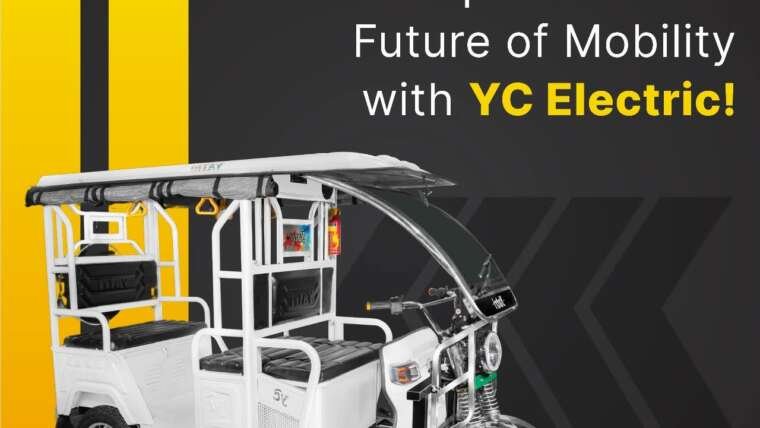
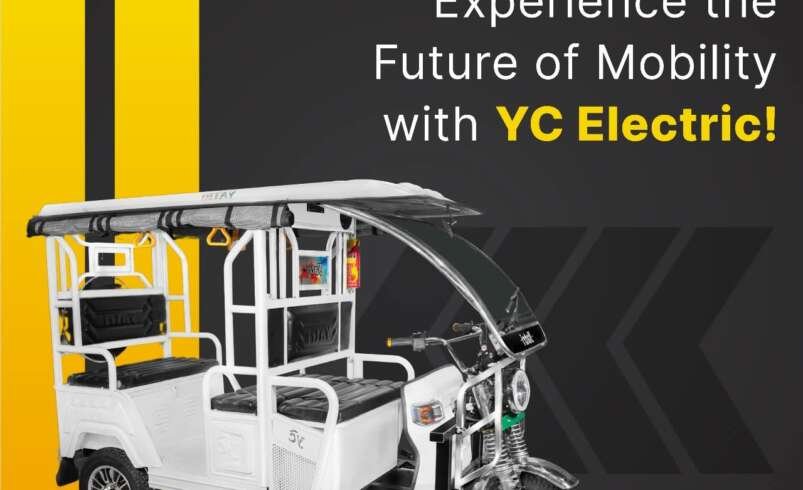
Electric three-wheelers are an important part of this market because they serve local passenger transportation and short-distance cargo delivery. Businesses such as YC Electric Vehicles, established in 2014 and based in Khyala, New Delhi, are among the companies buyers can explore when researching battery-powered e-rickshaws.
This guide explains the main segments of India’s electric vehicle industry, the factors shaping its development, and how buyers can evaluate manufacturers and suppliers.
What Are the Electric Vehicles Industries?
The electric vehicle industry covers the businesses, technologies, and services involved in developing, producing, selling, charging, and maintaining vehicles powered wholly or partly by electricity.
Unlike conventional vehicles that rely primarily on petrol or diesel engines, battery-electric vehicles use electric motors and rechargeable batteries for propulsion. Their operating costs, charging requirements, performance, and maintenance needs depend on the vehicle design and how it is used.
Major Segments of the EV Industry
Electric two-wheelers: Electric scooters and motorcycles serve daily commuters, students, delivery workers, and other riders looking for personal transportation.
Electric passenger cars: These vehicles are designed for personal travel, family transportation, and business use.
Electric commercial vehicles: Electric vans, buses, and trucks can support passenger transport, logistics, public transportation, and commercial fleets.
Electric three-wheelers: Passenger e-rickshaws, electric auto-rickshaws, and cargo loaders support local mobility and short-distance goods movement.
Charging and battery services: Battery technology, charging equipment, installation, maintenance, and recycling services support the wider EV ecosystem.
Each segment has different technical requirements. For example, a family purchasing an electric car may prioritise comfort and driving range, while a commercial operator may focus on running costs, payload, reliability, and service availability.
How India’s Electric Vehicle Industry Is Developing
India’s EV market brings together manufacturers, suppliers, technology businesses, dealers, and service providers. The growth of this ecosystem creates opportunities for businesses while giving customers more vehicle categories to consider.
Increasing Interest in Cost-Efficient Transportation
For drivers and business owners, operating expenses are an important part of vehicle ownership. Electric vehicles may reduce spending on energy and certain maintenance items compared with conventional vehicles, although actual savings depend on purchase price, electricity costs, battery life, usage, and maintenance.
Commercial users should calculate the total cost of ownership rather than making decisions based only on the vehicle’s advertised price.
Development of Vehicle Technology
Battery systems, electric motors, control electronics, charging equipment, and vehicle design are important areas of development. Improvements in these areas can influence vehicle performance, charging convenience, reliability, and operating costs.
Buyers should compare the actual specifications of individual models rather than assuming that all electric vehicles offer the same range or charging performance.
Opportunities for Dealers and Entrepreneurs
The EV ecosystem includes opportunities in vehicle distribution, charging services, maintenance, replacement components, and fleet operations. However, starting a business requires careful planning.
Entrepreneurs should research local demand, customer budgets, competition, supplier reliability, and applicable regulations before investing.
The Role of Electric Three-Wheelers in India’s EV Market
Electric three-wheelers are useful for many local transportation and commercial applications. Passenger e-rickshaws can support short-distance journeys, while cargo loaders are designed to carry goods within markets, residential areas, and delivery routes.
An e rickshaw company in India may offer different vehicle models to meet these needs.
Passenger E-Rickshaws
Passenger models are commonly used for local travel and last-mile connectivity. When comparing vehicles, buyers should examine seating arrangements, approved passenger capacity, braking components, suspension, ease of entry, and suitability for their usual routes.
Electric Cargo Loaders
Cargo models are intended for goods transportation. Retailers, wholesalers, delivery operators, and other businesses may consider them for local distribution.
Important factors include rated payload, cargo dimensions, battery and motor specifications, charging requirements, and access to replacement parts. Buyers should always follow the manufacturer’s stated load limits.
Choosing a Suitable Manufacturer
When researching an Electric rickshaw company in India, compare the vehicle range, technical specifications, warranty terms, and after-sales support. A suitable company should provide clear product information so customers can understand whether a vehicle meets their requirements.
The best choice will depend on the customer’s budget, operating conditions, and intended use.
Understanding Electric Vehicle Manufacturers and Suppliers
The EV industry includes businesses with different responsibilities. Understanding these roles helps customers know whom to contact for product information, purchasing, distribution, and service.
Electric Vehicles Manufacturing Companies
An Electric vehicles manufacturing company may design, produce, or assemble vehicles for personal or commercial transportation. Some businesses specialise in one category, while others offer multiple types of electric vehicles.
When comparing manufacturers, review their available models, technical documentation, quality-control processes, warranty arrangements, and service network. Do not assume that a company focused on electric cars or two-wheelers also produces electric three-wheelers.
Electric E-Rickshaw Manufacturers in India
Electric e rickshaw manufacturers in India focus on battery-powered three-wheelers for passenger or cargo applications. Buyers should ask about the vehicle’s specifications, rated capacity, battery compatibility, charging requirements, and warranty coverage.
Comparing models intended for similar workloads will make it easier to assess their suitability.
E-Rickshaw Suppliers in India
Suppliers distribute vehicles to individual buyers, dealers, and fleet operators. They may help customers compare available models and coordinate orders.
When comparing e rickshaw suppliers in India, confirm pricing, stock availability, delivery timelines, payment terms, and the process for handling issues after delivery.
Electric Auto-Rickshaw Manufacturers
An electric auto rickshaw manufacturer in India may focus on electric three-wheelers for passenger transportation or commercial use. Buyers should verify the exact vehicle category and confirm that the model meets the requirements applicable to its intended operation.
Why YC Electric Vehicles Is Worth Exploring
YC Electric Vehicles is an Indian business established in 2014 and headquartered in Khyala, New Delhi. The company focuses on battery-powered e-rickshaws and offers vehicle options for customers researching electric three-wheelers.
For buyers exploring an electric e rickshaw company in India, the company’s official website provides useful starting points for learning about its background and vehicle range.
- Company background: Visit the About YC Electric Vehicles page.
- Available models: Browse the YC Electric Vehicles vehicle range.
- Yatri Super: Explore the Yatri Super vehicle page.
- Yatri Cart: Learn more on the Yatri Cart page.
- Product enquiries: Use the contact page to request further information.
Before making a purchase, confirm current specifications, pricing, availability, warranty conditions, and service arrangements directly with the company or an authorised seller.
How to Evaluate EV Companies Before Buying
Online searches for Top EV manufacturing companies in India can help buyers discover brands and vehicle categories. However, a general ranking may not reflect the needs of a particular customer.
A company that manufactures electric cars may not be the most relevant option for someone seeking an e-rickshaw. Buyers should compare businesses within the vehicle category they need.
A Practical Buying Checklist
Before choosing a manufacturer, consider these factors:
- Product suitability: Does the company offer a vehicle designed for your intended use?
- Technical specifications: Are battery, motor, capacity, and charging details clearly provided?
- Operating costs: Can you estimate energy, maintenance, and battery-related expenses?
- Warranty and service: Are the terms clear, and is support available in your area?
- Documentation: Can the seller provide the required vehicle records and applicable approvals?
- Parts availability: Can you obtain common replacement components when needed?
- Customer feedback: Is there credible information from existing buyers?
People searching for the Best E Rickshaw Company in India should also compare the vehicle’s long-term suitability, not just the initial price.
Similarly, the phrase Top 5 e rickshaw company in India is a popular search term, but online lists may use different criteria. Treat rankings as a starting point for research rather than a guarantee of quality.
Opportunities Across the Electric Vehicle Industries – ycevehicles
The EV ecosystem offers opportunities beyond manufacturing vehicles. Battery services, charging infrastructure, component distribution, vehicle maintenance, and dealership operations all support the wider market.
Charging and Battery Support
Charging access is an important consideration for private and commercial EV users. Before purchasing, assess where the vehicle can be charged, how long charging takes, and whether the arrangement suits its daily schedule.
Battery warranty and replacement costs should also be considered when calculating long-term expenses.
Distribution and Dealerships
Businesses interested in vehicle distribution should research local demand, customer preferences, delivery arrangements, and supplier reliability. Clear written agreements can help reduce misunderstandings about pricing, warranty claims, and delivery timelines.
Those exploring Top e rickshaw manufacturing in India should compare manufacturers on their actual products and support arrangements rather than relying only on promotional claims.
Maintenance and Spare Parts
Electric vehicles still require regular inspections and maintenance. Tyres, brakes, suspension, electrical components, and batteries may need attention depending on use.
Businesses offering maintenance or spare parts should understand the technical requirements of the vehicle categories they support and ensure that customers receive accurate product information.
Tips for Dealers and Fleet Operators
Dealers and fleet operators should assess the supplier relationship as carefully as the vehicle itself. Consistent communication and transparent terms can help businesses plan purchases and manage their operations.
Before placing an order:
- Request a written quotation with a clear breakdown of costs.
- Confirm the models, specifications, and quantities.
- Discuss delivery schedules and stock availability.
- Review warranty conditions and the process for reporting defects.
- Check local service coverage and spare parts availability.
- Clarify payment terms and any dealer agreement.
- Verify the required documentation before completing the purchase.
These steps can help businesses make better-informed decisions and reduce the risk of unexpected costs.
Conclusion
The Electric vehicles industries include vehicle manufacturing, batteries, charging services, distribution, maintenance, and other businesses that support electric mobility. As buyers explore this market, understanding the different vehicle categories and their practical requirements can help them make more informed choices.
For anyone considering an electric three-wheeler, focus on vehicle suitability, build quality, battery and motor specifications, operating costs, warranty coverage, and after-sales service. Manufacturers and suppliers should be compared on consistent criteria rather than broad rankings alone.
YC Electric Vehicles is one company to explore when researching battery-powered e-rickshaws in India. Review its available models, request current product details, and compare suitable options before purchasing. A careful approach can help individuals and businesses choose an electric vehicle that fits their transportation needs and budget.
Frequently Asked Questions (FAQs)
1. What do the electric vehicles industries include?
The EV industry includes electric vehicle manufacturing, battery technology, charging infrastructure, components, vehicle distribution, servicing, and related support businesses.
2. Which types of electric vehicles are available in India?
Common categories include electric scooters, motorcycles, passenger cars, buses, commercial vehicles, passenger e-rickshaws, and electric cargo loaders.
3. How do I choose an e-rickshaw manufacturer in India?
Compare vehicle specifications, build quality, battery and motor details, warranty conditions, service availability, spare parts, and total ownership costs. Select a model suited to your intended use.
4. What should dealers check before buying e-rickshaws in bulk?
Dealers should confirm pricing, order quantities, vehicle specifications, delivery schedules, warranty coverage, payment terms, documentation, and the availability of service support.
5. Where can I explore YC Electric Vehicles models?
Visit the official YC Electric Vehicles website or browse the vehicle range. Contact the company to confirm current models, prices, specifications, and availability.