
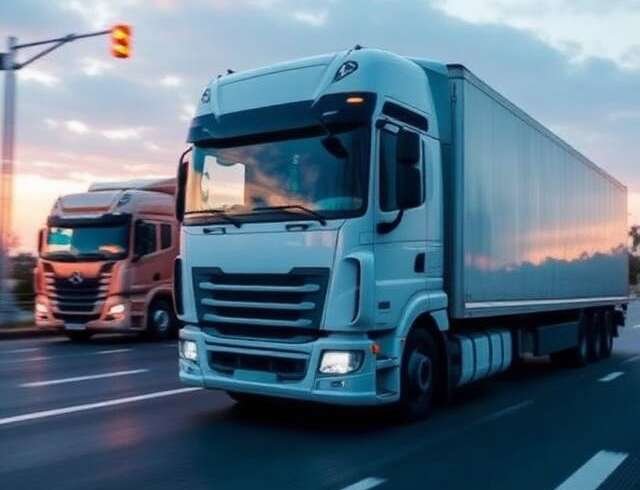

Modern supply chains are becoming increasingly complex as businesses manage global sourcing, changing customer expectations, transportation challenges, inventory pressures, and rapid digital transformation. Organizations need more than traditional logistics processes to remain competitive. They need advanced supply chain logistics strategies that connect planning, transportation, warehousing, inventory, fulfillment, and technology.
A combination of strategic expertise from a supply chain design consultant and the capabilities of a modern Logistics Technology Platform can help organizations create more agile, visible, and efficient supply chain networks. By combining consulting expertise with technology-driven insights, businesses can improve decision-making, reduce costs, and build supply chains that are prepared for future challenges.
What Is Advanced Supply Chain Logistics?
Advanced supply chain logistics refers to the use of sophisticated strategies, technologies, data, and processes to optimize the movement and management of goods across the supply chain.
Unlike traditional logistics approaches that may focus primarily on transportation and warehousing, advanced logistics considers the entire network and how different components interact.
Key areas include:
- Transportation optimization
- Warehouse and distribution planning
- Inventory optimization
- Demand forecasting
- Network design
- Order fulfillment
- Last-mile delivery
- Supplier coordination
- Real-time visibility
- Supply chain analytics
The objective of advanced supply chain logistics is to create an efficient and responsive network that can adapt to changing customer demand and market conditions.
Why Supply Chain Design Matters
Supply chain design determines how products, inventory, information, and resources move throughout an organization’s network. Decisions about warehouse locations, distribution centers, transportation routes, suppliers, and inventory positioning can have a significant impact on cost and customer service.
Poor network design can result in:
- Higher transportation costs
- Excess inventory
- Longer delivery times
- Inefficient warehouse utilization
- Limited supply chain visibility
- Increased operational risks
Strategic supply chain design helps businesses create a network that balances cost, service, flexibility, and resilience.
The Role of a Supply Chain Design Consultant
A supply chain design consultant helps organizations evaluate their existing logistics networks and develop strategies for improving performance.
Consultants can analyze factors such as:
- Distribution center locations
- Transportation costs
- Customer demand patterns
- Inventory positioning
- Supplier locations
- Warehouse capacity
- Order volumes
- Delivery requirements
- Service-level expectations
A supply chain design consultant may use modeling, analytics, scenario planning, and industry benchmarks to identify opportunities for network optimization.
For example, a business considering a new distribution center can evaluate multiple locations based on transportation costs, customer proximity, labor availability, warehouse expenses, and expected demand. This allows decision-makers to compare scenarios before making major investments.
What Is a Logistics Technology Platform?
A Logistics Technology Platform is a digital ecosystem that helps businesses manage, connect, and optimize logistics processes. It can integrate transportation, warehouse, inventory, order, and supply chain information into a centralized environment.
Depending on the organization’s requirements, a Logistics Technology Platform may include or integrate with:
- Transportation Management Systems (TMS)
- Warehouse Management Systems (WMS)
- Order Management Systems (OMS)
- Inventory management solutions
- Route optimization tools
- Shipment tracking platforms
- Analytics dashboards
- Enterprise Resource Planning (ERP) systems
- Application Programming Interfaces (APIs)
By connecting these systems, organizations can gain better visibility and make faster, data-driven decisions.
How Technology Supports Advanced Supply Chain Logistics
Technology is an essential component of advanced supply chain logistics because it enables organizations to collect, analyze, and act on operational data.
Modern technology can help businesses:
- Track shipments in real time
- Optimize transportation routes
- Monitor inventory levels
- Forecast demand
- Identify supply chain disruptions
- Automate repetitive processes
- Analyze logistics performance
- Improve warehouse productivity
For example, real-time shipment data can help logistics teams identify potential delays and take corrective action before they affect customers.
Combining Consulting Expertise with Technology
A supply chain design consultant provides strategic expertise, while a Logistics Technology Platform provides the digital infrastructure required to execute and monitor supply chain strategies.
When these capabilities work together, businesses can move from reactive logistics management to proactive supply chain optimization.
The process can involve:
- Assessing the existing network and identifying inefficiencies.
- Analyzing operational data to understand cost and performance drivers.
- Designing alternative supply chain scenarios based on business objectives.
- Selecting appropriate technology solutions to support the future network.
- Implementing technology integrations across logistics operations.
- Monitoring performance through real-time analytics.
- Continuously optimizing the network as demand and market conditions change.
This combination helps organizations align strategic planning with day-to-day execution.
Benefits of Advanced Supply Chain Logistics
Organizations that implement modern logistics strategies can achieve several operational benefits.
Reduced Transportation Costs
Optimized routes, better carrier management, and strategic distribution networks can help reduce unnecessary transportation expenses.
Improved Inventory Management
Better forecasting and inventory positioning can help businesses maintain appropriate stock levels while reducing excess inventory.
Faster Order Fulfillment
Efficient warehouse and transportation processes can shorten fulfillment cycles and improve delivery performance.
Greater Supply Chain Visibility
Connected technology provides businesses with better insight into inventory, orders, shipments, and logistics activities.
Improved Resilience
A well-designed supply chain can respond more effectively to supplier disruptions, demand fluctuations, transportation challenges, and other unexpected events.
The Role of Data and Analytics
Data is one of the most important resources in modern supply chain management. Businesses can use historical and real-time data to understand performance and identify opportunities for improvement.
Important metrics may include:
- Transportation cost per shipment
- On-time delivery rate
- Inventory turnover
- Warehouse utilization
- Order fulfillment time
- Freight cost
- Delivery accuracy
- Customer service levels
A Logistics Technology Platform can centralize these metrics and provide dashboards that help decision-makers monitor performance.
Meanwhile, a supply chain design consultant can interpret the information and translate operational data into strategic network improvements.
Technologies Driving Supply Chain Transformation
Several technologies are accelerating the development of advanced supply chain logistics, including:
Artificial Intelligence
AI can support demand forecasting, predictive analytics, route optimization, and anomaly detection.
Internet of Things
IoT devices can provide real-time information about shipments, vehicles, warehouses, and inventory.
Cloud Computing
Cloud-based platforms enable organizations to access logistics data and applications across multiple locations.
Automation
Warehouse and transportation automation can reduce manual processes and improve operational consistency.
Advanced Analytics
Analytics tools help organizations identify trends, measure performance, and evaluate potential supply chain scenarios.
These technologies can be integrated into a broader Logistics Technology Platform to create a connected supply chain environment.
Choosing the Right Supply Chain Technology
Organizations should carefully evaluate technology before implementing a new logistics platform. Important considerations include:
- Scalability
- System integration capabilities
- Real-time visibility
- Data security
- Automation features
- Analytics capabilities
- User experience
- Mobile accessibility
- Vendor support
- Total cost of ownership
The technology should support both current operational requirements and future business growth.
Building a Future-Ready Supply Chain
A future-ready supply chain requires continuous improvement rather than a one-time transformation. Businesses need to regularly evaluate their network, technology, customer expectations, and operational performance.
Working with a supply chain design consultant can help organizations identify opportunities for network optimization, while a Logistics Technology Platform can provide the visibility and tools required to manage ongoing operations.
This combination creates a foundation for advanced supply chain logistics that is flexible, data-driven, and scalable.
Conclusion
Advanced supply chain logistics, expert guidance from a supply chain design consultant, and a modern Logistics Technology Platform can help organizations transform complex logistics networks into more efficient and resilient operations. Consultants provide the strategic expertise needed to design optimized supply chain networks, while technology platforms connect data, systems, and processes to improve execution and visibility.
As customer expectations and market conditions continue to evolve, businesses that combine strategic supply chain design with advanced technology will be better positioned to reduce costs, improve service levels, respond to disruptions, and achieve sustainable long-term growth.