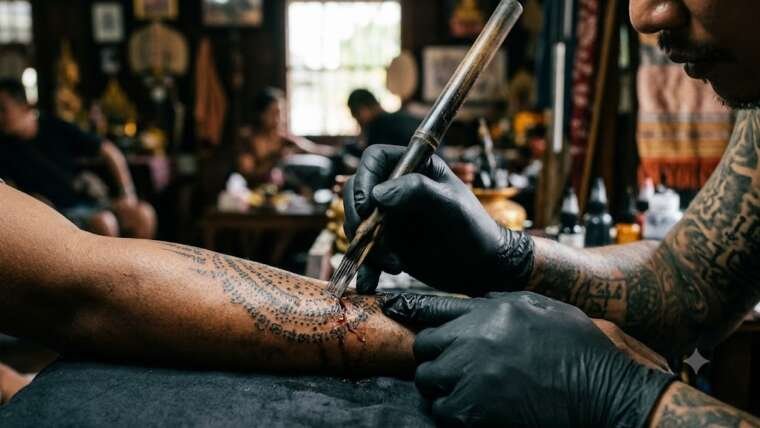

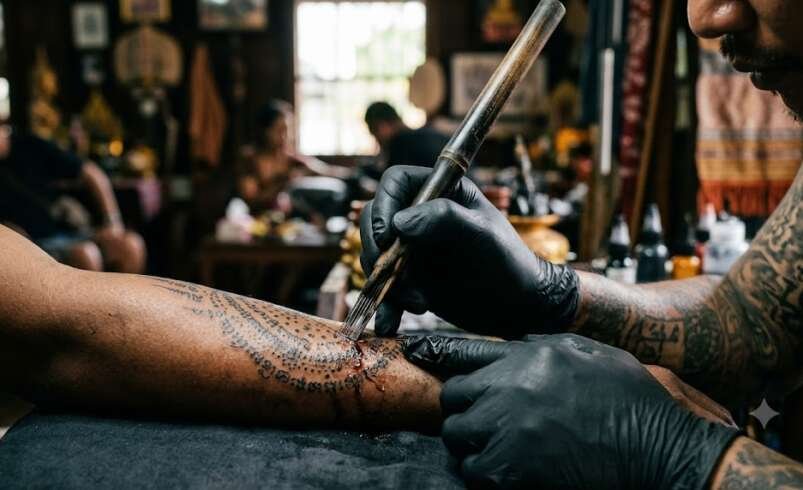

A traditional bamboo tattoo may be applied differently from a machine tattoo, but it still creates thousands of tiny openings in the skin. Proper care matters from the moment the session ends. Knowing what is normal—and what is not—can help protect the design, reduce irritation, and make recovery less stressful.
Is Bamboo Tattoo Healing Different?
Bamboo tattooing uses a hand-controlled tool to place ink beneath the skin through repeated tapping movements. Many people report less swelling or surface irritation than they experienced with machine tattooing. However, healing time varies according to the tattoo’s size, placement, detail, technique, and the person’s skin.
A well-applied bamboo tattoo Phuket visitors receive may begin settling within several days, but complete surface healing can take around two to three weeks. Deeper skin recovery continues after the tattoo looks healed. Treat any promise of “instant healing” with caution.
What to Expect During the First Week
Slight redness, warmth, tenderness, and minimal clear fluid can be normal during the first day or two. The tattoo may then feel dry or tight. Light flaking and itching often follow.
The American Academy of Dermatology notes that mild redness, swelling, soreness, clear fluid, itching and flaking can occur during normal tattoo healing. These symptoms should gradually improve rather than become more intense.
Small scabs may form, although bamboo tattoos sometimes produce less visible scabbing. Never pull at flakes or scabs. Doing so can remove pigment and leave uneven patches or scars.
A Simple Aftercare Routine
Always follow the artist’s instructions because dressing types and products can differ. General care usually includes these steps:
- Keep the initial covering in place as directed. Do not remove it early simply to show the tattoo.
- Wash your hands first. Then clean the area gently with lukewarm water and mild, fragrance-free soap.
- Pat the skin dry. Use a clean paper towel. Avoid rubbing with a bath towel.
- Apply only the recommended product. A very thin layer is enough. Heavy ointment can trap moisture and make the skin uncomfortable.
- Wear loose, clean clothing. Friction from tight fabric may irritate the area and disturb new skin.
- Keep bedding clean. Fresh sheets are especially helpful when the tattoo is large or placed on the back, legs, or arms.
A responsible tattoo studio Phuket travellers choose should provide written aftercare instructions and explain when the covering can be removed. Ask questions before leaving, especially if you are flying or continuing a beach holiday.
What Should You Avoid?
Swimming is one of the biggest concerns after getting tattooed. Pools, hot tubs, seawater and lakes expose healing skin to chemicals, salt and microorganisms. Avoid soaking the tattoo until it has fully closed and stopped flaking. An NHS aftercare guide also recommends avoiding swimming pools while scabs remain.
Direct sunlight can irritate fresh skin and affect the tattoo’s appearance. Keep the area covered with loose clothing rather than applying sunscreen before the surface has healed. Once healed, regular broad-spectrum sunscreen can help limit fading.
Also avoid scratching, intense exercise that creates heavy friction, unclean gym equipment, and fragranced skincare products around the tattoo.
Warning Signs That Need Attention
Normal discomfort should decrease each day. Seek medical advice if you notice:
- Redness that spreads or becomes more intense
- Increasing pain, heat or swelling
- Yellow or green discharge
- A bad smell from the area
- Red streaks extending from the tattoo
- Fever, chills or unusual weakness
- A worsening rash or persistent raised bumps
These symptoms may indicate an infection or allergic reaction. Contact a healthcare professional promptly instead of attempting to treat the problem with leftover antibiotics or home remedies.
Let the Skin Set the Pace
A bamboo tattoo needs clean hands, gentle washing, and patience. Follow the artist’s guidance, protect the area from contamination, and watch how symptoms change. Good aftercare supports both healthy recovery and a clearer, more even result.