

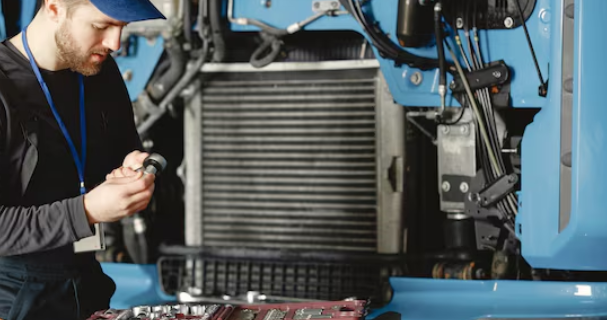

Maintaining an indoor climate in the United Arab Emirates presents mechanical challenges rarely encountered in temperate regions. Extreme desert heat reaching over 45°C paired with humidity levels exceeding 80% forces residential and commercial air conditioning systems to run almost continuously. Under these grueling operating conditions, even minor mechanical inefficiencies quickly compound into severe cooling losses, skyrocketing electricity bills, and catastrophic equipment failures.
To keep your villa, apartment, or commercial facility cool and energy-efficient throughout the summer, proactive care is essential. Below, we provide a complete, field-tested maintenance blueprint designed specifically to handle the regional climate and protect your HVAC investment.
Why Is Scheduled AC Care Critical for Dubai Properties?
Scheduled AC care is critical in Dubai because extreme desert heat, humidity, and airborne sand strain cooling components constantly. Routine servicing removes fine dust, clears biological sludge from drain lines, stabilizes electrical draw, and prevents sudden mechanical breakdowns during peak summer temperatures.
In our extensive field experience servicing HVAC units across Dubai Marina, Downtown, and Arabian Ranches, we observe that unmaintained cooling units lose up to 10% of their operational efficiency each year. The desert environment introduces fine silica dust that bypasses standard air filters, coating internal copper coils and forming an insulating layer that traps heat.
When heat transfer is blocked, the compressor works significantly harder, drawing higher electric current to achieve the same cooling output. This extra workload causes thermal stress, degrades internal lubricants, and drastically shortens system lifespan.
By scheduling comprehensive ac maintenance services in dubai, property owners ensure their units receive deep chemical coil cleanings, electrical terminal tightenings, and precise refrigerant balancing. Proactive care transforms your cooling system from a potential liability into a reliable, energy-efficient asset.
What Are the Core Steps in a Professional AC Maintenance Protocol?
A professional AC maintenance protocol involves inspecting electrical connections, washing outdoor condenser coils with specialized biodegradable cleaners, flushing indoor condensate drain channels, testing chemical refrigerant pressures, and recalibrating digital thermostats to ensure optimal system balance and energy efficiency.
A thorough service session goes far beyond simply swapping out a dust filter. Certified HVAC technicians execute a systematic, multi-point inspection and restoration routine covering every major subsystem:
1. Evaporator and Condenser Coil Restoration
Technicians apply neutral chemical solutions to dissolve baked-on sand and salt deposits from aluminum fins. High-pressure water jets clear the passages, restoring full airflow and heat dissipation capabilities.
2. Condensate Drainage Clearing
Condensate lines are flushed with pressurized air and treated with anti-bacterial agents. This removes organic sludge, prevents drain pan overflows, and eliminates sour, musty odors.
3. Electrical and Mechanical Audits
Technicians inspect magnetic contactors, check capacitor microfarad ratings, tighten terminal screws, and measure motor amperage draws. Correcting loose wiring prevents electrical arcing and board burnouts.
| Maintenance Task | Standard Frequency | Critical Benefit |
| Filter Cleaning/Replacement | Monthly (Peak Season) | Prevents airflow restriction and coil freezing |
| Condensate Line Flush | Every 3 Months | Eliminates algae sludge and prevents water leaks |
| Chemical Coil Wash | Bi-Annually | Restores heat exchange rate and lowers DEWA bills |
| Electrical & Amperage Audit | Annually | Prevents capacitor failure and electrical shorts |
When systems skip these mandatory checks, minor electrical glitches quickly spiral into total system lockouts. Partnering with a licensed ac repair company allows property managers to detect subtle mechanical wear before it triggers an emergency outage.
How Do You Prevent Clogged Condensate Lines and Indoor Water Leaks?
Preventing clogged condensate lines requires regular flushing with warm water or clear vinegar, clearing primary drain trays, and using slow-release antibacterial tablets. These actions stop mold, algae, and airborne organic dust from forming thick biological sludge inside the PVC drainage pipe.
Continuous dehumidification generates gallons of water daily inside indoor fan coil units (FCUs). In warm, dark drain pans, airborne dust and fungal spores thrive, producing a thick, jelly-like mass known as biological sludge.
When this sludge glides down into the narrow 3/4-inch PVC condensate line, it creates a total blockage. Water backs up into the primary pan, eventually overflowing onto gypsum false ceilings, damaging paint, lighting fixtures, and wooden flooring.
Proactive Drainage Care Steps
- Install Secondary Float Switches: Safety switches automatically cut power to the compressor if water rises past a safe level in the drain pan, preventing ceiling overflows.
- Quarterly Line Flushing: Flush primary drain lines with pressurized nitrogen or water to force out accumulated debris.
- Pan Sanitization Tablets: Place slow-dissolving pan tablets near the drain outlet to prevent algae growth between service visits.
Addressing drain lines proactively eliminates the single most frequent cause of emergency service calls during the humid summer months.
How Does Airflow Optimization Lower Your Monthly DEWA Bills?
Airflow optimization lowers monthly electricity bills by eliminating static pressure resistance across filters, ductwork, and supply registers. Unobstructed airflow allows heat to transfer efficiently, reducing compressor run-time and cutting total power consumption by up to 25%.
Air conditioning units consume more electricity than any other appliance in a Middle Eastern home. When airflow is restricted, the blower fan must work against excessive static pressure, forcing the system to run longer cycles to cool the space.
[ Dirty Filter / Blocked Coil ]
│
▼
[ Restricted Air Circulation ]
│
▼
[ Evaporator Temperature Drops ]
│
▼
[ Coil Freezes into Solid Ice ]
│
▼
[ Continuous Compressor Running & High DEWA Bills ]
Optimizing airflow requires balancing both supply and return pathways:
- Filter Maintenance: Wash reusable aluminum mesh filters or replace high-efficiency pleated filters every 30 days during summer.
- Ductwork Sealing: Inspect flexible duct connections for tears or air leaks in attic spaces. Unsealed ducts draw hot, humid air into the air handler.
- Clear Air Registers: Keep supply grilles and return air louvers free of furniture, curtains, or decorative obstructions to maintain balanced static pressure.
Ensuring smooth airflow keeps cooling cycles short and keeps monthly energy expenditures manageable.
What Are the Early Warning Signs That Your AC Needs Immediate Attention?
Early warning signs that your AC needs immediate attention include warm air blowing from vents, unusual rattling or grinding noises, high indoor humidity, persistent musty odors, short-cycling, and unexpected surges in your monthly electricity bills.
Catching equipment degradation early prevents minor component issues from escalating into major system failure. Property owners should watch for these early indicators:
Unusual Auditory and Olfactory Cues
- Squealing or Grinding Sounds: Indicates worn fan motor bearings or a loose blower belt requiring immediate lubrication or replacement.
- Clicking or Humming Noises: Points to a failing start capacitor or a sticking electrical contactor trying to engage the compressor.
- Sour or Musty Odors: Signals active bacterial growth on the indoor evaporator coil or standing water in the drain tray.
Operational Performance Drops
- Thermostat Mismatch: The indoor temperature remains significantly higher than the thermostat setting despite continuous system operation.
- Ice Accumulation on Refrigerant Lines: Frost or ice building up along bare copper suction lines indicates severe airflow restriction or a chemical refrigerant leak.
Promptly calling a qualified technician when these signs appear saves thousands of Dirhams in potential compressor replacements.
Simple Homeowner Checklist Between Professional Visits
While complex technical adjustments require certified professionals, property owners can perform simple routine care to keep their systems running smoothly:
- Check and Wash Air Filters Monthly: Remove dust build-up on washable air filters using warm water and allow them to dry completely before reinstallation.
- Clear the Outdoor Condenser Surroundings: Ensure at least two feet of clear space around outdoor condenser units by removing leaves, trash, or storage items.
- Inspect the Thermostat Calibration: Verify that digital thermostats are located away from direct sunlight, kitchen stoves, or supply air vents that distort ambient readings.
- Monitor the Condensate Drain Outlet: Check the external drain point to confirm water flows freely while the unit runs.
Taking a hands-on approach to routine checks ensures year-round cooling performance, preserves indoor air quality, and extends the operational life of your air conditioning infrastructure.