


When people want to lose body fat, one of the first questions they often ask is whether walking or running is the better choice. Both are simple forms of cardiovascular exercise, and both can support a healthier lifestyle. However, they differ in intensity, calorie expenditure, impact, and how easy they are to maintain. Understanding these differences can help you choose an activity that fits your goals and daily routine. For readers exploring Walking vs Running for Fat Loss, the most important point is that long-term consistency usually matters more than choosing the most intense workout.
According to the U.S. Centers for Disease Control and Prevention (CDC), adults should aim for at least 150 minutes of moderate-intensity physical activity or 75 minutes of vigorous-intensity activity each week, along with muscle-strengthening activities on at least two days. Meeting these recommendations can support overall health while contributing to weight management. However, individual exercise needs can vary based on age, fitness level, health status, and personal goals.
How Exercise Supports Fat Loss
Before comparing walking and running, it helps to understand how fat loss works. Your body uses energy throughout the day for basic functions, movement, digestion, and exercise. When you consistently use more energy than you consume, your body can draw on stored energy, which may lead to weight loss over time.
Exercise can increase daily calorie expenditure, but nutrition, sleep, stress, and overall activity levels also influence results. Therefore, simply adding a difficult workout does not guarantee fat loss.
A sustainable approach combines regular movement with balanced nutrition and healthy lifestyle habits.
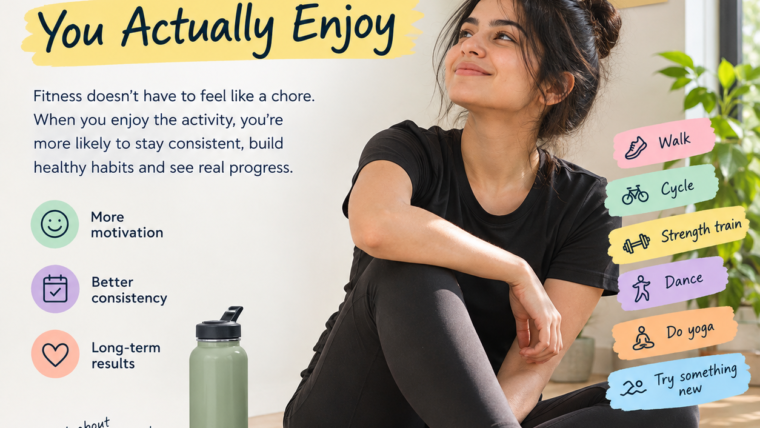
The best workout for fat loss is not necessarily the hardest one. It is the one you can perform consistently while supporting your overall health.
Does Running Burn More Calories?
Running generally burns more calories per minute than walking because it requires greater effort. The exact amount depends on factors such as body weight, running speed, terrain, workout duration, and individual fitness.
For example, a person running at a moderate pace will usually expend more energy during a 30-minute session than the same person walking for 30 minutes. This makes running attractive to people who have limited time but want a higher-intensity workout.
In addition, running can improve cardiovascular endurance and strengthen muscles in the legs and core. However, it is also a higher-impact activity. People who are new to exercise may need time to build their endurance and tolerance gradually.
Why Walking Can Still Be Powerful
Walking is sometimes underestimated because it feels easier than running. Nevertheless, brisk walking can provide meaningful health benefits and contribute to increased daily energy expenditure.
One of its biggest advantages is accessibility. Most people can walk without specialized equipment, expensive gym memberships, or advanced athletic skills. It can also be incorporated into everyday activities, such as walking during a lunch break, taking an evening walk, or choosing to walk short distances instead of driving.
Furthermore, walking generally creates less impact on the joints than running. This can make it an appealing option for beginners or people looking for a lower-impact form of cardio.
For someone who can comfortably walk for 45 or 60 minutes several times a week, the accumulated activity may be more valuable than a demanding running program that is difficult to maintain.
Walking vs Running: Which Is Better for Fat Loss?
There is no universal answer. Running usually provides greater calorie expenditure in a shorter period, while walking may be easier to perform frequently and for longer durations.
Your choice should therefore depend on your fitness level, preferences, schedule, and ability to recover.
Walking may be a better starting point if:
- You are new to regular exercise.
- You prefer low-impact activities.
- You want to increase daily steps.
- You have limited running experience.
- You enjoy longer, relaxed workouts.
Running may be appropriate if:
- You already have a fitness base.
- You enjoy higher-intensity exercise.
- You want to improve cardiovascular endurance.
- You can recover comfortably between workouts.
- You prefer shorter but more vigorous sessions.
Most importantly, neither activity needs to be an all-or-nothing choice.
Try a Combination of Walking and Running
A combination of walking and running can provide flexibility. Beginners, for instance, can start with several minutes of walking followed by a short period of easy jogging. As fitness improves, the running intervals can gradually become longer.
This approach can make exercise feel less intimidating while allowing the body to adapt to increased intensity.
Another option is to use walking for active recovery on days between harder workouts. This can help maintain regular movement without placing the same demands on the body as running.
Don’t Ignore Strength Training
Cardio is only one part of a balanced fat-loss plan. Strength training can also play an important role in maintaining muscle while managing body weight.
A well-rounded weekly routine might include:
- Brisk walking or running for cardiovascular fitness.
- Resistance training for major muscle groups.
- Mobility or flexibility exercises.
- Rest or lower-intensity recovery days.
Building muscle strength can also make everyday activities easier and support better movement patterns.
Nutrition Matters Too
Exercise and nutrition work together. Even a consistent walking or running routine may produce limited weight-loss results if overall calorie intake regularly exceeds energy needs.
Instead of following extreme diets, focus on sustainable eating habits. Include nutrient-dense foods such as vegetables, fruits, whole grains, lean proteins, beans, nuts, and other minimally processed foods.
Protein and fiber can also contribute to feelings of fullness, while adequate hydration supports normal physical performance.
For personalized nutrition advice, especially when managing a medical condition, it is wise to consult a qualified healthcare or nutrition professional.
Consistency Is More Important Than Intensity
One of the most common mistakes people make is starting too aggressively. They may run every day, dramatically increase workout duration, or attempt an advanced training plan without adequate preparation.
This can make exercise exhausting and increase the likelihood of giving up.
Instead, start at a manageable level and progress gradually. Even small increases in daily movement can become meaningful when maintained over weeks and months.
A sustainable exercise habit can be more valuable than an ambitious workout plan that lasts only a few weeks.
Tracking weekly activity can also help. You might record walking time, running distance, daily steps, workout frequency, or simply how energetic you feel.
How to Make Cardio Part of Your Daily Routine
For people in the United States with busy work and family schedules, finding time for exercise can be challenging. Fortunately, physical activity does not always have to happen in one long session.
Try simple strategies such as taking short walking breaks, using stairs when practical, walking after meals, or scheduling a dedicated morning or evening workout.
The key is to make movement fit naturally into your lifestyle. When exercise becomes part of your routine rather than an occasional event, maintaining it becomes easier.
Listen to Your Body
Progress should not come at the expense of recovery. Persistent pain, extreme fatigue, dizziness, or unusual shortness of breath should not be ignored.
If you have an existing health condition, are taking medication, or have concerns about starting vigorous exercise, speak with a healthcare professional before significantly changing your workout routine.
Likewise, give your body adequate recovery time. Sleep, hydration, nutrition, and rest all contribute to your ability to exercise consistently.
The Bottom Line
When comparing walking and running for fat loss, running generally burns more calories per minute because it is more intense. However, walking offers important advantages: it is accessible, lower impact, easy to incorporate into daily life, and often easier to maintain.
Ultimately, the better choice is the activity that fits your body and lifestyle. Some people may thrive on running, while others may achieve better long-term consistency through brisk walking. Many people can benefit from combining both.
Rather than asking only which exercise burns more calories, consider which activity you can enjoy, recover from, and repeat week after week. Combine regular movement with sensible nutrition, strength training, adequate sleep, and realistic goals, and you will have a much stronger foundation for sustainable fat loss and better overall fitness.
FAQs
1. Is walking or running better for losing belly fat?
Neither exercise specifically targets belly fat. Overall fat loss occurs when you consistently manage energy balance. Walking and running can both contribute by increasing physical activity and energy expenditure.
2. Can walking every day help with weight loss?
Yes. Regular walking can increase daily physical activity and support weight management. Brisk walking for longer periods can provide a useful cardiovascular workout.
3. How much should I walk or run for fat loss?
There is no single amount that works for everyone. A practical starting point is to gradually work toward the CDC’s recommended weekly activity levels while considering your fitness, health, and schedule.
4. Is running necessary for fat loss?
No. Running is not necessary. Walking, strength training, cycling, swimming, and other physical activities can contribute to a healthy fat-loss plan.
5. Can beginners combine walking and running?
Yes. Walk-run intervals can be a practical way for beginners to gradually introduce higher-intensity exercise. Start comfortably and increase running time gradually rather than doing too much too soon.