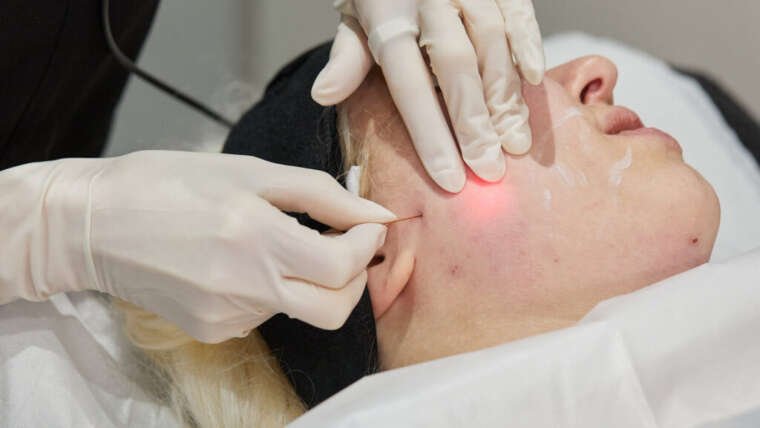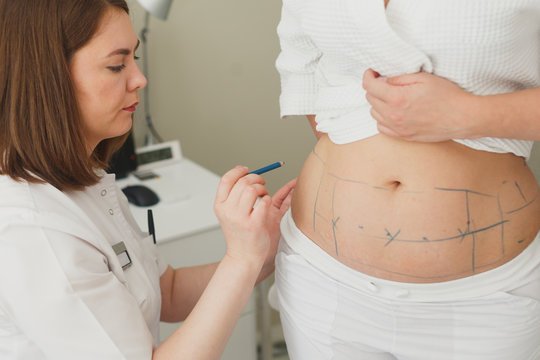

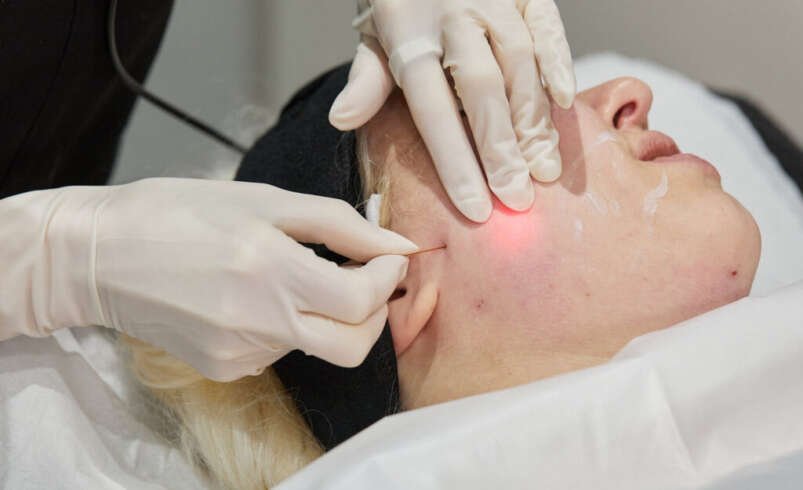

Facial skin is made up of several interconnected layers and structures that contribute to its appearance, texture, firmness, and overall contour. These characteristics vary from person to person and can also differ between areas of the same face. For this reason, assessing the structure and condition of the skin is an important part of planning a personalised facial treatment.
When considering Endolift in London, a consultation can provide an opportunity to examine the facial skin and understand its individual characteristics. The practitioner may assess factors such as skin laxity, thickness, elasticity, facial contours, and the relationship between the skin and underlying tissues.
At Bodyvie Clinic, the consultation can help establish which facial areas are most relevant to the individual’s concerns. By assessing the skin structure before treatment, the practitioner can develop a plan that is tailored to the person’s facial characteristics rather than relying on a standard approach.
Why Is Facial Skin Structure Assessed?
Facial skin is not uniform across the entire face. The skin around the eyes, cheeks, jawline, and lower face can have different thicknesses, levels of elasticity, and soft-tissue characteristics.
These differences can influence how facial contours appear and how skin laxity is distributed. Assessing the structure of the skin therefore provides useful information when planning a treatment such as Endolift.
For individuals considering Endolift Skin Tightening London, the consultation can help identify the areas where changes in skin quality or laxity are most noticeable.
How Is the Skin Examined During Consultation?
The practitioner may begin by visually examining the face while it is relaxed. The skin can then be assessed from different angles to understand its contours and overall structure.
The assessment may include:
- Skin texture
- Skin thickness
- Elasticity
- Degree and distribution of laxity
- Facial contours
- Soft-tissue volume
- Relationship between the skin and underlying structures
- Individual treatment goals
This provides a broader understanding of the skin before a treatment plan is developed.
How Does Skin Laxity Influence Assessment?
Skin laxity refers to a reduction in the firmness or tightness of the skin. It can occur to different degrees and may be more noticeable in certain facial areas.
For example, laxity may be observed around the lower face, jawline, cheeks, or neck. The degree of laxity can also vary from one side of the face to the other.
During an Endolift Clinic in London consultation, the practitioner can assess where laxity is most apparent and how it relates to the individual’s facial contours.
Why Is Skin Elasticity Considered?
Elasticity describes the skin’s ability to maintain its structure and respond to movement. It is one of the characteristics that can contribute to the overall appearance of facial skin.
Elasticity can naturally differ between individuals and may also vary across different areas of the face. The practitioner can assess the skin’s general characteristics during consultation and consider how they relate to the person’s treatment objectives.
This information can help determine which facial areas should receive attention during treatment planning.
How Does Skin Thickness Affect Assessment?
Facial skin can vary in thickness depending on its location. The skin around the eyes, for example, has different characteristics from the skin around the cheeks or lower face.
These anatomical differences can be relevant when evaluating facial skin structure. The practitioner can consider the characteristics of the treatment area and how they relate to the surrounding facial structures.
Understanding these variations allows the treatment plan to be more specific to the individual.
How Are Different Facial Areas Assessed?
Each facial region contributes differently to the overall appearance of the face. During consultation, the practitioner may examine several areas separately while also considering how they relate to one another.
Cheeks
The cheeks contribute to mid-face contour and can influence the transition between the under-eye area and lower face. The practitioner may assess skin laxity, texture, and soft-tissue characteristics in this region.
Jawline
The jawline provides definition to the lower outline of the face. The practitioner can assess the skin and soft tissue around this area to understand how laxity affects its appearance.
Lower Face
The lower face includes areas around the mouth, chin, and jawline. Skin structure and laxity may vary across this region, so an individual assessment can help identify the areas that are most relevant.
Neck
The neck has different skin characteristics from the face and may be considered separately. The practitioner can assess its skin quality and degree of laxity when discussing treatment options.
How Does Facial Contour Influence Skin Assessment?
Facial contours are influenced by the underlying bone structure, soft tissue, and skin. Changes in skin laxity can alter the appearance of these contours.
During consultation, the practitioner may examine how the skin sits over the facial structures and where changes in contour are most noticeable.
This is particularly relevant when considering Endolift in London, as treatment planning can take the individual’s facial structure and skin characteristics into account.
Why Are Different Viewing Angles Used?
The appearance of facial skin can change depending on the viewing angle. A concern that appears subtle from the front may be more visible from a side or angled perspective.
The practitioner may therefore assess the face from multiple views. Frontal assessment can provide information about symmetry and overall facial proportions, while side and angled views can help demonstrate changes in contour and skin laxity.
Considering several perspectives allows for a more complete assessment of facial skin structure.
How Is Facial Symmetry Considered?
Facial symmetry can vary naturally between individuals. Differences may occur in the underlying bone structure, soft tissue, and skin.
During consultation, the practitioner may compare both sides of the face to understand whether skin laxity or contour changes are similar on each side.
This can help inform an individualised treatment plan that takes the person’s natural facial characteristics into consideration.
How Does Age Influence Skin Structure?
Skin naturally changes over time. Factors such as changes in collagen and elastin, skin elasticity, and soft-tissue characteristics can influence the appearance of facial skin.
However, age alone does not determine the condition of the skin. Individuals of the same age can have very different skin characteristics.
For this reason, a consultation for Endolift Skin Tightening London can focus on the individual’s current skin structure rather than relying solely on age.
Can Skin Quality Differ Between Facial Areas?
Yes. Skin quality can vary considerably across the face. The under-eye area may have different characteristics from the cheeks, while the cheeks may differ from the jawline or neck.
During assessment, the practitioner can identify these differences and determine which areas correspond most closely with the individual’s concerns.
This allows treatment planning to be tailored to the specific characteristics of each treatment area.
How Does Soft-Tissue Structure Affect Assessment?
The skin is supported by underlying soft tissue, and the relationship between these layers contributes to facial contour.
When assessing the face, the practitioner may consider the relationship between the skin and underlying tissue rather than examining the skin surface alone.
This broader assessment can help explain why some areas appear more lax or less defined than others.
How Are Individual Concerns Included in Treatment Planning?
The consultation is also an opportunity for the individual to explain their concerns. One person may be primarily concerned about the jawline, while another may want to focus on the cheeks or lower face.
The practitioner can discuss these priorities and then examine the relevant areas to determine how the skin structure relates to the individual’s objectives.
This creates a treatment plan that combines professional assessment with the person’s aesthetic preferences.
Why Is Personalised Assessment Important?
Facial skin characteristics differ significantly between individuals. Differences in skin thickness, elasticity, texture, laxity, facial proportions, and soft-tissue structure mean that the same treatment approach may not be suitable for everyone.
A personalised consultation allows these factors to be considered before treatment.
At an Endolift Clinic in London, the practitioner can assess the individual’s facial skin structure and identify the areas that may be relevant to treatment planning.
What Happens After the Skin Assessment?
After examining the facial skin, the practitioner can discuss the findings with the individual. The consultation may cover which areas are being considered, the characteristics observed, and how these findings relate to the person’s treatment goals.
A personalised treatment plan can then be developed based on the assessment.
This process allows the individual to understand why particular areas may be included and how their facial skin structure has influenced the proposed approach.
How Can a Detailed Consultation Support Treatment Planning?
A detailed consultation provides an opportunity to examine the face as a complete structure. Instead of focusing on one visible concern, the practitioner can consider skin quality, laxity, contours, soft tissue, symmetry, and facial proportions together.
This whole-face perspective can be particularly useful when several areas are being considered.
By understanding the relationship between different facial structures, the practitioner can create a treatment plan that is specific to the individual’s anatomy and skin characteristics.
Conclusion
Assessing facial skin structure is an important part of planning Endolift treatment. Skin thickness, elasticity, texture, laxity, facial contours, soft-tissue characteristics, and symmetry can all vary between individuals and different areas of the face.
When considering Endolift in London, a consultation can involve examining the face from multiple angles and assessing how the skin relates to the underlying facial structures. Areas such as the cheeks, jawline, lower face, and neck may be evaluated according to the individual’s concerns.
At Bodyvie Clinic, an individual assessment can help connect the person’s treatment objectives with their specific facial skin characteristics. By considering the structure of the skin and the overall facial anatomy, treatment planning can be approached in a focused and personalised way.
Frequently Asked Questions
Why is facial skin structure assessed before Endolift treatment?
Facial skin varies in thickness, elasticity, texture, and laxity. Assessing these characteristics helps the practitioner understand the individual’s skin and identify areas relevant to treatment planning.
How is facial skin assessed during an Endolift consultation?
The practitioner may visually examine the skin at rest and from different angles while assessing texture, elasticity, laxity, thickness, contours, and the relationship between the skin and underlying tissues.
What is skin laxity?
Skin laxity refers to changes in the firmness or tightness of the skin. It can vary between individuals and may be more noticeable in particular facial areas.
Why is skin elasticity considered?
Elasticity contributes to the way skin maintains its structure and responds to movement. Assessing it can provide information about the overall characteristics of the treatment area.
Can skin thickness vary across the face?
Yes. Different facial areas naturally have different skin characteristics. The skin around the eyes, cheeks, jawline, and neck can vary in thickness and structure.
Which areas may be assessed during Endolift consultation?
Depending on the individual’s concerns, the cheeks, jawline, lower face, and neck may be assessed. Other areas can also be considered according to the individual’s facial characteristics.
Why are different viewing angles used?
Different angles can reveal changes in skin laxity and facial contours that may not be obvious from a frontal view. Multiple perspectives provide a more complete assessment.
Does facial symmetry affect treatment planning?
Natural facial asymmetry is common. Comparing both sides of the face can help the practitioner understand differences in skin laxity and contours when developing a personalised plan.
How does age affect facial skin structure?
Skin changes naturally over time, but the condition of the skin varies considerably between individuals. Treatment planning can therefore focus on the person’s current skin characteristics rather than age alone.
What is considered during an Endolift Skin Tightening London consultation?
The consultation may include skin elasticity, texture, thickness, laxity, facial contours, soft-tissue characteristics, symmetry, and the individual’s aesthetic objectives.
Can the neck be assessed during an Endolift consultation?
Yes. The neck has distinct skin characteristics and can be assessed separately when it is relevant to the individual’s concerns and treatment objectives.
Why is soft tissue considered when assessing facial skin?
Soft tissue supports the skin and contributes to facial contours. Understanding the relationship between the skin and underlying tissue can provide additional information during treatment planning.
Can different areas of the same face have different skin characteristics?
Yes. Skin characteristics can vary considerably between areas such as the under-eye region, cheeks, jawline, lower face, and neck.
What happens after the facial skin assessment?
The practitioner can discuss the assessment findings and explain which areas may be considered for treatment. A personalised plan can then be developed according to the individual’s skin structure and objectives.
Why is an individualised approach important for Endolift?
Every person’s facial anatomy and skin characteristics are different. An individualised approach allows the treatment plan to reflect the person’s specific skin structure, facial contours, and treatment goals.