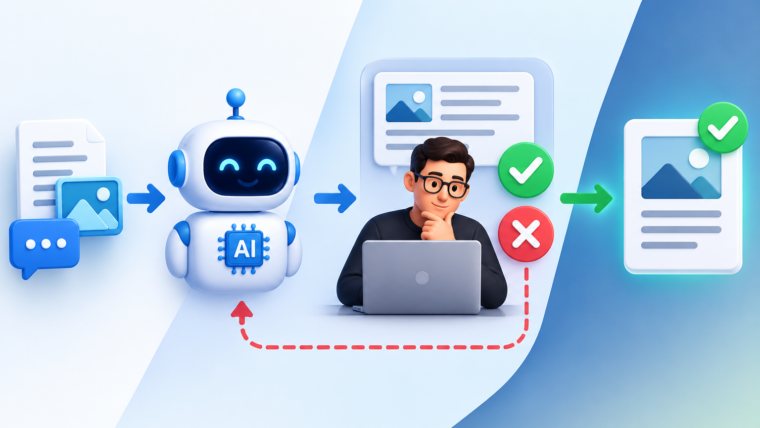

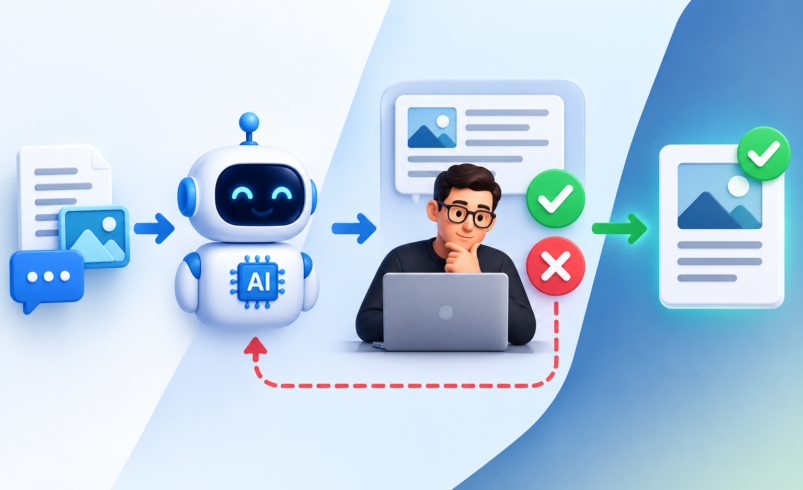

An assistant may help a student brainstorm a question, explain a term, or review a draft. When that help becomes invisible, a teacher can struggle to understand what the student actually did. AI learning disclosure provides a clear record of assistance while preserving the learner’s own decisions, research, and writing.
The record does not need to become a diary of every keystroke. It should answer a few practical questions: what tool helped, what task it performed, what material it affected, and how the student checked or changed the result. The exact requirements depend on the course, assignment, or institution, so start there.
Read the assignment rules first
Before using AI, identify what the teacher permits. An assignment may allow idea generation but prohibit generated prose. Another may require students to use a tool and critique its output. A general school policy may not settle every detail of a particular task.
If the instructions are unclear, ask a focused question before submitting work. For example: “May I use an AI assistant to ask me practice questions about my topic if I write the report independently?” That is easier to answer than “Is AI allowed?”
Do not assume that a disclosure makes prohibited assistance acceptable. Transparency and permission are separate issues. The purpose of the record is to describe allowed help honestly, not convert any workflow into an approved one after the fact.
Start the record when the project starts
Create a small note beside your project files. Use fields for date, tool name, purpose, input type, result used, and verification. Add an entry after a meaningful use rather than trying to reconstruct the whole process on submission day.
For a history project, one entry might say that an assistant suggested possible research questions. Another might record a request to explain an unfamiliar term. A third could note that the student rejected a generated timeline because its dates could not be confirmed.
Do not copy sensitive personal information into the log. You can describe the type of material supplied without reproducing private content. If screenshots or complete conversations are required, follow the course’s storage and submission instructions rather than sharing them publicly.
Describe assistance with useful verbs
“Used AI” tells a reader almost nothing. Choose a verb that identifies the contribution: brainstormed, explained, translated, outlined, critiqued, reformatted, or drafted. If the tool generated sentences that remain in the submission, say so clearly.
Compare two descriptions. “AI helped with my report” is vague. “I used an assistant to suggest headings, selected three, and wrote the sections myself” shows the boundary of the assistance. “The assistant drafted the opening paragraph, which I revised” describes a different level of involvement and should not be disguised as brainstorming.
Precision also protects your own contribution from disappearing. If you collected the data, selected the sources, and developed the argument, record those actions. The aim is an accurate account of the work, not a statement that gives the tool credit for everything.
Keep evidence of your decisions
Save the version before assistance and the version after your changes when practical. You do not need dozens of duplicate files; a version history or a few named checkpoints can show how the work developed.
For example, keep an initial research question, your source notes, the first independently written draft, and the submitted version. If AI feedback suggested adding a comparison, note whether you accepted it and what evidence you used to support the new section.
A project log should include rejected suggestions when they affected your thinking. “Rejected the suggestion to compare two periods because the assignment covers only one” demonstrates a decision. It is more informative than a long transcript with no explanation of what mattered.
Write an AI learning disclosure readers can understand
A concise disclosure can use four parts: task, assistance, student action, and checking. A fictional example is: “I used an AI assistant to propose discussion questions for my project. I selected and rewrote two questions, conducted the research, and wrote the report. I checked factual statements against the sources listed in my references.”
If the assignment requires tool versions, dates, prompts, or a particular citation format, add those details. Do not invent a model name you cannot verify. Record the product name or interface information that was actually available and explain any missing detail if necessary.
Learning workflows discussed by Aiera.blog can inspire experimentation, but your disclosure should describe the assistance you actually used in this project, rather than copy a generic statement from an example.
Keep source citations separate from assistance records
An AI disclosure and a source reference serve different purposes. The disclosure explains how work was produced. The reference shows where a factual claim, quotation, or idea can be checked. Listing an assistant does not replace citing the book, paper, or document that supports your argument.
If the assistant suggests a source, find and read the relevant material before relying on it. Record the source itself in the required citation style. If you cannot locate it, do not cite it as though you used it.
Likewise, do not claim that every statement was verified when you checked only selected details. A truthful record can say which kinds of material you checked and which suggestions were not used. Specificity is more credible than an absolute claim you cannot demonstrate.
Use the record in conversations with a mentor
A mentor can review the log to understand where you needed help. Repeated requests to simplify terminology may show a vocabulary gap. Frequent requests for outlines may suggest difficulty organizing an argument. These observations can guide teaching without turning the log into a judgment about character.
UNESCO’s overview of its AI competency frameworks describes responsible engagement with AI as an educational concern. A transparent assistance record supports a practical discussion about how the learner is using the technology.
Agree on a proportionate level of detail. A short homework task may need one sentence, while a major research project may justify a fuller appendix. The record should make the process understandable without overwhelming the work itself.
Review before submission
Check that the disclosure matches the final project, including any late changes. Confirm that the assistance was permitted, the description is accurate, and the required records are included. Remove claims about checks you did not perform.
A useful disclosure is neither an apology nor a marketing statement about productivity. It is a factual account of assistance and ownership. Keep it specific, preserve evidence of your decisions, and make your own contribution easy to see. That gives teachers and mentors a clearer basis for evaluating both the finished work and the learning behind it.