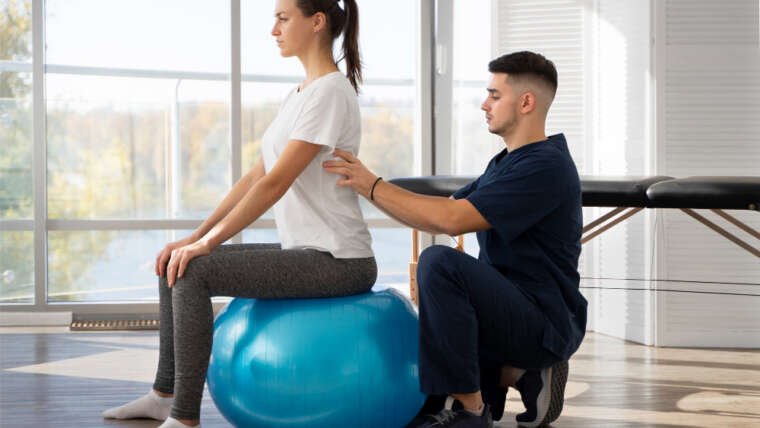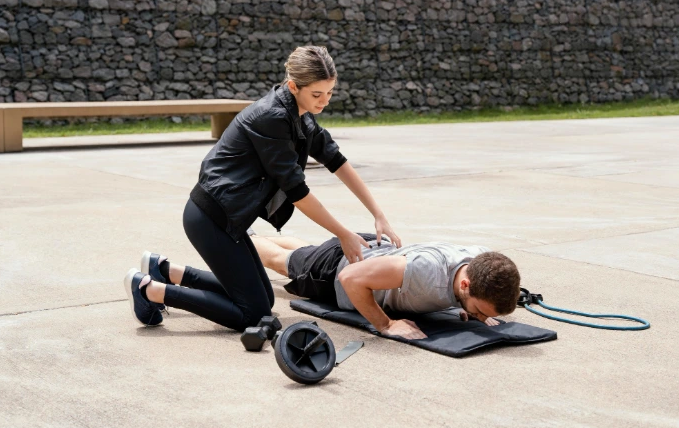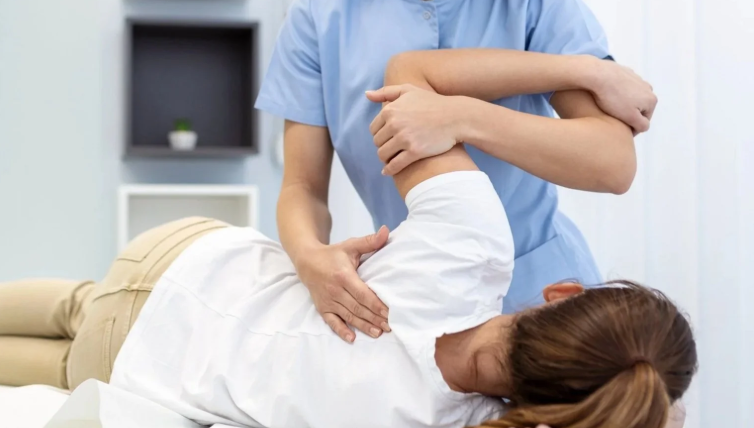

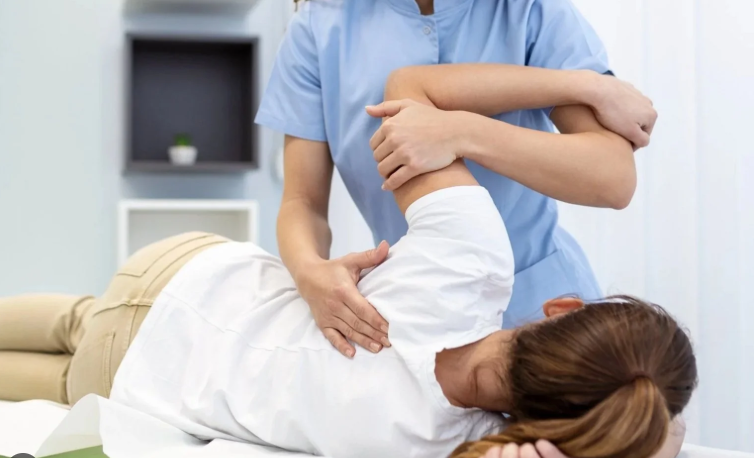

A strong movement foundation can make everyday activities feel more manageable and predictable. Walking, bending, reaching, lifting, climbing stairs, getting up from a chair, and participating in hobbies all depend on the body working together effectively. When weakness, stiffness, injury, or inactivity affects these abilities, a thoughtful rehabilitation plan can help rebuild physical capacity. For people exploring Physical Therapy Aurora IL, personalized support can provide a practical way to work toward better movement and greater confidence.
Movement foundations are developed through several connected physical qualities. Strength provides the ability to produce force, mobility allows the body to move through useful ranges, and balance and coordination help control those movements.
Improving these areas gradually can make it easier to manage both routine responsibilities and activities that require greater physical effort. The process can also help individuals better understand their bodies and recognize how different movements relate to their daily goals.
Understanding the Foundation Behind Everyday Movement
Everyday movement may seem simple, but most activities involve multiple parts of the body working together. Standing up from a chair, for example, requires the legs and hips to generate force while the trunk provides stability.
Walking involves strength, balance, coordination, mobility, and endurance. Reaching for something on a shelf requires appropriate shoulder movement along with control through the trunk and upper body.
When one physical ability becomes limited, other areas may have to compensate. This can make familiar activities feel less efficient or more tiring.
Understanding these connections can help individuals recognize why improving one area of physical function may also influence other daily movements.
Recognizing Where Movement Has Changed
Changes in physical ability are not always dramatic. Sometimes they appear through small adjustments in normal routines.
A person may begin using the handrail more frequently on stairs, avoid sitting on lower chairs, take longer to complete household chores, or stop participating in activities that once felt comfortable.
These changes can develop after an injury, during recovery from surgery, or after a prolonged period of reduced activity. They may also appear gradually as physical demands change.
Paying attention to these patterns can provide useful information about which movements or activities may need additional support.
Creating a More Focused Rehabilitation Approach
People exploring Physical Therapy Aurora IL may have different physical goals and different reasons for seeking rehabilitation. Some may be working through an injury, while others may want to improve strength, mobility, balance, or general movement ability.
A focused approach can begin by identifying which physical limitations are affecting everyday activities. This may include evaluating movement patterns, flexibility, strength, coordination, endurance, and functional tasks.
For individuals considering Physical Therapy Aurora IL, connecting exercises to personal goals can make rehabilitation more meaningful. A person preparing to return to gardening may need a different focus from someone preparing to resume regular walking or exercise.
Those choosing Physical Therapy Aurora IL may also benefit from gradual progression as their abilities change. Exercises can become more challenging when appropriate, allowing physical improvements to develop alongside greater confidence.
Strengthening the Body for Daily Responsibilities
Strength is an important part of a reliable movement foundation. Many daily activities require the muscles to produce and control force repeatedly.
Standing from a chair, carrying groceries, lifting laundry, climbing stairs, and moving household items can all place demands on the lower body, upper body, and trunk.
A structured strengthening program can begin with movements that match an individual’s current abilities. Resistance and repetitions can gradually change as physical capacity improves.
Functional strengthening can also help make exercise feel more connected to daily life. Instead of focusing only on numbers or repetitions, the emphasis can remain on developing strength that supports useful activities.
Improving Mobility Through Controlled Movement
Mobility allows individuals to move comfortably between positions and perform activities that require reaching, bending, turning, or changing direction.
Limited mobility can affect the way a person performs ordinary tasks. For example, restricted hip movement may influence bending or getting up from the floor, while reduced shoulder mobility may make overhead reaching more difficult.
Mobility exercises can help individuals work toward more useful movement ranges. These exercises can be combined with strengthening and functional activities so that improved movement is supported by adequate control.
The goal is not necessarily maximum flexibility. Useful mobility is about having enough comfortable movement to perform important activities effectively.
Developing Better Balance and Coordination
Balance and coordination provide control during movement. They are important when walking on uneven surfaces, changing direction, stepping over objects, or moving between different positions.
Balance can be influenced by strength, mobility, vision, body awareness, and coordination. When one or more of these areas is affected, familiar activities may feel less predictable.
Progressive balance exercises can provide opportunities to improve stability. Activities can begin with manageable challenges and become more complex as control improves.
Coordination can also be developed through movements that require different parts of the body to work together. Better coordination may contribute to smoother and more controlled everyday activity.
Building Endurance Alongside Strength
A strong movement foundation also requires the ability to sustain activity. Strength alone may not be enough when someone needs to walk for an extended period, complete several household tasks, or remain active throughout a busy day.
Endurance can be developed gradually. Walking time, repetitions, exercise duration, or other appropriate activities can increase as tolerance improves.
Building endurance can help reduce the difference between being able to complete a task once and being able to manage repeated physical demands.
A gradual approach also allows individuals to recognize how their bodies respond to increasing activity.
Preparing for Bending, Reaching, and Changing Positions
Many everyday activities involve changing body positions. Getting something from a lower cabinet, reaching into a vehicle, picking up an item from the floor, or standing after sitting all require coordinated movement.
These actions can become more difficult when strength or mobility is limited.
Functional exercises can help individuals practice these movement patterns in a controlled setting. Repeated practice can improve familiarity with the positions and physical demands involved.
Movement preparation can include:
- Practicing controlled transitions between sitting, standing, bending, and reaching.
- Building strength and stability that support repeated changes in position.
Connecting these movements to real-life activities can help make rehabilitation more practical.
Supporting a Comfortable Return to Activity
Returning to regular activity after an injury or period of inactivity often requires preparation. Even when pain or other symptoms have improved, the body may not immediately be ready for previous levels of physical demand.
A gradual progression can help rebuild the abilities required for the desired activity.
Someone returning to exercise may begin with simpler movements before increasing resistance or duration. Someone returning to outdoor chores may gradually build lifting, bending, and endurance capacity.
Preparing for the actual demands of an activity can help create a smoother transition back into normal routines.
Developing Movement Awareness
Movement awareness involves understanding how the body responds during different activities. This can help individuals recognize when a task feels unusually difficult or when changes in activity may be needed.
Education can include discussions about posture, movement patterns, activity levels, and ways to organize physical tasks.
For someone who spends long periods sitting, regular position changes may be useful. For someone performing repeated lifting, learning how to manage the task with appropriate control may be important.
Greater awareness can help individuals make practical choices about movement both during rehabilitation and afterward.
Creating Consistent Daily Habits
Physical improvements are easier to support when movement becomes part of a realistic routine. This does not mean every day needs to include intensive exercise.
Small habits can create regular opportunities for activity. Walking short distances, changing positions during long periods of sitting, completing recommended exercises, and participating in enjoyable physical activities can all contribute to consistency.
A routine should fit the person’s lifestyle. When movement habits are realistic, they are more likely to remain part of everyday life.
Consistency can also help individuals maintain the improvements developed during rehabilitation.
Preparing for More Demanding Activities
Some activities place greater physical demands on the body than normal routines. Travel, home projects, recreational sports, seasonal chores, and extended outdoor activities may require additional strength and endurance.
Preparing in advance can make these activities easier to approach. A person planning a long walking trip may gradually increase walking time, while someone preparing for yard work may focus on lower-body strength and endurance.
The specific preparation should reflect the activity. Different hobbies and responsibilities require different combinations of physical abilities.
Planning ahead can also reduce the likelihood of suddenly increasing activity after a long period of lower physical demand.
Maintaining Progress Over Time
Building a stronger movement foundation is not only about short-term rehabilitation. Maintaining physical abilities can become part of a longer-term approach to active living.
Regular movement, appropriate strengthening, mobility exercises, and participation in enjoyable activities can help support continued physical capacity.
Routines may change because of work, family responsibilities, travel, or seasonal activities. Maintaining flexibility in the routine can make it easier to stay active even when circumstances change.
Long-term progress is often supported by habits that are practical enough to continue through different stages of life.
The Role of Physical Therapy Advantage
Physical Therapy Advantage can support individuals working toward stronger movement foundations and improved physical function.
A personalized rehabilitation process can connect treatment with the activities and responsibilities that matter to each individual. Strength, mobility, balance, coordination, endurance, and movement education can all be addressed according to specific needs.
As progress develops, exercises and activities can be adjusted to provide appropriate challenges. This allows rehabilitation to remain focused on meaningful goals rather than following the same approach throughout the entire process.
The result can be a more practical understanding of movement and a stronger foundation for everyday activity.
Moving Forward With Greater Movement Confidence
Confidence often develops when individuals experience what their bodies can accomplish through gradual progress.
Completing a household task with less effort, walking farther, reaching more comfortably, or participating in a favorite activity can provide meaningful evidence of improvement.
These changes may appear gradually, but each one can contribute to a stronger sense of physical capability.
A patient and consistent approach allows individuals to build on small improvements while preparing for greater physical demands.
Conclusion
A strong movement foundation can support everyday responsibilities, exercise, hobbies, and active living. When physical limitations make familiar activities more difficult, a personalized rehabilitation approach can help identify areas that need attention and create a gradual path toward improvement.
Strength, mobility, balance, coordination, endurance, and movement awareness all contribute to physical function. When these areas are developed with meaningful goals in mind, rehabilitation can become more connected to real life.
With consistent practice and appropriate progression, individuals can work toward better movement habits and greater physical confidence. Physical Therapy Advantage can support that process by helping individuals build practical physical abilities for the activities that matter most.