

The cost of hyperbaric chamber equipment can vary significantly depending on the chamber type, pressure rating, size, construction, oxygen system, and included accessories. Home soft-shell chambers generally sit at a different price level from rigid personal chambers and clinical systems. Current 2026 market research places home soft-shell models broadly around $2,500–$20,000, while personal hard-shell systems can cost substantially more.
For buyers researching a chamber for home use, the purchase price is only one part of the overall budget. Shipping, supporting equipment, maintenance, warranty coverage, replacement components, and room preparation can also affect the final expense. Understanding these factors before purchasing can make it easier to compare products realistically.
What Determines the Cost of a Hyperbaric Chamber?
The chamber’s construction is one of the biggest factors affecting price. Soft-shell models typically use flexible materials and are commonly marketed for portable or home-oriented use, while hard-shell chambers use rigid construction and can support different pressure ranges and configurations. These differences can create a wide gap between entry-level and premium equipment.
Pressure capability also affects pricing, but it should not be the only specification considered. A chamber’s dimensions, control system, oxygen-delivery equipment, compressor, monitoring features, materials, warranty, and manufacturer support can all contribute to the final price. Comparing the complete equipment package provides a more useful picture than looking at the chamber price alone.
Average Home Hyperbaric Chamber Prices in 2026
Current 2026 pricing research indicates that home soft-shell chambers can range from roughly $2,500 to $20,000, with a tracked median around $13,495 for new soft-shell models in one current market index. Personal hard-shell chambers are generally much more expensive, with current tracked prices ranging from about $25,000 to more than $100,000 depending on the system.
These figures are market ranges rather than fixed retail prices. Individual manufacturers and sellers may offer different packages, discounts, shipping arrangements, or accessories. For this reason, buyers should verify the current price of the exact model they are considering instead of relying on a general industry estimate.
Soft-Shell Chamber Cost
Soft-shell chambers are often the starting point for people researching home equipment. Current market listings show entry-level soft-shell systems around several thousand dollars, while larger or premium models can reach well above $10,000.
The cost of hyperbaric chamber equipment in this category can depend on the chamber diameter, length, pressure rating, oxygen equipment, compressor, accessories, and warranty. A lower-priced model may have a simpler configuration, while a more expensive package may include additional equipment or a larger chamber.
Hard-Shell Chamber Cost
Hard-shell chambers use rigid construction and are generally positioned at a higher price point than many portable soft-shell systems. Current 2026 market data shows personal hard-shell units ranging from approximately $25,000 into six-figure territory, depending on pressure capability, materials, size, and configuration.
These systems can also involve different installation and space requirements. Buyers considering a rigid chamber should therefore calculate not only the purchase price but also delivery, installation, electrical requirements, room preparation, servicing, and long-term maintenance.
Portable Chamber Pricing
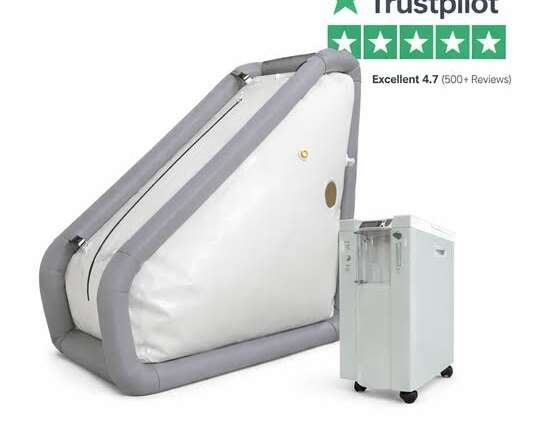
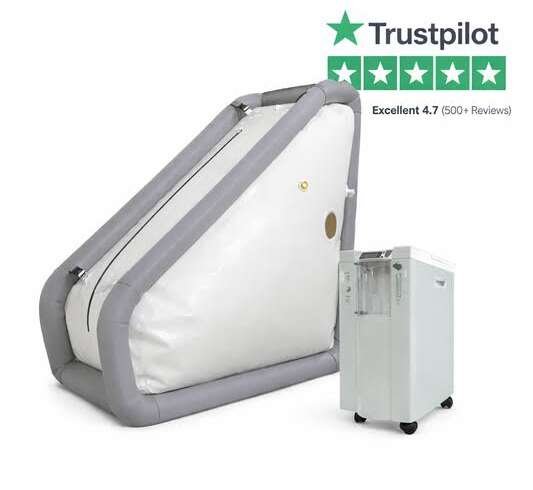
Portable soft chambers can be attractive to buyers who want a system that can be positioned or stored more easily than a large rigid unit. However, “portable” does not necessarily mean the complete setup is lightweight. Supporting equipment such as compressors and oxygen concentrators can add considerable weight and space requirements.
For example, the MACY-PAN ST801 is currently listed as a soft lying chamber with 1.3–1.5 ATA pressure settings. Its manufacturer lists the chamber capsule at 15 kg, while the compressor is 18 kg and the oxygen concentrator is 24 kg. This illustrates why buyers should consider the complete system when estimating setup and transportation requirements.
Oxygen Equipment and Accessories
The chamber itself is not always the complete package. Depending on the model, buyers may need or receive an air compressor, oxygen concentrator, air cooler, tubing, masks, pressure gauges, and other components. These items can influence both the initial purchase price and long-term ownership expenses.
When comparing the cost of hyperbaric chamber options, check exactly what the advertised price includes. Two products may appear to have similar prices while one includes more equipment than the other. A complete-package comparison can prevent unexpected expenses after purchase.
Chamber Size and Price
Size can influence the price of a chamber because larger models generally require more materials and may use larger supporting equipment. Lying chambers also have different space requirements from sitting chambers, making room measurements important before ordering.
MACY-PAN, for example, lists its ST801 soft lying chamber at approximately 225 × 80 × 80 cm on one current product page, along with separate compressor and oxygen-concentrator equipment. Buyers should allow additional room around the chamber for safe access and operation.
Understanding ATA and Pricing
ATA, or atmospheres absolute, is used to describe chamber pressure. Home soft-shell models commonly operate at lower pressure ranges than many clinical systems. The maximum ATA rating can influence the product category and price, but it should not be treated as a simple measure of quality.
A higher pressure rating may also come with different equipment requirements and safety considerations. Buyers should compare pressure capability alongside chamber construction, controls, oxygen delivery, monitoring, manufacturer documentation, and intended use rather than selecting a product solely because it has a higher ATA number.
Hidden Costs to Consider
The initial purchase price may not represent the complete investment. Shipping can be significant for large equipment, particularly for international purchases. Installation, accessories, replacement filters, maintenance, electricity, and potential repairs can also contribute to the total cost.
Before purchasing, create a complete budget that includes:
- Chamber and supporting equipment
- Shipping and delivery
- Installation or room preparation
- Accessories and replacement parts
- Warranty and maintenance
- Electricity and ongoing operating expenses
This approach makes it easier to compare the real ownership cost of different systems rather than focusing only on the advertised purchase price.
Warranty and Customer Support
Warranty coverage can make a meaningful difference when purchasing specialized equipment. Before ordering, review how long the warranty lasts, which components are covered, what exclusions apply, and how technical support is handled.
Customer support is also worth considering. A chamber may require product-specific troubleshooting or replacement components, so access to manuals, service information, spare parts, and responsive support can be valuable. A slightly higher initial price may come with different support terms, making warranty details an important part of the comparison.
Buying a Chamber for Home Use
If you plan to purchase a home chamber, prepare the intended room before placing the order. Measure the available space and consider the dimensions of the chamber, compressor, oxygen concentrator, cooler, tubing, and other accessories.
Electrical compatibility and the overall home environment should also be reviewed. The FDA recommends considering factors such as power requirements, environmental conditions, available space, and safety when using medical devices in the home. Buyers should follow the specific requirements provided by the equipment manufacturer.
Comparing the Total Cost
A useful comparison should look at the complete package rather than a single price. Two chambers with similar pressure ratings may have very different dimensions, equipment, warranties, and accessories, resulting in different total ownership costs.
When comparing products, make a simple list of the purchase price, included equipment, shipping, warranty, maintenance requirements, and replacement-part availability. This makes it easier to identify the actual financial commitment associated with each option.
Why Explore Warrior Willpower?
Warrior Willpower provides home-focused hyperbaric chamber options for buyers researching different chamber configurations. Its selection includes portable models that can be evaluated according to pressure rating, chamber style, size, and included equipment.
For anyone researching the cost of hyperbaric chamber options, reviewing product specifications alongside the total purchase requirements can provide a clearer starting point. Buyers can compare the equipment they need with their available space and budget before making a final decision.
Questions to Ask Before Purchasing
Before placing an order, buyers should make sure they understand the complete package. Asking specific questions can prevent confusion about equipment, delivery, warranty, and ongoing costs.
Useful questions include:
- What exact model and pressure range am I purchasing?
- What equipment is included in the quoted price?
- Are shipping and delivery charges separate?
- What warranty is provided?
- Are replacement parts readily available?
- What maintenance does the system require?
- What space and electrical requirements should I prepare?
Getting clear answers before payment can make the purchasing process more transparent and help avoid unexpected expenses.
Conclusion
The cost of hyperbaric chamber equipment depends heavily on the chamber type, pressure rating, size, construction, oxygen system, accessories, and manufacturer support. In 2026, current market research places home soft-shell systems broadly in the several-thousand-to-$20,000 range, while personal hard-shell systems can cost considerably more.
Warrior Willpower offers options for buyers researching home hyperbaric equipment. Before purchasing, compare the complete package rather than the headline price, check warranty and support terms, calculate shipping and setup costs, and make sure the selected equipment fits your intended space. For medical applications, consult a qualified healthcare professional about whether hyperbaric oxygen therapy is appropriate for your situation.