

Searching for Pelvic Floor Therapy Near Me can be an important first step for people experiencing pelvic health concerns or looking for professional guidance with movement, core support, and everyday comfort. Pelvic health physical therapy is designed to address a range of concerns involving the pelvic floor, surrounding muscles, movement patterns, and functional activities.
The pelvic floor works together with other areas of the body to support movement and control. Concerns involving these muscles can sometimes affect daily activities, exercise, bladder or bowel function, or comfort. A personalized physical therapy evaluation can help identify individual needs and establish an appropriate plan.
The American Physical Therapy Association notes that pelvic health physical therapists work with people across the lifespan and across genders for a range of pelvic health-related conditions.
What to Consider When Searching for Pelvic Floor Therapy Near Me
A search for Pelvic Floor Therapy Near Me may bring up different providers, treatment approaches, and specialties. Finding a convenient location can be helpful, but it is also important to understand whether the provider’s services match the concerns and goals being addressed.
Pelvic floor concerns can vary significantly from one person to another. Some people may seek help with bladder control, while others may experience pelvic discomfort, bowel-related difficulties, postpartum changes, or challenges returning to exercise.
Because these concerns can have different contributing factors, individualized assessment is important. A physical therapist can evaluate movement, muscle function, and other relevant factors before developing a treatment strategy.
Understanding the Role of the Pelvic Floor
The pelvic floor is a group of muscles located at the base of the pelvis. These muscles contribute to support, control, and coordination during different activities.
Pelvic floor function does not happen in isolation. The pelvic floor works in relationship with the abdominal region, hips, spine, breathing mechanics, and overall movement system.
APTA educational resources describe the relationship between the pelvic floor and respiratory diaphragm in regulating trunk pressure and supporting breathing and movement.
This connection helps explain why pelvic floor therapy may involve more than isolated muscle exercises. A broader movement approach can be useful when pelvic health concerns affect everyday physical activities.
Supporting Better Core and Pelvic Control
Core control can play an important role in everyday movement.
Standing, walking, lifting, changing positions, exercising, and other physical activities require coordination between different parts of the body. The pelvic floor is one component of this larger system.
At Ironhorse Physical Therapy & Pilates, Inc., an individualized movement approach can help connect pelvic and core control with practical physical goals.
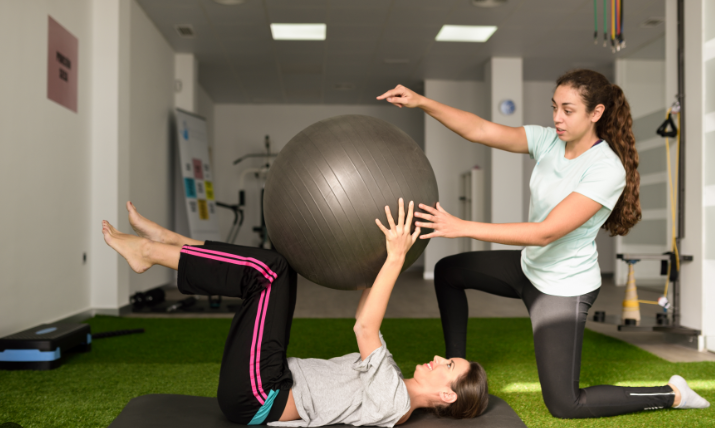
Exercises may focus on appropriate muscle activation, relaxation, breathing, posture, mobility, or controlled movement depending on the individual’s needs.
The goal is not simply to make muscles stronger. In some situations, learning how to relax and coordinate muscles can also be important.
Pelvic Floor Therapy and Bladder Concerns
Bladder-related symptoms are one reason some people explore pelvic health physical therapy.
Urinary urgency, frequency, or leakage can affect confidence and daily routines. These concerns may make people change how they exercise, plan trips, or participate in social activities.
APTA has published clinical guidance addressing rehabilitation interventions for urgency urinary incontinence, urinary urgency, and urinary frequency in adult women.
A pelvic health physical therapist can assess relevant movement and muscle-control factors and develop an individualized plan when physical therapy is appropriate.
Treatment should be based on the individual’s symptoms and evaluation rather than assuming that one exercise routine is appropriate for everyone.
Addressing Pelvic and Lower-Body Connections
Pelvic health can also have connections with the hips, lower back, abdomen, and surrounding muscles.
Movement restrictions or strength and coordination differences in these areas may influence how a person performs certain activities.
For example, walking, bending, exercising, or changing positions can require coordinated movement through the pelvis and lower body.
A comprehensive physical therapy approach may therefore consider more than the pelvic floor alone.
This broader perspective can help create a treatment plan that reflects how the body works as a connected movement system.
Supporting Postpartum Recovery
Pregnancy and childbirth can create significant physical changes.
Some individuals may experience changes in pelvic floor function, abdominal strength, mobility, posture, or general physical capacity during the postpartum period.
Pelvic health physical therapy may be part of a broader recovery plan when appropriate. APTA identifies pelvic health physical therapy as an important component of postpartum recovery and notes that pelvic health therapists can help address muscle control, healing, and related functional concerns.
Recovery should be individualized because every pregnancy, delivery, and postpartum experience is different.
A gradual approach can help individuals rebuild physical capacity while considering their current symptoms, activities, and goals.
Improving Comfort During Exercise
People who enjoy exercise may hesitate to stay active when pelvic symptoms appear.
Running, strength training, Pilates, walking, cycling, fitness classes, and other activities can place different demands on the pelvic region.
Pelvic floor therapy can help identify movement strategies that may make returning to activity more manageable when appropriate.
Exercises can be progressed according to current tolerance rather than immediately returning to a previous level of activity.
At Ironhorse Physical Therapy & Pilates, Inc., movement-focused care can be connected with an individual’s preferred activities and longer-term physical goals.
Learning Appropriate Muscle Activation
Pelvic floor exercises are often discussed in relation to strengthening.
However, pelvic floor muscles can also be overly tense or poorly coordinated. Cleveland Clinic notes that pelvic floor physical therapy may help people identify muscles that are too tense and learn strategies for stretching and improving coordination.
This is one reason professional assessment can be useful.
Instead of automatically performing repeated contractions, an individualized program can determine whether the priority involves strengthening, relaxation, coordination, mobility, or another movement strategy.
The appropriate approach depends on the person’s symptoms and physical findings.
Supporting Bowel Function
Pelvic health physical therapy can also be relevant to certain bowel-related concerns.
Functional constipation, for example, can involve difficulty with bowel movements and coordination of the pelvic floor. APTA has published an evidence-based clinical practice guideline addressing physical therapy management of functional constipation in adults.
Treatment can vary depending on the individual’s needs.
A professional evaluation may help determine whether movement training, muscle coordination strategies, relaxation techniques, or other interventions are appropriate.
This makes pelvic health care broader than focusing exclusively on urinary symptoms.
Creating Goals Around Everyday Life
Pelvic health concerns can affect normal activities in ways that are not always obvious.
Someone may avoid long walks because of urgency. Another person may modify workouts because of discomfort. Someone recovering after childbirth may want to feel stronger while caring for a baby.
These practical concerns can become meaningful therapy goals.
Instead of focusing only on clinical measurements, treatment goals can be connected with activities that matter to the individual.
For someone searching for Pelvic Floor Therapy Near Me, asking how therapy will relate to personal activities can help provide a clearer understanding of the treatment approach.
Building a Gradual Exercise Routine
Exercise progression should be individualized.
A person returning to physical activity after pregnancy, surgery, injury, or a period of reduced activity may need to rebuild strength and endurance gradually.
Pelvic health rehabilitation may incorporate appropriate strengthening, mobility, breathing, coordination, or functional exercises depending on the person’s needs.
Progress can involve small changes in repetitions, resistance, duration, or movement complexity.
A gradual approach can help an individual understand how their body responds as activity levels increase.
Understanding the Value of Individualized Care
Pelvic health concerns can be sensitive and highly personal.
For this reason, clear communication and individualized care can be particularly important.
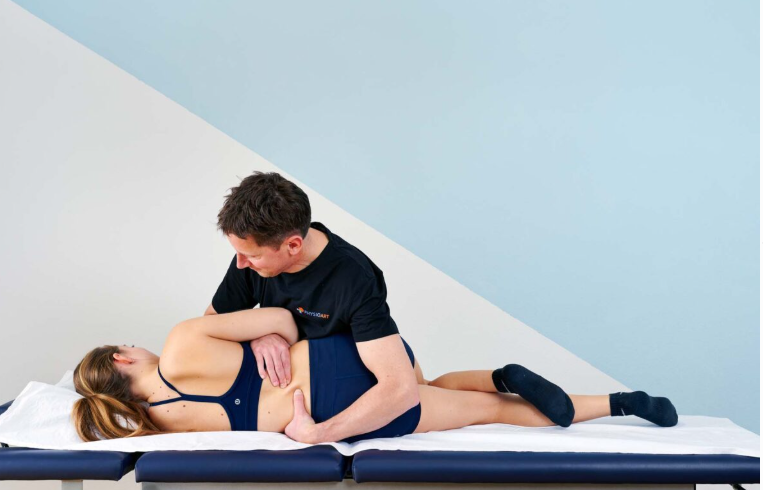
A physical therapist may ask about symptoms, activity limitations, medical history, movement concerns, and personal goals. The evaluation helps determine which areas require attention.
Cleveland Clinic describes pelvic health rehabilitation as involving an individualized assessment and care plan based on a person’s needs and goals.
This personalized approach can help make treatment more relevant and comfortable for the individual.
Making Pelvic Health Part of Long-Term Wellness
Pelvic health is one part of overall physical well-being.
Maintaining appropriate strength, mobility, coordination, breathing mechanics, and physical activity can contribute to a person’s ability to participate in daily life.
For some individuals, pelvic health therapy may be focused on addressing a current concern. For others, it may be part of recovery or returning to an active lifestyle.
The important consideration is creating an approach that reflects the person’s current condition and goals.
At Ironhorse Physical Therapy & Pilates, Inc., individualized movement strategies can be connected with broader goals for strength, mobility, and active living.
Choosing a Local Pelvic Health Option
Convenience can make it easier to attend appointments and maintain consistency with an exercise or movement program.
When researching Pelvic Floor Therapy Near Me, people may want to consider the provider’s experience, treatment approach, available services, location, and whether the care setting feels appropriate for their needs.
It can also be helpful to discuss questions during an initial consultation or evaluation.
Understanding what the assessment includes and how goals are developed can help individuals feel more informed about the process.
When Professional Evaluation May Be Helpful
Pelvic symptoms can have different causes, and not every concern should be self-treated.
Persistent pelvic pain, urinary or bowel changes, significant discomfort, symptoms following childbirth or surgery, or difficulty returning to normal activities may warrant discussion with an appropriate healthcare professional.
Physical therapy can be appropriate for many pelvic health concerns, but an individualized evaluation is important for determining whether it is suitable.
Professional guidance can also help identify situations where another healthcare provider may need to be involved.
Conclusion
Searching for Pelvic Floor Therapy Near Me can be the beginning of a more individualized approach to pelvic health, movement, and everyday comfort. Pelvic floor function can be connected with core control, breathing, hips, lower-body movement, and many normal activities.
Pelvic health physical therapy may address concerns involving bladder function, bowel function, pelvic discomfort, postpartum recovery, muscle coordination, and return to exercise, depending on the individual’s needs.
For people in San Ramon, choosing a convenient provider can make it easier to incorporate professional guidance into a regular wellness routine.
With appropriate assessment, realistic goals, gradual progression, and individualized care, pelvic health therapy can support people working toward greater comfort and participation in the activities that matter to them.