
Painting is one of the most visible ways to change the appearance of a property, but a successful project involves much more than selecting a colour. The condition of the surface, preparation methods, type of coating, application technique, ventilation, access, and expected level of wear all affect the final result. Painting Services Melbourne can cover anything from a single-room refresh to complete residential, commercial, and exterior repainting projects.
For property owners, understanding how a painting project is planned makes it easier to define the scope and compare service proposals. A well-prepared project can produce a more even finish, reduce avoidable problems, and make future maintenance easier. The key is to match the painting method and materials to the actual condition and use of the property.
Understanding the Scope of a Painting Project
Before work begins, the property should be assessed to establish exactly what needs to be painted.
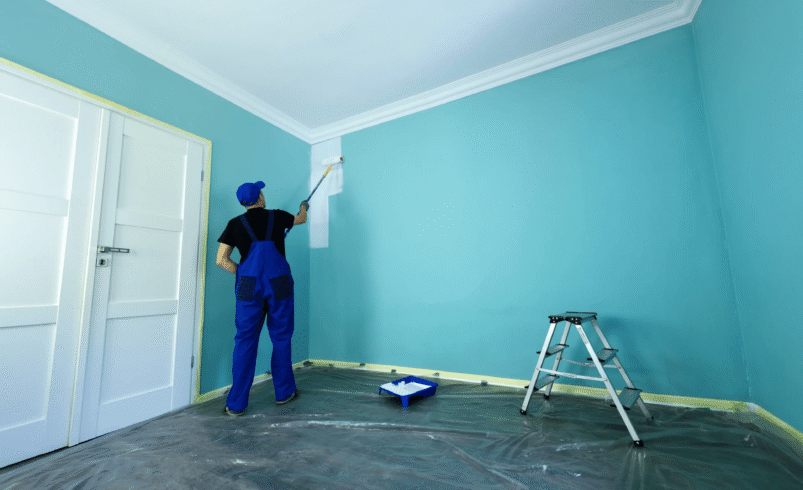
Interior Painting
Interior projects can include walls, ceilings, doors, frames, skirting boards, cabinets, and other suitable surfaces. Each area may require different preparation and coating products.
For example, a hallway with frequent foot traffic may require a more durable wall finish than a rarely used guest room.
Exterior Painting
Exterior surfaces are exposed to changing weather conditions and therefore need appropriate preparation and products. Timber, masonry, metal, and previously painted surfaces can have different requirements.
Exterior painting should also include an inspection for damaged coatings, cracks, deteriorated materials, and moisture-related issues.
Commercial Painting
Offices, retail stores, warehouses, restaurants, and other commercial properties often require careful scheduling. Work may need to be completed in stages or outside normal operating hours to reduce disruption.
What Should Be Included in Preparation?
Preparation is a major part of professional painting work and should be clearly identified in a quotation.
Cleaning
Dust, grease, dirt, and other contaminants can interfere with paint adhesion. Appropriate cleaning is therefore necessary where surfaces are contaminated.
Filling and Repairs
Small holes, cracks, dents, and surface imperfections may need filling before sanding and painting. Larger defects may require separate repair work.
Sanding
Sanding can smooth rough areas and help prepare suitable existing coatings. The exact approach depends on the substrate and condition of the old paint.
Priming
Primer is not automatically required for every wall, but it can be important for certain substrates, repaired areas, stains, bare surfaces, and situations where adhesion needs improvement. The appropriate primer depends on the surface and coating system.
Choosing Paint Based on Property Use
The best paint is not necessarily the most expensive product. It should be appropriate for the surface and the conditions in which it will be used.
High-Traffic Areas
Hallways, staircases, kitchens, and family rooms can experience more contact and cleaning. A suitable durable finish can be useful in these areas.
Bedrooms and Low-Traffic Rooms
These spaces may provide greater flexibility in finish selection because they generally experience less frequent cleaning and physical contact.
Bathrooms and Damp Areas
Moisture exposure should be considered when selecting products and preparing surfaces. Painting does not solve an underlying water leak or persistent moisture problem.
Exterior Surfaces
Outdoor coatings need to be selected according to the substrate and environmental exposure. Manufacturer recommendations should be followed for preparation and application conditions.
How to Select a Painting Contractor
Comparing painters based only on the lowest quoted price can make it difficult to understand the actual value of each proposal.
Review the Scope
A useful quotation should explain which rooms or surfaces are included and what preparation will be performed.
Ask About Materials
The quote should identify the paint products or at least provide enough information to understand the proposed coating system.
Check Relevant Experience
Different projects require different skills. A painter experienced in residential interiors may not have the same experience with large commercial premises or complex exterior surfaces.
Clarify Protection and Cleanup
Ask how floors, furniture, fittings, windows, and surrounding areas will be protected. Cleanup responsibilities should also be clear.
Understand Additional Costs
If repairs or unexpected surface problems are discovered, establish how additional work will be priced and approved.
Factors That Can Affect Painting Costs
There is no single price for every painting project. Several variables can change the amount of labour, materials, and preparation required.
Property Size
Larger areas generally require more labour and materials, although the relationship is not always a simple calculation because rooms differ in height, layout, and complexity.
Surface Condition
A clean, stable surface can require significantly less preparation than one with peeling paint, extensive cracks, stains, or damaged substrate.
Number of Colours
Using several colours can increase cutting-in and preparation time, especially where clean transitions are required.
Access
High ceilings, restricted spaces, external elevations, stairs, and difficult-to-reach areas can require additional equipment or labour.
Repair Requirements
Painting and building repairs are not always the same service. Significant plaster damage, timber deterioration, corrosion, or moisture problems may require separate treatment before painting.
The Typical Painting Process
A structured workflow helps keep the project organised.
1. Property Inspection
The painter assesses the surfaces, access, existing coatings, repairs, and project requirements.
2. Scope Confirmation
The areas to be painted, colours, finishes, preparation, products, and scheduling are confirmed.
3. Surface Preparation
Surfaces are cleaned, repaired, sanded, scraped, or primed as required.
4. Protection
Flooring, furniture, fixtures, windows, and other areas are covered or protected.
5. Paint Application
Coatings are applied using suitable brushes, rollers, spray equipment, or combinations of these methods.
6. Drying and Recoating
Where multiple coats are specified, adequate drying and recoat times should be observed according to the product instructions and site conditions.
7. Final Inspection
The finished work is checked for missed sections, inconsistent coverage, drips, marks, and other visible issues.
Practical Benefits of Professional Painting
Improved Surface Appearance
Proper preparation and consistent application can create a cleaner and more uniform appearance.
Protection of Suitable Surfaces
Appropriate coatings can provide a protective layer against ordinary environmental exposure and everyday wear.
Better Property Presentation
Freshly painted interiors and exteriors can improve the visual presentation of a home, workplace, rental property, or commercial premises.
Easier Maintenance
A suitable, properly applied coating can make some surfaces easier to clean and maintain.
Reduced Disruption
Experienced planning can help organise work areas and schedules, which is particularly useful for occupied homes and operating businesses.
Common Challenges and Considerations
Peeling or Flaking Paint
Loose coatings should not simply be covered with new paint. The cause and extent of the failure should be assessed first.
Cracks
Small cosmetic cracks may require filling, but recurring or significant cracks can have an underlying cause that needs further investigation.
Mould and Moisture
Visible mould or recurring dampness should be addressed before repainting. Painting over the symptoms alone does not resolve the source.
Colour Changes
Changing from a dark colour to a very light one, or vice versa, may require additional preparation or coats depending on the products used.
Working Around Occupants
In occupied properties, the work sequence should consider access to bedrooms, bathrooms, kitchens, entrances, and other frequently used areas.
Key Insights for a Better Painting Project
A detailed scope is more useful than a vague promise of a “full paint job.” Ask what preparation is included and which surfaces are actually covered.
Keep the product information and final colour names after completion. This makes future touch-ups easier.
Do not assume every visible imperfection is caused by paint. Some problems originate in plaster, timber, moisture, movement, or other building components.
For commercial projects, agree on working hours and access arrangements before the painter arrives. This can prevent unnecessary delays.
Finally, inspect the finished work in normal lighting and from ordinary viewing distances. Minor variations can occur with hand-applied finishes, but obvious defects should be discussed with the contractor.
Frequently Asked Questions
1. How often should a property be repainted?
There is no universal repainting interval. The appropriate timing depends on the surface, coating, exposure, traffic, property use, and visible condition. Repainting is often considered when the finish has deteriorated or the property requires a visual update.
2. Does every surface need primer?
No. Primer requirements depend on the substrate, existing coating, repairs, stains, and proposed paint system. A professional should determine whether primer is appropriate for each surface.
3. Can painting fix wall cracks?
Minor cosmetic cracks may be filled as part of preparation. However, recurring or substantial cracks may indicate a separate building issue and should be investigated rather than simply painted over.
4. What should I ask for in a painting quotation?
Ask for the areas included, preparation work, repairs, paint products, number of coats where specified, finishes, protection, cleanup, schedule, and treatment of additional work.
5. Can painting be completed while a business remains open?
In many cases, work can be scheduled in stages or outside peak operating hours. The practical approach depends on the property layout, ventilation, access, and nature of the business.
Conclusion
Painting Services Melbourne can involve considerably more than applying fresh colour to a wall. A dependable result comes from assessing the property, preparing surfaces correctly, selecting appropriate products, applying them under suitable conditions, and inspecting the completed work.
Property owners can make better decisions by defining the project clearly, comparing detailed quotations, asking about preparation, and identifying potential repairs before painting begins. These steps can reduce misunderstandings and help ensure that the selected service matches the property’s actual requirements.
Whether the project involves a home, rental property, office, retail space, or exterior surfaces, professional planning provides a practical foundation for a clean and durable finish. Good preparation remains one of the most important factors in turning a simple repaint into a properly managed property improvement project.