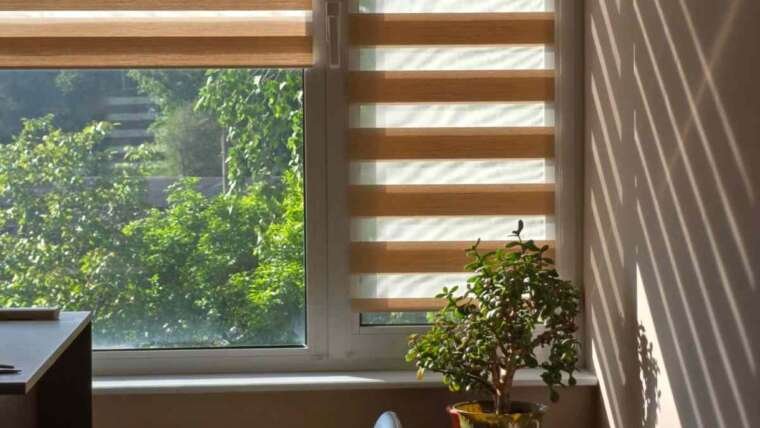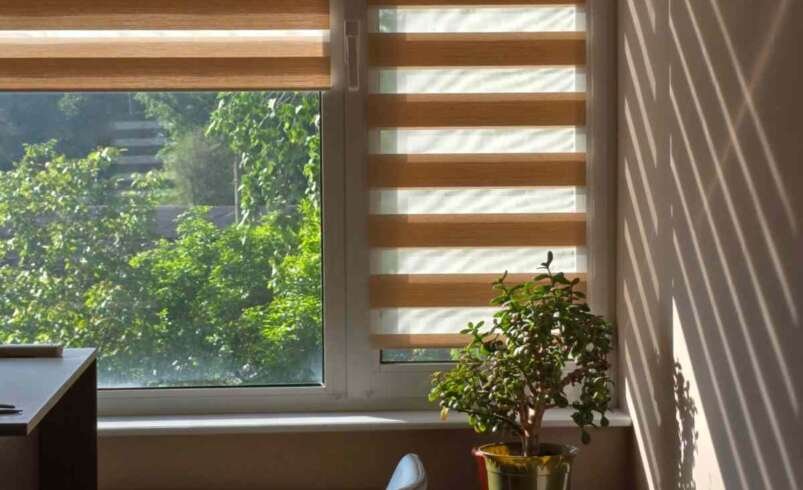

They bring in natural light, connect indoor spaces with the outdoors, and shape the atmosphere of everything from a quiet bedroom to a busy kitchen. However, uncovered windows can also create privacy concerns, distracting glare, and uncomfortable brightness at certain times of day. Classic blinds offer a practical way to manage these everyday challenges without making a room feel overly decorated.
For Virginia homeowners, selecting window coverings involves balancing appearance with functionality. Traditional houses, contemporary residences, and properties with large windows can all benefit from thoughtfully chosen blinds. The right design complements the surrounding interior while giving occupants greater control over daylight and privacy.
Why Do Classic Blinds Remain a Practical Window Treatment?
Classic blinds have a straightforward appeal: adjustable slats allow occupants to change the direction and amount of incoming light. Depending on the design, the slats can be tilted to soften direct sunlight, adjusted to reduce visibility from outside, or raised to open up the window.
This flexibility makes blinds useful in rooms with different purposes. A home office may need reduced screen glare during working hours, while a bedroom may require greater privacy in the evening. In a kitchen, easy operation and straightforward cleaning may matter more than decorative layering.
Blinds also provide a defined, orderly appearance. Their clean lines can complement traditional woodwork, neutral contemporary interiors, and transitional designs that combine older architectural details with modern furnishings.
Rather than choosing a window treatment simply because it looks attractive in a showroom, homeowners should consider how each room is used. A successful choice supports daily routines while fitting naturally into the home’s overall design.
Which Blind Materials Work Best for Different Rooms?
Material selection affects the appearance, maintenance requirements, and everyday performance of window blinds. Before deciding on a finish or color, consider the conditions each window experiences.
Wood Blinds for Warm, Traditional Interiors
Wood blinds can complement natural flooring, wood trim, classic furniture, and interiors that benefit from a warm visual element. Their texture helps a window feel connected to the surrounding architecture rather than appearing like a separate feature.
Color selection deserves particular attention. A finish that coordinates with existing woodwork can create a cohesive appearance, while a contrasting finish may provide a deliberate design accent. Neither approach is automatically better; the decision depends on the room’s colors, lighting, and decorative style.
Homeowners should also confirm that the proposed material suits the room’s moisture conditions. Natural wood may be less appropriate for consistently damp environments than a suitable alternative.
Faux Wood and Other Practical Alternatives
Faux wood blinds can offer a similar visual effect while providing another option for rooms where moisture or maintenance is a concern. Their suitability depends on the specific product, construction, and manufacturer’s care instructions.
Other blind materials may be appropriate when a lightweight appearance, a particular finish, or different operating characteristics are priorities. Comparing samples in the actual room can help reveal differences that are difficult to judge from photographs alone.
The best material is not necessarily the most expensive one. It is the option that meets the room’s practical requirements and remains consistent with the homeowner’s design preferences.
How Should Homeowners Balance Privacy and Natural Light?
Privacy and daylight are often competing priorities, particularly in rooms that face neighboring properties or receive strong direct sunlight. Classic blinds provide a way to adjust this balance throughout the day instead of relying on a fixed covering.
For example, tilting the slats can reduce direct views into a room while allowing some daylight to enter. The amount of privacy achieved depends on the slat angle, window position, lighting conditions, and sightlines from outside.
Bedrooms and bathrooms may require more careful planning than living rooms or studies. Homeowners should consider whether the window is overlooked, how the room is illuminated at night, and whether the chosen blind offers the required level of coverage.
It is also important to understand that ordinary blinds do not necessarily create complete darkness. Light may enter through gaps around the edges or between slats. Anyone who needs substantial room darkening should discuss suitable product designs and mounting options before making a decision.
What Should You Consider Before Choosing Classic Blinds in Virginia?
A good window treatment starts with the conditions inside the home, not simply the dimensions of the window. Sun exposure, interior finishes, room function, and operating preferences all influence the final choice.
Evaluate Sunlight and Window Orientation
Observe how sunlight enters each room at different times. A window that receives intense afternoon light may require a different approach from one that receives softer morning illumination.
Direct sunlight can contribute to glare and may gradually affect certain fabrics, finishes, and furnishings. Adjustable blinds help manage incoming light, although their effectiveness depends on the product and how it is installed and operated.
Virginia properties vary in architectural style and seasonal conditions. Therefore, homeowners should evaluate the specific rooms and windows rather than assume that a single blind style will perform equally well throughout the house.
Match the Finish to Existing Interior Details
Blind color and texture should work with the room’s established palette. Consider flooring, wall color, cabinetry, furniture, window trim, and nearby decorative elements before choosing a finish.
White and other light neutrals can create a restrained appearance, while darker finishes may emphasize the window’s shape. Wood-inspired tones can coordinate with traditional interiors, provided the color and grain do not compete with existing surfaces.
If several rooms are being updated, a consistent design direction can help the home feel connected. That does not mean every window needs identical blinds; variations in material or color may be appropriate when room functions differ.
Measure Carefully and Review Operating Options
Accurate measurements are essential for a neat appearance and suitable coverage. Inside-mounted blinds must fit the available window recess, while outside-mounted designs require enough space for the intended coverage and hardware.
Homeowners should confirm how the blinds will be operated, whether furniture or window handles could interfere, and whether any special access requirements affect the design. Cordless or motorized options may also be worth considering, depending on the window and household needs.
Before ordering, ask how measurements are taken, what installation is included, and how adjustments or product issues are handled. Clear answers help prevent avoidable surprises.
How Can Professional Guidance Help You Avoid Common Mistakes?
Selecting blinds involves more than choosing a color and width. A product that looks appealing on its own may feel out of proportion once installed, conflict with the window trim, or fail to provide the desired privacy.
Homeowners exploring custom Classic Blinds for Virginia Homes in Virginia can use the selection process to evaluate material, finish, operating style, and the relationship between the blinds and the room’s existing features. Reviewing these details together can help clarify which options suit the property and its everyday requirements.
Before committing to a particular design, consider asking the provider several practical questions:
- Which materials are appropriate for the room’s moisture and sunlight conditions?
- How will the blinds affect privacy during daylight and after dark?
- What mounting method will provide the intended appearance and coverage?
- How should the product be cleaned and maintained?
- Are replacement parts, repairs, or operating adjustments available if needed?
The answers should relate to the actual product being considered rather than broad promises that apply to every type of blind. Written specifications and clear installation details can make comparisons between options easier.
How Can Classic Blinds Fit Into a Long-Term Home Design?
Window treatments are part of a room’s visual structure, so it is worth considering how they will work with future decorating decisions. A highly distinctive finish may suit a current color scheme but become difficult to coordinate after a renovation. More restrained choices can offer flexibility when furniture, wall colors, or decorative accessories change.
Maintenance is another long-term consideration. Dust can collect on slats, and cleaning methods vary according to material and finish. Following the manufacturer’s instructions helps preserve the product’s appearance and avoids damage from unsuitable cleaners or excessive moisture.
Operating mechanisms deserve attention, too. Blinds that are easy to adjust are more likely to be used consistently, making everyday light management more convenient. For hard-to-reach windows, the operating method may be just as important as the material or color.
A thoughtful selection considers the entire life of the window treatment, from initial measurements to routine cleaning and eventual replacement. This approach encourages decisions based on lasting usefulness rather than short-lived design trends.
What Is the Best Way to Choose Blinds for Your Home?
Classic blinds can provide a useful combination of adjustable light, everyday privacy, and a clean architectural appearance. Their success depends on selecting a design that suits each window’s dimensions, exposure, room function, and surrounding decor.
Virginia homeowners can make more confident decisions by comparing appropriate materials, observing sunlight throughout the day, confirming measurement and installation details, and asking specific questions about maintenance and performance. Taking time to evaluate these factors helps ensure that the finished window treatment serves a genuine purpose while complementing the home.
Ultimately, the most suitable blinds are those that work with the way people live. When appearance, practicality, and room-specific needs are considered together, classic blinds can become a natural and functional part of a home’s interior.
More details are available at: Local Business Directory