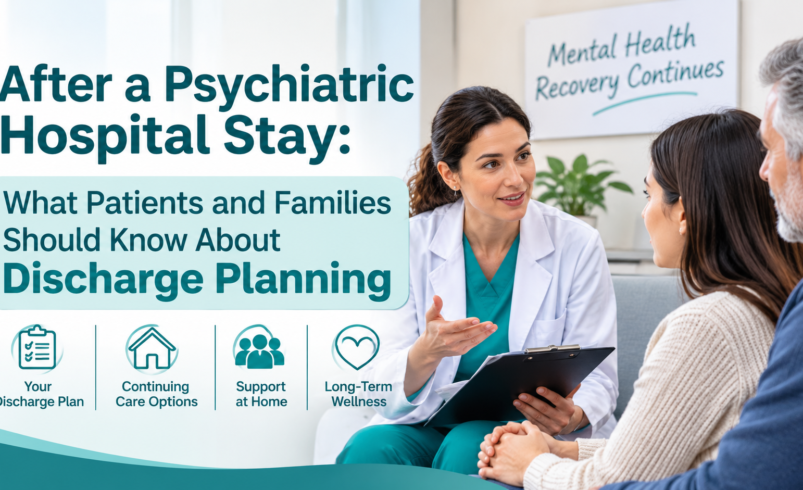

Leaving a psychiatric hospital can bring relief, hope, and uncertainty at the same time. After receiving intensive support in an inpatient setting, patients may be preparing to return home, resume daily activities, reconnect with family, or adjust to a new routine. However, the transition from hospital to home can also bring challenges, especially when ongoing mental health needs require attention.
A clear psychiatric hospital discharge planning process helps patients understand what comes next and ensures that important support is not lost when inpatient treatment ends. Discharge planning is more than deciding when someone can leave the hospital. It involves preparing the patient, arranging appropriate services, reviewing treatment instructions, and identifying resources that can help them manage the days and weeks ahead.
For patients and families, understanding these arrangements can make the transition feel more organized, manageable, and supported.
Why Discharge Planning Matters
Leaving a psychiatric hospital often means adjusting to a different level of structure and support. In the hospital, patients have access to a supervised environment and a treatment team. At home, they may need to manage daily routines, medications, emotional challenges, and personal responsibilities with less direct assistance.
A well-organized discharge plan helps identify potential difficulties before they become overwhelming. It gives patients a clearer understanding of their responsibilities, helps families know how to offer support, and allows outpatient providers to prepare for the patient’s ongoing needs.
Without clear instructions or coordinated services, patients may experience confusion about medications, struggle to access care, or feel unsure about what to do when symptoms return. Planning ahead can help reduce these gaps and make the transition more manageable.
Understanding the Psychiatric Discharge Summary and Instructions
Before leaving the hospital, patients should receive written information explaining their care and next steps. The discharge summary helps the next clinician understand what happened during the hospitalization, what treatment was provided, and what recommendations should guide ongoing care.
What should the discharge summary include?
A discharge summary may contain:
- The reason for hospitalization and relevant clinical information
- Diagnoses or conditions addressed during the stay
- Medication changes and the current medication list
- Recommendations for therapy, psychiatric care, or other services
- Important observations and concerns for the next care provider
- The patient’s recovery goals and any continuing support needs
The psychiatric discharge instructions should be understandable and practical. Patients should know which medications to continue, which medications were stopped or changed, how to take them, and whom to contact if they experience side effects or have questions.
If any instructions seem confusing or conflicting, patients should ask the hospital team to explain them before leaving. Keeping the paperwork in one accessible place can also help patients, caregivers, and clinicians refer to the same information when needed.
Arranging Care After Hospitalization
Leaving an inpatient unit does not necessarily mean that mental health treatment is complete. Some people may need ongoing therapy, medication management, structured outpatient programs, community support, or help with daily responsibilities while adjusting to life outside the hospital.
Mental health care after hospitalization should reflect the patient’s current needs, progress, and recovery goals. The appropriate level of care may differ from person to person. Some patients may return to regular outpatient services, while others may need more structured support during the transition.
The discharge team should clarify which services have been arranged and which steps the patient still needs to complete independently. Patients can ask whether referrals have been sent, whether providers have received the necessary records, and what to do if an appointment or service is delayed.
Making the transition to outpatient care easier
The transition from inpatient to outpatient mental health care works best when the next provider is aware of the patient’s recent hospitalization, treatment changes, and ongoing concerns.
Whenever possible, the transition should include communication between the hospital and the receiving provider instead of relying entirely on patients to explain their history. Relevant records, medication information, care recommendations, and safety concerns can help the outpatient clinician understand the patient’s needs from the beginning.
Patients can also ask whether there is a way to contact their next care provider before discharge. Knowing who will be involved in ongoing care and how to reach that person can reduce uncertainty during the first days at home.
Medication Changes and Managing Daily Needs
Medication changes are often an important part of leaving a psychiatric hospital. A patient may have started a new medication, adjusted a previous dose, discontinued a medication, or been advised to monitor certain effects.
Before leaving, patients should understand their current medication routine. This includes the medication name, dose, timing, purpose, and any instructions about missed doses or possible side effects. They should also know which clinician to contact with medication-related concerns rather than making changes on their own.
Practical needs deserve similar attention. A patient may need transportation to appointments, assistance collecting prescriptions, help with meals, or a quiet and supportive home environment. Planning for these details can prevent avoidable stress from interfering with recovery.
If financial concerns, housing difficulties, limited mobility, or other barriers could affect access to care, patients and families should raise them with the discharge team early. These challenges may require additional community resources or coordination.
Creating a Safety Plan for the First Days at Home
A safety plan is a practical guide for recognizing when emotional distress or symptoms may be worsening and deciding what to do next. It should be specific to the patient rather than a generic list of instructions.
A useful plan may identify:
- Changes in mood, sleep, thinking, behavior, or daily functioning that may signal distress
- Personal situations or stressors that can make symptoms harder to manage
- Coping activities and supportive people the patient can contact
- Professional contacts for urgent mental health concerns
- Crisis services or emergency options if immediate safety becomes a concern
Patients and families should know the difference between a concern that can be discussed with an outpatient clinician and a situation that needs urgent help. If someone is at immediate risk of harming themselves or another person, seek emergency assistance rather than waiting for a scheduled appointment.
Having a written safety plan that is easy to find can help patients and support people to respond more calmly during difficult moments.
How Families Can Support the Discharge Process
With the patient’s permission, family members or trusted caregivers can be valuable partners in discharge planning. They may help organize medications, arrange transportation, prepare the home environment, and recognize changes in the patient’s condition.
Family involvement in discharge planning should be supportive, respectful, and based on the patient’s preferences and privacy rights. Families should not be expected to replace professional care or manage situations they are not equipped to handle.
Caregivers can ask the treatment team what signs they should watch for, what type of support may be helpful, and how to respond if the patient begins struggling. They can also discuss their own limitations, work responsibilities, and need for guidance.
Clear expectations help prevent misunderstandings. Patients may need time to adjust, and family members may need time to learn how to support them without placing pressure on either side.
Staying Connected With the Care Team
Good communication between inpatient and outpatient providers helps reduce gaps in treatment. When clinicians share relevant information and clarify their responsibilities, patients are less likely to be left uncertain about where to seek help.
Continuity of psychiatric care includes more than maintaining contact with a psychiatrist. Depending on the patient’s needs, it may involve therapists, primary care clinicians, case managers, social workers, community mental health teams, and other support professionals.
Patients should know who is responsible for different parts of their care. For example, one provider may oversee psychiatric medication, while another helps with therapy or community resources. Understanding these roles can prevent confusion if a concern arises.
If a patient has not received expected contact from a provider, is unable to obtain prescribed medication, or discovers that a referral has not been completed, they should contact the discharge team or appropriate service to clarify the next step.
A Practical Psychiatric Discharge Checklist
Use this psychiatric discharge checklist to review important arrangements before leaving the hospital. Not every item applies to every patient, but reviewing these points can help identify missing information.
- I understand my discharge summary and treatment recommendations.
- I have an updated medication list and understand how to take my medications.
- I know which provider or service will manage my ongoing care.
- I have the details of my next appointment or know how it will be arranged.
- I know how to contact my care team if questions or concerns arise.
- I have a written safety plan and know my crisis options.
- I know which symptoms or changes should prompt me to seek help.
- Transportation and living arrangements have been considered.
- I know which support people can help and what they can realistically do.
- I have information about community or support resources, if needed.
This checklist is a preparation tool, not a substitute for the individual discharge instructions provided by the treating team.
Questions Patients and Families Should Ask Before Discharge
Patients and caregivers do not need to understand every medical detail to participate meaningfully in discharge planning. Asking straightforward questions can help clarify expectations and reduce confusion.
Consider asking:
- What are the most important things I should focus on during the first few days at home?
- Which medications have changed, and what should I do if I experience a side effect?
- Who should I contact if my symptoms become worse or my care plan is not working?
- Has my next provider received information about my hospitalization?
- What support is available if I have difficulty managing daily activities?
- What should my family or caregiver know about supporting me?
- What should I do if I cannot attend an appointment or access a recommended service?
Patients should feel encouraged to ask for explanations in plain language and request written information whenever possible.
Finding Support Beyond the Hospital
Recovery after hospitalization may involve gradual adjustments to sleep, routines, relationships, work, school, and personal responsibilities. Some days may feel easier than others. Maintaining realistic expectations and asking for support when challenges arise can help patients avoid feeling that they must manage everything alone.
For those continuing care outside an inpatient setting, outpatient psychiatry can provide support with medication concerns, changing symptoms, and ongoing treatment needs. Cordial Psychiatry offers psychiatric services in New York, including medication management, psychiatric evaluations, and telepsychiatry. Patients seeking continued professional support can explore psychiatric and telepsychiatry services to learn more about available care options.
Additional information about safe transitions and ongoing behavioral health support is available through the Substance Abuse and Mental Health Services Administration (SAMHSA), which outlines practices for strengthening connections between inpatient and outpatient care.
Frequently Asked Questions
1. What should patients do if their belongings or personal documents are missing at discharge?
Patients should ask hospital staff to check for personal belongings, identification, paperwork, and items stored during admission before leaving. Confirming these details at discharge can prevent difficulties retrieving important items later.
2. Are patients discharged from psychiatric hospitals on weekends or holidays?
Discharge timing depends on the hospital’s policies, clinical decisions, and whether necessary arrangements are in place. Patients and families can confirm the expected discharge date in advance to prepare for transportation and other practical needs.
3. What happens if a patient’s family cannot provide support after discharge?
Family support is not always available or appropriate. The discharge team may consider other resources, such as community mental health services, case management, supportive housing, or other care arrangements based on the patient’s needs and local availability.
4. Do all patients need the same discharge arrangements after a psychiatric hospital stay?
No. Discharge arrangements vary depending on the patient’s condition, level of independence, living situation, available resources, and ongoing care needs. Some may return home with outpatient support, while others may require a more structured setting.
Conclusion
Preparing to leave a psychiatric hospital is an important step that deserves time, clear communication, and practical support. Understanding written instructions, confirming ongoing care arrangements, reviewing a safety plan, and addressing everyday needs can make the transition home less confusing.
Patients and families should feel empowered to ask questions, clarify responsibilities, and communicate concerns. With a coordinated plan and appropriate post-hospital mental health support, the move from inpatient care to life outside the hospital can become a more informed and supported part of recovery.