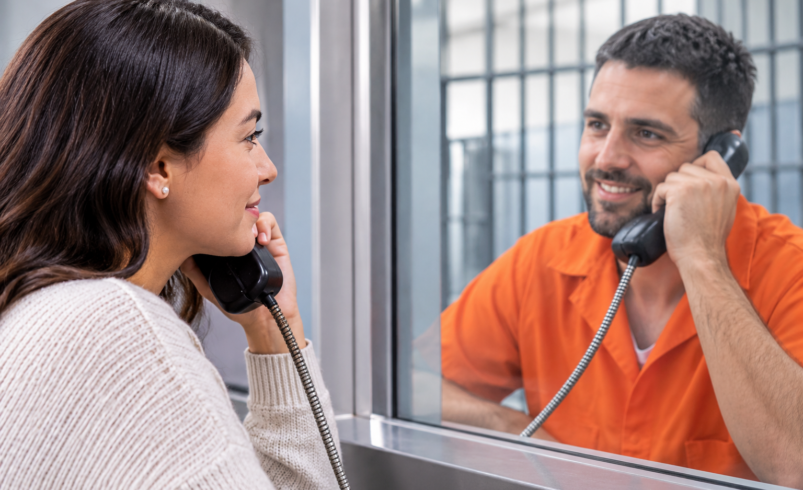

Phone calls are one of the most important ways for inmates to stay connected with their family members and friends. These conversations allow them to share updates, discuss family matters, receive emotional support, and maintain relationships while serving their sentences. However, many people have questions about the privacy of these conversations. One common concern is whether inmate telephone calls are monitored or recorded by prison authorities.
In most correctional facilities, regular inmate phone calls are recorded or monitored to maintain security and ensure that communication follows prison rules. These measures help prevent illegal activities, protect inmates, and support the safety of staff and the public. However, the exact rules can vary depending on the facility and local laws.
Understanding how phone monitoring works can help families know what to expect before accepting a call. With useful information from Prison Engine, families can learn more about prison phone systems and the rules that affect communication with incarcerated individuals.
Why Are Inmate Telephone Calls Monitored?
Prisons have strict rules to maintain a safe and controlled environment. Since inmates communicate with people outside the facility, authorities may need to monitor these conversations to prevent possible security problems.
Phone monitoring helps prison staff identify conversations that may involve threats, illegal activities, harassment, or attempts to break facility rules. It can also help authorities respond to possible risks involving inmates, staff members, or the public.
Monitoring does not mean that inmates are not allowed to speak freely with their families. They can still make approved calls and discuss everyday matters. However, they should understand that regular conversations may be recorded and reviewed.
Inmate Telephone Calls are therefore subject to certain conditions that are different from ordinary personal phone conversations.
Are All Prison Phone Calls Recorded?
Many correctional facilities record regular inmate phone calls automatically. These recordings may be stored in a system and reviewed by authorized staff when necessary.
Before a call begins, the phone system may play an automated message informing both people that the conversation can be monitored or recorded. This announcement helps callers understand the privacy rules before continuing.
However, recording policies are not the same everywhere. Some facilities may record most regular calls, while others may follow different procedures based on security requirements and local regulations.
It is also important to understand that recording a call does not mean someone is always listening to it. In many cases, conversations are stored and reviewed only when there is a reason to do so.
How Does Prison Phone Call Monitoring Work?
Correctional facilities use phone systems that help manage inmate communication. These systems control approved contacts, calling times, call duration, and other communication activities.
When an inmate makes a call, they may need to select an approved contact from their calling list. Once the call connects, the system may record the conversation and save information about the call.
This information can include the date, time, duration, and telephone number involved. Depending on the facility, staff may also use monitoring tools to identify unusual calling activity.
Some facilities review calls when they receive information about a possible security concern. The exact monitoring process depends on the prison’s rules and available systems.
What Information Can Be Monitored?
Depending on facility policies, prison phone systems may collect information such as:
- The phone number contacted by the inmate.
- The date and time of the conversation.
- The total length of the call.
- The audio recording of the conversation.
- Calling history and account-related details.
This information helps correctional authorities manage phone access and investigate possible violations.
Can Prison Staff Listen to Inmate Conversations?
Yes, authorized prison staff may listen to recorded conversations when facility policies allow it. However, this does not mean that every call is listened to while it is happening.
Correctional facilities handle many calls every day, so reviewing every conversation individually may not be practical. Instead, staff may use recorded conversations and monitoring systems to identify calls that need further attention.
For example, if authorities suspect that an inmate is using phone communication to arrange unauthorized activities, they may review relevant recordings.
Families should remember that conversations made through regular prison phone systems may be available for later review. Keeping discussions respectful and following the facility’s rules can help prevent unnecessary problems.
Are Inmate Telephone Calls Private?
Regular prison phone calls should generally not be considered private. Unlike calls made from a personal mobile phone, inmate communication is usually controlled by correctional facility rules.
Inmates can still communicate with approved family members and friends, but they must follow certain conditions. These may include contact approval, calling schedules, time limits, and recording policies.
Some types of communication receive special legal protection. For example, properly arranged conversations between inmates and their lawyers are generally treated differently from ordinary social calls.
Families should understand these differences before discussing sensitive personal, financial, or legal matters over a regular prison phone connection.
Are Calls Between Inmates and Their Lawyers Recorded?
Communication between inmates and their lawyers generally receives special confidentiality protection. This allows inmates to discuss legal matters and receive advice without the same monitoring conditions that apply to regular social calls.
However, facilities usually have separate procedures for arranging these conversations. An inmate or lawyer may need to request approval, verify their identity, or schedule a call through an approved process.
The exact requirements depend on the correctional facility and applicable laws. Simply calling a lawyer’s office does not automatically make a conversation confidential.
For this reason, inmates and their legal representatives should confirm the correct process before discussing private legal information.
What Happens If a Recorded Call Contains Suspicious Information?
If prison authorities find information that may involve a security concern or a violation of facility rules, they may review the conversation more closely.
The action taken depends on the situation and the information available. Possible steps may include additional monitoring, an internal investigation, or temporary restrictions on phone access.
For example, if a conversation includes threats or plans for unauthorized activities, prison staff may investigate the matter according to facility procedures.
Not every unusual conversation automatically results in disciplinary action. Authorities generally consider the situation and relevant evidence before deciding what steps to take.
What Should Families Know Before Making Prison Phone Calls?
Families should understand the phone rules before accepting calls from an incarcerated loved one. Knowing these requirements can prevent confusion and make communication easier.
Two important things to remember are:
1. Check the Facility’s Phone Rules
Every correctional facility may have different calling procedures. Families should check whether the inmate needs an approved contact list, whether calls have time limits, and whether an account must be funded before communication can begin.
2. Avoid Sharing Highly Sensitive Information
Since regular prison calls may be recorded, families should be careful when discussing private matters. Legal conversations should take place through properly arranged confidential channels rather than ordinary social calls.
Common Reasons Why Inmate Phone Calls May Be Interrupted
Sometimes, a prison phone call may disconnect or fail to connect. This does not always mean that the conversation was flagged by prison authorities. Technical issues and account problems can also cause interruptions.
| Reason | Explanation |
| Call time limit | The facility’s maximum call duration has been reached. |
| Low account balance | There may not be enough money to continue the call. |
| Unapproved number | The contact may not be on the approved calling list. |
| Technical issue | The phone system may have a connection problem. |
| Facility restrictions | Temporary phone access limits may be in place. |
| Security concerns | The facility may restrict communication under its rules. |
If calls continue to disconnect, families can check the calling account or contact the correctional facility for assistance.
How Does Prison Engine Help Families Understand Inmate Communication?
Understanding prison phone rules can be difficult, especially for families arranging their first call with an incarcerated loved one. People may have questions about account setup, calling costs, approved contacts, and recording policies.
Prison Engine provides useful information about prison communication and inmate calling services. Families can explore these topics to understand how prison phone systems generally work and what they should know before making calls.
Learning about inmate telephone calls can help families prepare for conversations, understand possible restrictions, and avoid common communication problems. Having the right information makes it easier to stay connected with loved ones while following correctional facility rules.
Conclusion
Inmate phone calls help incarcerated individuals maintain important relationships with family members and friends. However, most regular conversations are monitored or recorded to support prison security and ensure that communication follows facility rules.
Understanding these policies helps families know what to expect and avoid sharing sensitive information through ordinary phone calls. It is also important to remember that properly arranged legal conversations may receive special confidentiality protection.
With helpful information from Prison Engine, families can learn more about inmate telephone calls, calling procedures, and common communication rules. This knowledge can make staying connected with incarcerated loved ones easier and less stressful.
FAQs About Inmate Telephone Calls
1. Are all inmate telephone calls recorded?
Most regular inmate telephone calls are recorded in many correctional facilities. However, the rules can vary depending on the institution and local laws. Certain legally protected conversations may follow different procedures to maintain confidentiality.
2. Can prison staff listen to recorded inmate calls?
Yes, authorized prison staff may listen to recorded conversations when permitted by facility rules. Calls may be reviewed because of security concerns, suspected rule violations, or investigations. However, not every recorded conversation is personally reviewed.
3. Are conversations between inmates and lawyers monitored?
Conversations between inmates and their lawyers generally receive special legal protection. However, both parties must follow the facility’s approved procedures to arrange confidential calls and make sure their communication receives the proper protection.
4. Do inmates know when their phone calls are recorded?
Many prison phone systems play an automated message before connecting a call. This message informs both parties that the conversation may be monitored or recorded, helping them understand the privacy conditions before continuing.
5. Can families stop inmate phone calls from being recorded?
Families generally cannot turn off recording for regular prison phone calls because monitoring is controlled by correctional facility policies. If a conversation requires privacy, they should use an approved confidential communication method instead.