
A healthy, green lawn can make any property look more attractive while creating a comfortable outdoor space for family activities, relaxation, and entertaining guests. However, maintaining a beautiful lawn requires more than regular mowing and watering. Soil conditions, root development, and proper access to nutrients all play important roles in keeping grass healthy. Lawn aeration is one of the most effective ways to improve soil conditions and encourage stronger grass growth. Choosing the best lawn aeration company can help homeowners achieve better results while understanding the lawn aeration cost involved in maintaining their outdoor spaces.
What Is Lawn Aeration?
Lawn aeration is a landscaping process that creates small holes in the soil to improve the movement of air, water, and nutrients into the ground. Over time, soil can become compacted because of foot traffic, lawn equipment, rainfall, and everyday outdoor activities. Compacted soil makes it harder for grass roots to spread and absorb the resources they need.
Aeration helps loosen compacted soil and creates more favorable conditions for root development. It can also improve water absorption, reduce surface runoff, and support thicker grass growth. When performed at the appropriate time, aeration can help lawns recover from stress and become more resilient throughout the growing season.
Why Hire the Best Lawn Aeration Company?
Although some homeowners choose to aerate their lawns themselves, professional service can provide several advantages. An experienced lawn care company understands different soil conditions, grass varieties, and seasonal requirements. These factors help determine the most appropriate aeration method for a particular property.
The best lawn aeration company will evaluate the lawn before recommending a service. This assessment may include checking soil compaction, identifying thin or damaged areas, and determining whether the lawn would benefit from core aeration or another treatment.
Professional technicians also have access to specialized equipment designed to handle lawns of different sizes. This equipment can create consistent openings in the soil and help ensure that the treatment covers the necessary areas.
Another benefit of professional aeration is convenience. Homeowners can save time and avoid the physical effort associated with operating heavy lawn care equipment. A reliable provider can also recommend additional services, such as overseeding, fertilization, or soil improvement, when appropriate.
Understanding Lawn Aeration Cost
One of the most common questions homeowners ask before scheduling service concerns the lawn aeration cost. The total price can vary depending on several factors, including lawn size, soil condition, equipment requirements, and the type of aeration selected.
Smaller residential lawns generally require less time and labor than large properties. As a result, the overall service price may be lower for smaller areas. Larger lawns may require additional equipment operation and more time to complete the treatment properly.
Soil condition can also affect pricing. A lawn with severe compaction may require more attention than one with relatively loose soil. Similarly, properties with slopes, narrow access points, landscaping obstacles, or irregular layouts may require additional labor.
The aeration method is another consideration. Core aeration removes small plugs of soil from the ground, helping relieve compaction. Other methods may create openings without removing soil plugs. The appropriate option depends on the lawn’s condition and the provider’s recommendations.
When comparing lawn aeration cost, homeowners should request a detailed estimate that explains the services included. Some companies may offer aeration alone, while others provide packages that include overseeding or fertilization. Comparing these details makes it easier to understand the value of each option.
Signs Your Lawn Needs Aeration
Recognizing the signs of soil compaction can help homeowners determine when professional aeration may be beneficial. One common indication is water pooling on the lawn after rainfall or irrigation. When water cannot penetrate the soil efficiently, it may remain on the surface or run off into nearby areas.
Thin grass is another possible sign. Compacted soil can restrict root growth, making it difficult for grass to access water and nutrients. As a result, certain sections of the lawn may appear weak, patchy, or discolored.
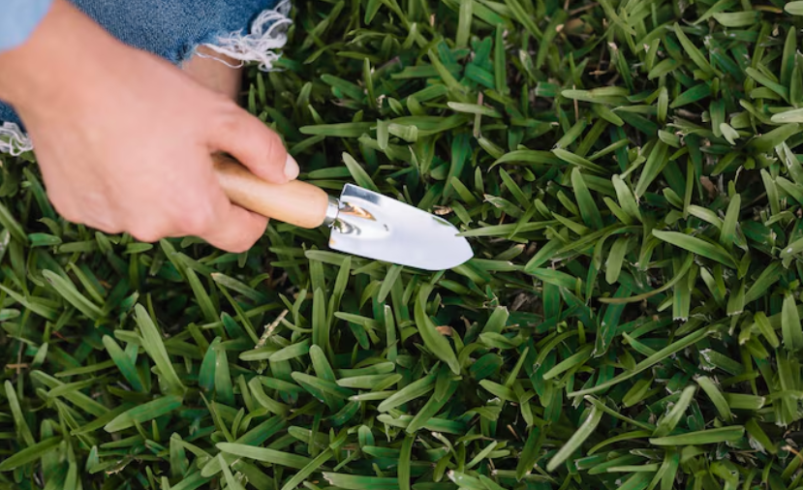
Hard soil that is difficult to penetrate with a garden tool may also indicate compaction. Lawns that receive frequent foot traffic, support outdoor activities, or experience repeated equipment use are particularly susceptible.
If your lawn has these problems, consulting the best lawn aeration company can help identify the underlying causes and determine whether aeration is the right solution.
Choosing the Right Aeration Method
Core aeration is widely used for lawns affected by compacted soil. During this process, a machine removes small plugs of soil from the ground. These openings allow air, water, and nutrients to move more effectively toward the root zone.
Core aeration is often beneficial for clay-heavy soils and lawns that receive substantial foot traffic. The removed soil plugs typically break down naturally over time, returning organic material to the lawn surface.
Liquid or other non-core treatments may be offered by certain lawn care providers. However, these methods do not necessarily provide the same physical removal of soil as core aeration. Homeowners should ask providers to explain how their recommended treatment addresses the specific condition of the lawn.
A knowledgeable professional can evaluate soil type, grass health, and seasonal conditions before suggesting the most suitable approach.
The Benefits of Seasonal Lawn Aeration
Timing is an important part of successful lawn care. Aeration is generally most effective when grass is actively growing and can recover from the treatment. The ideal season depends on the grass variety and local climate.
Cool-season grasses commonly benefit from aeration during early fall or spring, while warm-season grasses are often aerated during their active growing period in late spring or summer. Local weather conditions and soil moisture should also influence scheduling.
Aerating soil that is excessively dry can make the process difficult, while overly wet soil may become damaged by equipment. A professional can determine when conditions are suitable for treatment.
Regular aeration, when needed, can support stronger roots, improve water penetration, and create better conditions for overseeding. However, not every lawn requires aeration every year. The frequency should depend on soil compaction, lawn use, and overall turf health.
How to Get the Best Value for Your Lawn Care Budget
Homeowners can manage lawn maintenance expenses by comparing service estimates and choosing treatments based on actual lawn conditions. Instead of selecting a provider solely because of the lowest quoted price, consider the company’s experience, equipment, service details, and communication.
Ask whether the estimate includes the entire lawn, difficult-to-access sections, and any recommended follow-up treatments. If overseeding or fertilization is suggested, request separate pricing so you can decide which services fit your budget.
Understanding lawn aeration cost also means considering the long-term value of healthier soil. Improved root development and better water absorption may support more efficient lawn maintenance, although results depend on weather, grass type, watering practices, and other conditions.
Homeowners should also maintain appropriate mowing heights, water deeply when needed, and avoid excessive traffic on stressed grass. These habits complement aeration and help create a healthier outdoor environment.
Questions to Ask Before Hiring a Lawn Aeration Provider
Before choosing a company, ask about its experience with your type of lawn and whether it offers core aeration. Find out how the service will be performed, what preparation is required, and whether you should water the lawn beforehand.
It is also helpful to ask when you can expect to see improvements and whether additional treatments are recommended. A trustworthy provider should explain the expected benefits without promising immediate or guaranteed results.
Requesting a written estimate helps clarify the scope of work and prevents misunderstandings about pricing. Comparing several providers can help you identify a company that offers dependable service at a reasonable rate.
Conclusion
Lawn aeration is an important part of maintaining healthy grass, improving soil conditions, and encouraging stronger root development. By relieving compaction and helping water and nutrients reach the root zone, aeration can support a thicker and more attractive lawn when combined with proper maintenance.
Selecting the best lawn aeration company involves evaluating experience, equipment, service quality, and recommendations tailored to your property. At the same time, understanding lawn aeration cost allows you to compare estimates, plan your landscaping budget, and choose services that meet your needs.
With professional guidance, appropriate seasonal timing, and consistent lawn care practices, homeowners can create healthier outdoor spaces and enjoy a lawn that remains attractive throughout the growing season.