

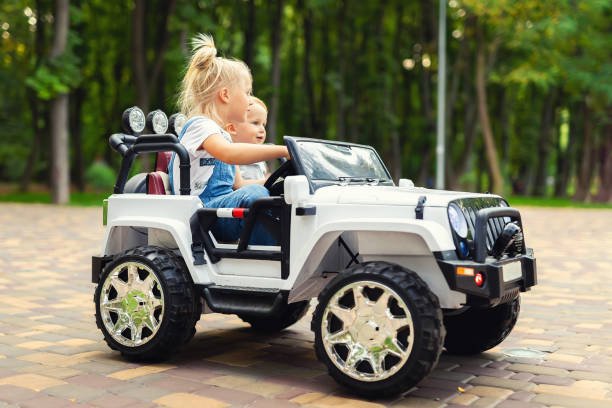

Children’s electric riding cars have become a popular choice for outdoor play. These battery-powered vehicles allow children to enjoy driving-style activities in suitable private spaces.
Modern ride-on cars come in many shapes, sizes, and designs. Some look like small cars, while others resemble SUVs, jeeps, or utility vehicles.
Choosing the right model requires more than looking at its appearance. Parents should consider age, size, battery power, speed, safety features, and suitable places for use.
What Are Children’s Electric Riding Cars?
Children’s electric riding cars are small battery-powered vehicles designed for children. They normally use rechargeable batteries and electric motors to move the vehicle.
Depending on the model, children may control the vehicle using a steering wheel, accelerator pedal, and other simple controls.
Many models also include a parental remote control. This allows an adult to help control the vehicle when necessary.
Common Types of Electric Riding Cars
There are several styles available for different ages and preferences.
Electric Toy Cars
Small electric cars are often designed for younger children. They usually have simple controls and modest speeds.
Electric Ride-On Jeeps
Ride-on jeeps have a larger design and may be suitable for children who want a more realistic driving experience.
Electric SUVs
SUV-style ride-ons often have larger bodies and can include two seats. Their larger size may make them suitable for older children within the manufacturer’s limits.
Two-Seater Ride-On Cars
Two-seat models allow two children to sit together when the manufacturer’s weight limit allows it.
Parents should check the combined weight capacity before allowing two children to use the vehicle.
Choosing the Right Battery
Battery power is an important part of an electric riding car.
12V Batteries
12V systems are common in smaller children’s vehicles. They can provide enough power for basic play on suitable flat surfaces.
24V Batteries
24V systems are often found in larger ride-on vehicles. They can provide more power and may perform better on suitable outdoor surfaces.
Battery performance depends on several factors. Child weight, terrain, temperature, driving style, and battery condition can all affect running time.
What Age Are Electric Riding Cars Suitable For?
Age recommendations vary between products. Some models are designed for younger children, while larger vehicles are intended for older children.
Parents should always check the manufacturer’s recommended age range. Height and maximum weight are also important.
A child should be able to sit comfortably and understand basic instructions before using the vehicle.
Important Safety Features
Safety should be one of the main considerations when choosing a ride-on car.
Parental Remote Control
A remote control allows an adult to stop or control the vehicle when required. It can provide additional supervision for younger children.
Safety Belts
Some models include safety belts. These can help keep children securely positioned during use.
Speed Settings
Several ride-on vehicles provide different speed settings. Starting with a slower setting can help children become familiar with steering and stopping.
Automatic Braking
Some models include braking systems that stop the vehicle when the accelerator is released. The exact system depends on the design.
Where Can Children Use Electric Riding Cars?
Electric riding cars should be used in safe, suitable private areas.
A flat garden, private driveway, or designated play area may be suitable when properly supervised.
Children should not use these vehicles on public roads. Busy car parks, steep slopes, roads, and areas with traffic should also be avoided.
The surface should be checked before use. Large stones, deep mud, standing water, and other obstacles can affect vehicle control.
Features Found on Modern Ride-On Cars
Children’s electric riding cars can include several additional features.
Common examples include:
- Working headlights
- Horn sounds
- Music functions
- Bluetooth connectivity
- USB or media connections
- Battery indicators
- Opening doors
- Suspension systems
- EVA or plastic tyres
These features can make the vehicle more enjoyable, although they should not replace important safety considerations.
How Long Does the Battery Last?
Running time differs between models. A battery may last longer when the vehicle is used on a flat surface with a lighter load.
Frequent stopping and starting can also affect battery performance.
Parents should follow the manufacturer’s charging instructions. Using the correct charger is important for safe and reliable operation.
How to Maintain an Electric Ride-On Car
Regular checks can help keep a children’s electric riding car in good condition.
Inspect the wheels, steering, pedals, and body before use. Look for loose components or visible damage.
Keep the vehicle clean and dry. Avoid exposing electrical parts to excessive water.
The battery should be charged according to the manufacturer’s instructions. When storing the vehicle for a long period, follow the recommended battery storage procedure.
What Should Parents Check Before Buying?
Before buying children’s electric riding cars, compare the important specifications rather than choosing based only on appearance.
Check the recommended age and maximum weight. Then consider the battery voltage, motor power, maximum speed, dimensions, and running time.
It is also useful to check whether a parental remote, safety belt, and suitable speed settings are included.
Storage space should also be considered because larger ride-on cars can require considerable room.
Final Thoughts
Children’s electric riding cars can provide an enjoyable way for children to experience outdoor play. Different models offer different battery systems, sizes, speeds, and features.
The right choice depends on the child’s age, size, experience, and intended place of use. Parents should always follow the manufacturer’s instructions and supervise children during every ride.