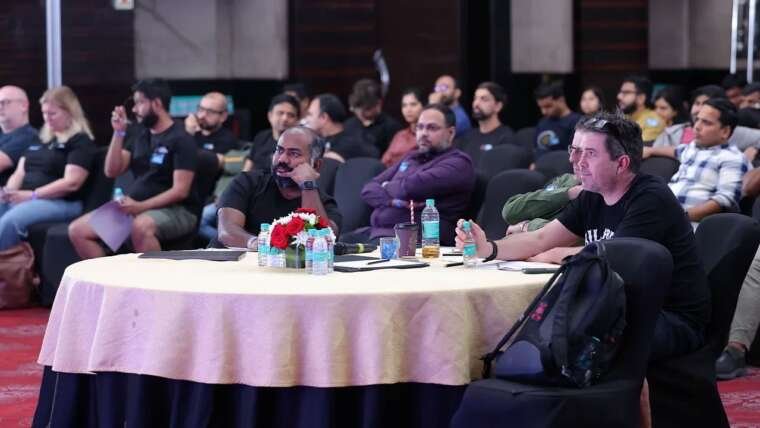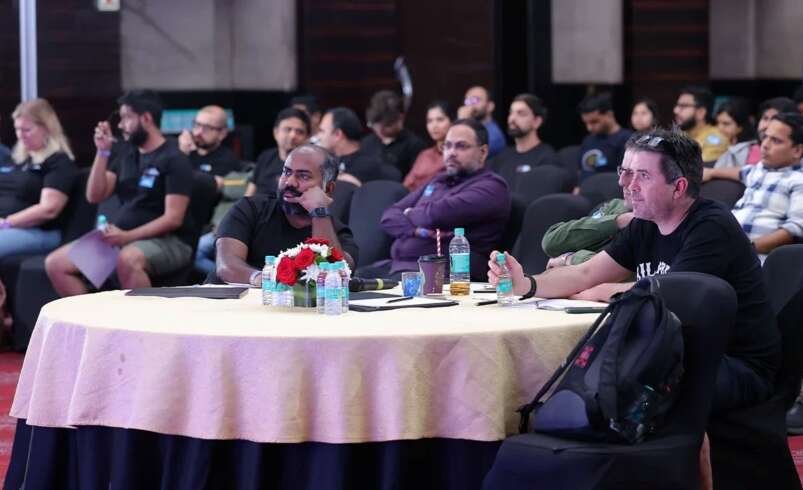

In today’s competitive business environment, successful teams need more than individual expertise. Effective communication, mutual trust, and collaboration help employees work towards shared goals. Corporate events for team building provide organisations with opportunities to bring employees together, encourage fresh thinking, and develop stronger professional relationships outside their everyday work routines.
Why Team Building Matters in the Workplace
A positive workplace culture develops when employees feel comfortable sharing ideas, solving problems, and supporting their colleagues. Team-building activities create an environment where people can interact beyond their usual responsibilities and understand different working styles.
These experiences can help organisations improve communication, encourage cooperation between departments, and create opportunities for employees to develop leadership skills. When activities are designed around clear objectives, businesses can connect employee engagement initiatives with broader organisational goals.
Popular Corporate Team-Building Event Ideas
1. Problem-Solving Challenges
Group challenges encourage employees to analyse situations, exchange ideas, and make decisions together. Activities such as puzzle-solving competitions, escape-room experiences, and workplace simulations can help participants practise logical thinking while learning to appreciate different perspectives.
2. Outdoor Team Activities
Outdoor experiences offer employees a break from their regular office environment. Treasure hunts, relay challenges, and carefully planned group games encourage participation, coordination, and friendly competition. Activities should be selected according to participants’ abilities, accessibility requirements, and safety considerations.
3. Creative Workshops
Creative sessions allow employees to explore ideas through collaborative projects. Art workshops, group storytelling, and innovation challenges can encourage imagination and give team members opportunities to contribute in different ways. These formats are particularly useful when organisations want to encourage fresh thinking.
4. Leadership and Communication Sessions
Facilitated workshops can help employees practise active listening, delegation, feedback, and decision-making. Scenario-based exercises allow participants to explore workplace situations in a structured setting and discuss how different communication approaches influence team outcomes.
5. Corporate Offsites and Retreats
An offsite provides teams with dedicated time to connect, review shared objectives, and participate in planned activities away from their usual work environment. A balanced programme may combine team-building sessions, informal networking, leadership discussions, and opportunities for relaxation.
How to Plan a Successful Team-Building Event
Organising an effective event begins with understanding the team. Businesses should identify whether their main priority is improving communication, welcoming new employees, strengthening leadership, or recognising achievements.
Once the objective is clear, organisers can select a suitable format, venue, duration, and activity schedule. The programme should account for team size, employee interests, budget, accessibility, and practical logistics.
Clear communication before the event also matters. Sharing the purpose and schedule helps employees understand what to expect and encourages participation. During the event, activities should remain inclusive, engaging, and appropriate for different personalities and physical abilities.
Afterwards, collecting feedback can help organisers understand which activities participants found useful and identify opportunities for future programmes.
The Role of Professional Event Management
Coordinating a corporate gathering involves several responsibilities, including venue selection, activity planning, supplier coordination, scheduling, technical arrangements, and on-site management. Without proper preparation, even an engaging concept can become difficult to execute smoothly.
Working with an experienced event management team can help businesses coordinate these requirements and maintain consistency throughout the programme. Organisations planning employee engagement initiatives can explore the services offered by SKIL Events, a corporate event management company in Delhi, for information about corporate gatherings, leadership offsites, employee engagement, and team-building experiences.
Professional planning also helps align the event format with the company’s objectives, audience, and available resources.
Measuring the Value of Team-Building Events
The success of a team-building programme should not be judged solely by attendance or how much participants enjoyed the activities. Organisations can also consider employee feedback, participation levels, perceived communication improvements, and whether the programme supported its original objectives.
Managers may use follow-up discussions or short feedback surveys to understand what participants learned and how those lessons could be applied at work. These insights can guide future events and help businesses make employee engagement initiatives more relevant.
Conclusion
Corporate team-building events offer organisations a practical way to encourage collaboration, strengthen workplace relationships, and create shared experiences. From creative workshops and outdoor challenges to leadership sessions and corporate offsites, the most suitable format depends on the team’s needs and the organisation’s goals.
With thoughtful planning, inclusive activities, and clear objectives, businesses can create meaningful experiences that support stronger working relationships and a more connected workplace culture.