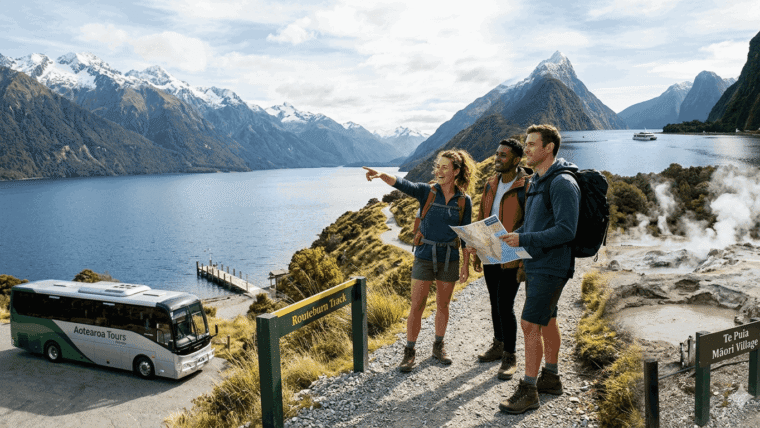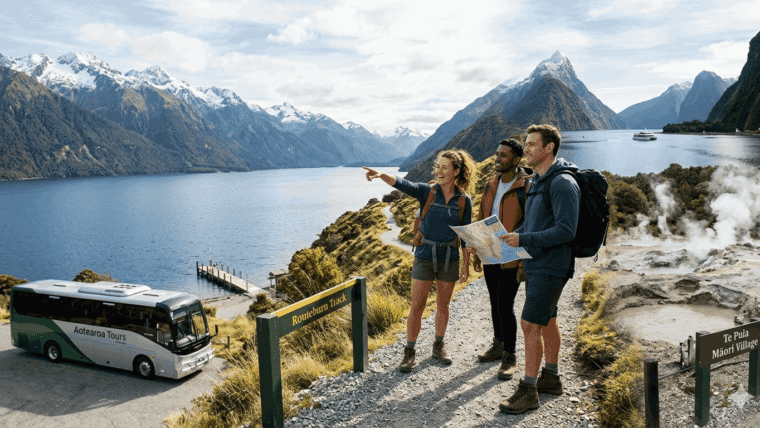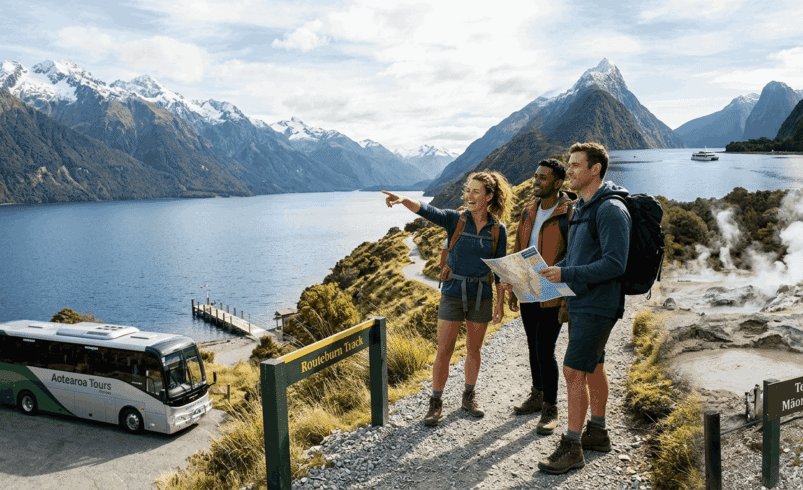

Planning a New Zealand tour feels like opening a fresh map where every turn of the road shifts the atmosphere. Within a single day, you might walk along a sunny harborfront, watch steam rise from geothermal ground, and finish the evening beside a calm lake framed by steep peaks. Because the country packs dramatic contrast into a compact footprint, a thoughtful New Zealand tour lets you take in sweeping scenery without spending your entire holiday stuck in transit.
The best New Zealand tour is shaped around how you actually enjoy traveling, rather than a rigid checklist built for someone else. Some visitors want high-adrenaline outings and multi-day alpine walks, while others prefer slow mornings, local food and wine, scenic drives, and easy conversations along the way. Taking time to match your daily pace with your curiosity keeps the trip grounded, flexible, and genuinely enjoyable.
Shaping Your Route Across Two Islands
North Island Character Versus South Island Scale
One of the first decisions in planning a New Zealand tour is how to divide your days between the North Island and the South Island. The North Island tends to feel warm, lively, and rich with cultural stories, volcanic hills, native bush, and welcoming coastal towns. Places like Auckland, Rotorua, Lake Taupo, and Wellington offer a strong mix of harbor life, geothermal parks, Maori heritage experiences, and accessible drives without steep alpine passes around every bend.
The South Island shifts the focus toward dramatic mountain peaks, braided rivers, glacial lakes, and deep coastal fjords. If sweeping horizons around Queenstown, Wanaka, and Aoraki Mount Cook, crisp high-country air, and dark skies filled with stars pull at you, giving extra days to the South Island pays off quickly. A balanced New Zealand tour does not treat either island as an afterthought; instead, it picks a focused path that lets each region breathe rather than rushing everywhere at once.
Timing Your Trip Around Four-Season Weather
Anyone mapping out a New Zealand tour should expect weather that can shift mood quickly, sometimes over a single afternoon. Locals often joke about experiencing four seasons in one day, and there is plenty of truth behind that line near high ranges or exposed coasts. Packing breathable layers, a reliable waterproof shell, sun protection, and comfortable walking shoes keeps sudden rain or cool breezes from slowing down your day.
Each season brings a distinct personality to a New Zealand tour. Summer from December through February delivers long daylight hours, warm beaches, and lively outdoor energy, though popular spots and stays fill up early. Autumn from March through May offers settled days, golden foliage in regions like Central Otago, and calmer walking tracks, while winter from June through August turns ski areas into crisp alpine hubs and spring from September through November fills rivers, waterfalls, and green hillsides with fresh life.
Choosing How You Travel Between Stops
Self-Drive Freedom and Scenic Highways
For many travelers, the heart of a New Zealand tour is time spent behind the wheel on scenic highways. Having a rental car or campervan gives you the freedom to pull over at a quiet coastal lookout, pick up fresh fruit at a roadside stall, or linger in a small town that catches your eye. Most rural roads have two lanes, plenty of curves, and occasional single-lane bridges where patient driving makes all the difference.
Good route planning measures travel time in realistic hours rather than straight-line distance on a map. Mountain curves, coastal bends, ferry connections, and unplanned photo stops stretch drives longer than you might expect at first glance. Building buffer time into your New Zealand tour turns driving from a race against the clock into part of the pleasure of being there.
Guided Tours, Buses, and Mixed Plans
Driving on unfamiliar roads or managing every daily reservation is not everyone’s idea of relaxation, and letting experienced operators handle the details can take a huge weight off your shoulders. Guided small-group journeys, intercity bus services, domestic flights, and tailored itineraries remove planning guesswork while helping you spot wildlife and hear local stories you might miss alone. Guides also adapt smoothly when wind, rain, or mountain weather alters outdoor conditions.
You do not have to choose just one travel style for your entire New Zealand tour either. Plenty of visitors drive a scenic loop on one leg, take a domestic flight or ferry crossing between regions on another, and join a guided boat cruise or eco-walk for a standout highlight like Milford Sound. Blending independent days with organized outings gives you flexibility and peace of mind.
Experiencing Culture, Nature, and Local Life
Engaging With Maori Heritage and Land Care
A deeper New Zealand tour unfolds when you take time to learn about Maori heritage and the enduring ties between people, rivers, mountains, and the sea. Ideas around guardianship and caring for the environment shape local conversations, place names, and conservation efforts across both islands. Approaching cultural experiences with curiosity, patience, and genuine respect helps you appreciate the country far beyond surface sightseeing.
Taking part in a traditional welcome, listening to a local guide share ancestral stories, or learning about traditional crafts adds real depth to your travels. When you stay on marked tracks, respect sacred sites, and connect warmly with hosts, your New Zealand tour becomes a meaningful two-way exchange.
Balancing Big Thrills With Quiet Moments
Adventure is famous across any New Zealand tour, yet you do not need extreme stunts to feel energized by the outdoors. Jet boating, bungy jumping, skydiving, and rugged hikes are widely available with strong safety standards if big thrills are on your list. Just as rewarding are gentle coastal strolls, quiet kayak outings, stargazing in dark-sky areas, and soaking in warm mineral pools after a busy day.
Pacing active outings alongside calmer afternoons keeps you from burning out halfway through your trip. Sitting beside a lake with good food or wandering a neighborhood market after a brisk morning walk gives memories time to settle. Smart pacing protects both your energy and your enjoyment.
Savoring Regional Flavors and Small-Town Charm
Good food and drink weave naturally into a New Zealand tour when you lean into fresh local ingredients and regional specialties. Coastal towns dish out crisp seafood and classic fish and chips, while inland areas showcase orchard fruit, artisanal cheeses, craft beer, and cool-climate wines. Coffee culture is strong almost everywhere, turning a morning flat white into an easy daily ritual.
Often, the most memorable parts of a New Zealand tour happen in small towns between famous sights. A quick chat with a bakery owner, a tip on a quiet cove from a guesthouse host, or a casual meal at a local spot can turn an ordinary afternoon into a favorite moment. Leaving space for small, unscripted discoveries keeps the trip feeling alive.
Practical Prep Before You Book and Pack
Budgeting Smartly and Booking Early
Because reaching the South Pacific takes planning and popular dates fill fast, budgeting early makes a New Zealand tour much easier to manage. Booking flights, inter-island ferries, high-demand tours, Great Walks, and peak-season stays ahead of time secures better options and steadier rates. Keeping a modest contingency fund helps you handle weather detours or spontaneous finds without stress.
Factor in daily costs like fuel, parking, meals, and activity tickets alongside your major reservations. Deciding early on your top few splurges lets you spend intentionally on what matters most while keeping everyday spending sensible.
Packing Light and Traveling Thoughtfully
Packing light makes moving between accommodations, ferries, or road stops noticeably easier throughout a New Zealand tour. Breathable layers, a waterproof jacket, sturdy walking shoes, a reusable water bottle, and motion-sickness remedies for winding roads or boat trips cover most practical needs. Checking entry and border biosecurity rules before arrival is also essential, since protecting native plants, soil, and wildlife is taken seriously at the border.
Everyday choices also keep these landscapes healthy for future visitors. Pack out all waste, keep a respectful distance from marine and bird wildlife, and support local operators who care for their environment. Thoughtful habits make a trip feel rewarding long after you return home.
Turning Ideas Into Your Own Journey
A memorable New Zealand tour comes together when curiosity meets realistic pacing. You do not need to see every town or landmark on a single trip to feel the pull of its landscapes and hospitality; focusing on what excites you most and giving each stop breathing room works every time.
Ready to turn inspiration into an actual itinerary? Choose your preferred season, write down your top five must-do experiences, and sketch out a draft route today so your next journey is already taking shape.