


Hospitals are places where people may spend several hours or even days. Patients, attendants, doctors, nurses, technicians, housekeeping staff, and visitors all depend on basic facilities that make their time at the hospital more manageable.
Among these facilities, convenient access to drinking water is often overlooked.
For organisations looking for meaningful CSR Activities, supporting drinking-water infrastructure in hospitals can provide direct benefits to a large number of people.
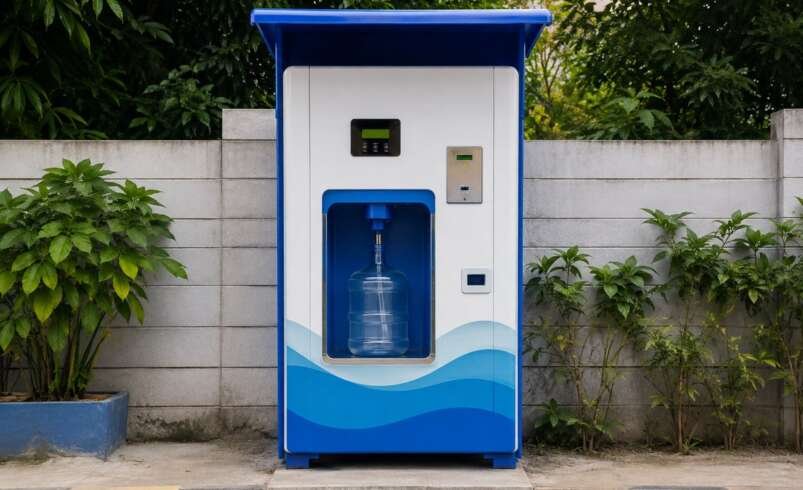
A properly planned water ATM can provide an accessible point where users can obtain treated drinking water according to the facility’s operating model.
Why Hospitals Need Accessible Water Facilities
Hospital visitors may arrive unexpectedly and remain for long periods.
A patient’s attendant may spend the entire day waiting. Healthcare workers may work extended shifts. Visitors may need water while moving between departments.
A dedicated drinking-water facility can reduce the inconvenience of finding water elsewhere.
Selecting the Right Hospital
CSR organisations should assess the hospital before selecting equipment.
Important factors include:
- Daily patient numbers
- Visitor footfall
- Existing drinking-water arrangements
- Water source
- Water quality
- Available space
- Peak usage
- Maintenance facilities
Large public hospitals may require a different setup from smaller community healthcare centres.
Strategic Placement
A machine should be positioned where users can easily reach it without disrupting hospital operations.
Potential locations may include:
- Waiting areas
- Public corridors where permitted
- Reception zones
- Visitor areas
- Outdoor public areas
- Designated drinking-water spaces
The final location should comply with hospital management requirements.
Hygiene and Cleanliness
Healthcare environments require careful attention to hygiene.
The water facility should be maintained through regular:
- Cleaning
- Water quality checks
- Filter servicing
- Dispensing outlet sanitation
- Area inspection
A clean surrounding area is just as important as the machine itself.
Water ATM for Hospital Use
A water ATM can provide a structured method for dispensing treated drinking water.
For a CSR-supported installation, free access may be considered where appropriate.
The organisation should also define who will manage cleaning, technical faults, and servicing after installation.
Planning the Budget
The equipment quotation is only one part of the project cost.
When reviewing water vending price, CSR teams should consider the full installation.
This may include:
- Equipment
- Treatment system
- Plumbing
- Electrical work
- Installation
- Maintenance
- Consumables
- Service support
A realistic budget helps ensure that funds remain available for long-term operation.
Supporting Patients and Attendants
The impact of a hospital water project extends beyond patients.
It can support:
- Family members
- Visitors
- Nurses
- Doctors
- Security personnel
- Cleaning staff
- Other workers
This broad user base can make hospital drinking-water projects particularly valuable.
Monitoring Usage
The organisation can track basic performance indicators.
These may include:
- Number of users
- Estimated water dispensed
- Operating days
- Maintenance activities
- User feedback
Monitoring allows the CSR team to identify whether additional capacity or servicing is required.
Frequently Asked Questions
1. Can CSR Activities support hospital drinking-water projects?
Yes. Drinking-water infrastructure can be a practical CSR initiative for hospitals and healthcare facilities.
2. Who can use a hospital water vending machine?
Depending on the hospital’s policy, it can serve patients, attendants, staff, and visitors.
3. Is water quality monitoring important?
Yes. Regular water quality monitoring and equipment maintenance are essential.
4. What affects water vending price?
Machine configuration, capacity, treatment requirements, installation, and supporting infrastructure can affect total cost.
5. Where should a water ATM be installed?
It should be placed in an accessible location approved by hospital management without interfering with patient movement or hospital operations.
Conclusion
Hospital-focused CSR Activities can create practical benefits for people during some of the most difficult periods of their lives.
A clean and accessible drinking-water facility may seem like a small improvement, but for patients, attendants, and healthcare workers who spend long hours inside a hospital, it can provide meaningful everyday convenience.
With appropriate planning, hygiene, maintenance, and monitoring, a water vending machine can become a valuable addition to hospital infrastructure.