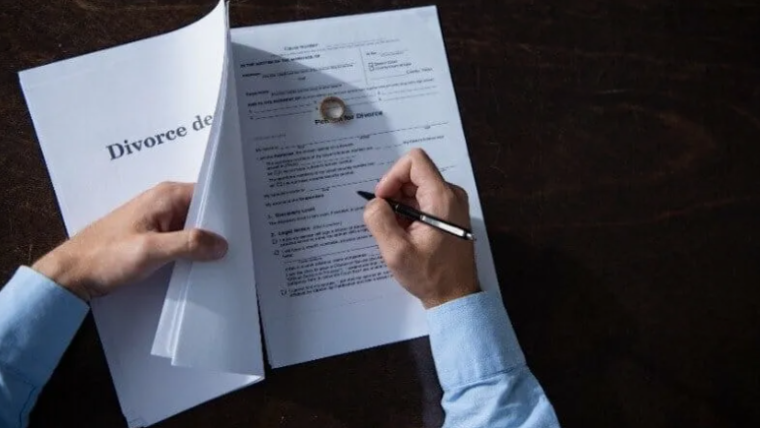

Divorce can be a challenging life experience, bringing emotional stress, financial concerns, and many important decisions. Along with adjusting to changes in family life, individuals must often complete legal forms, gather financial records, and meet court deadlines. Understanding the paperwork involved can make the process more manageable. Professional divorce document preparation and divorce paperwork assistance can help individuals organize the necessary documents and prepare for the administrative steps involved in ending a marriage.
Whether a divorce is uncontested or involves more complicated matters, having organized and accurately completed paperwork can help reduce confusion. Learning what documents are needed, how the process works, and when professional legal advice may be necessary can help people approach this transition with greater confidence.
Understanding Divorce Document Preparation
Divorce document preparation involves organizing and completing the forms required for a divorce proceeding. These documents vary depending on the state, local court rules, and the circumstances of the marriage. Common forms may include a divorce petition, financial disclosures, property information, child-related documents, and a proposed settlement agreement.
The purpose of proper document preparation is to ensure that the required information is presented clearly and that the appropriate forms are ready for submission according to court requirements. Missing information, incorrect details, or incomplete forms may result in delays or requests for corrections.
For people who are unfamiliar with legal paperwork, the process can seem complicated. Understanding the required forms and following a clear checklist can make each step easier to manage.
What Is Divorce Paperwork Assistance?
Divorce paperwork assistance helps individuals navigate the administrative side of the divorce process. Depending on the provider and the services offered, assistance may include identifying commonly required forms, organizing personal information, preparing documents based on information supplied by the client, and reviewing forms for missing administrative details.
This type of assistance may be especially useful for individuals pursuing an uncontested divorce. When both spouses agree on major issues, such as property division and parenting arrangements, the paperwork may be more straightforward than in a contested case.
However, divorce paperwork assistance is not necessarily the same as legal representation. A document preparation service generally does not provide legal advice or represent a client in court unless the provider is separately authorized to perform those services. Individuals should understand the provider’s qualifications and service limitations before moving forward.
Common Documents Needed for Divorce
The documents required for a divorce depend on local laws and individual circumstances. However, several types of paperwork are commonly involved.
- Divorce Petition or Complaint
This document formally begins the divorce process. It generally identifies the spouses, provides basic information about the marriage, and states the requested legal relief. The correct form and filing procedure depend on the jurisdiction.
- Financial Disclosure Forms
Financial disclosures provide information about income, expenses, assets, and debts. These records may include pay statements, tax returns, bank statements, retirement account information, mortgage details, and credit card balances. Accurate financial information can help both spouses understand their financial circumstances.
- Property and Debt Information
Married couples may need to identify jointly owned property, individual assets, outstanding loans, and other financial obligations. Depending on the circumstances, these details may be included in financial statements or settlement documents.
- Child Custody and Support Documents
When children are involved, the court may require parenting plans, custody-related forms, child support information, and other documents. These forms help establish proposed arrangements for parental responsibilities, visitation, and financial support.
- Settlement Agreements
If both spouses reach an agreement, a written settlement may describe how property, debts, support, and other relevant matters will be handled. The agreement should reflect the parties’ actual understanding and comply with applicable law.
Carefully organizing these documents can make the filing process easier and help reduce the possibility of avoidable mistakes.
Benefits of Professional Divorce Paperwork Assistance
Managing divorce paperwork without experience can be frustrating, especially when several forms require similar information. Professional assistance can provide structure and help individuals understand the administrative requirements.
One important benefit is organization. A document preparation provider can help clients identify the information they need, arrange supporting records, and work through forms in a logical order.
Another benefit is time management. Preparing paperwork may involve gathering records from multiple sources and completing several related documents. A structured process can help individuals avoid unnecessary repetition and keep track of important deadlines.
Administrative review may also help identify blank fields, inconsistent names, missing dates, or other obvious completion issues before documents are submitted. However, no preparation service can guarantee that a court will accept every document or approve a requested outcome.
For individuals who have agreed on the main terms of their divorce, these services may offer a practical way to manage routine paperwork while keeping the process organized.
Divorce Paperwork for an Uncontested Divorce
An uncontested divorce generally occurs when spouses agree on the major issues involved in ending their marriage. Depending on local law, these issues may include property division, responsibility for debts, spousal support, and arrangements for children.
Even when both spouses agree, the court may require specific forms, financial disclosures, waiting periods, and other procedural steps. Agreement between spouses does not automatically eliminate these requirements.
Divorce document preparation can help individuals identify the paperwork commonly required for an uncontested case and organize information before filing. Both parties should carefully review any agreement before signing it.
If questions arise about whether an agreement is fair, how a particular provision may affect future rights, or what the law requires, consulting a qualified family law attorney can be an important step.
Common Mistakes to Avoid When Preparing Divorce Documents
Errors in divorce paperwork can create unnecessary stress and delay. Taking time to review each document can help reduce common problems.
One frequent mistake is leaving required fields blank. Even small omissions may lead to questions from the court. Individuals should follow the form instructions and confirm whether a field should be completed or marked as not applicable.
Another problem is providing inconsistent information. Names, addresses, dates, income figures, and financial totals should be checked across all relevant documents.
Failing to include required supporting documents can also create difficulties. Some courts require additional financial statements, certificates, proposed orders, or other forms alongside the initial filing.
Finally, missing filing deadlines or overlooking service requirements may affect the progress of a case. Court procedures differ by jurisdiction, so individuals should confirm current instructions through the appropriate court.
When to Seek Legal Advice
Although divorce paperwork assistance can be helpful for administrative tasks, some situations require more detailed legal guidance. A contested divorce, complicated property ownership, significant assets, business interests, disputed child custody, domestic abuse concerns, or disagreements about support can create legal issues that extend beyond completing forms.
An attorney can explain legal rights, assess possible consequences, negotiate on a client’s behalf, and provide representation when necessary. Individuals should also consider obtaining legal advice before signing a settlement agreement that may affect their finances, parental responsibilities, or long-term interests.
Choosing the appropriate level of assistance depends on the complexity of the case. Some people may need help primarily with paperwork, while others benefit from a combination of document preparation and legal representation.
How to Choose a Divorce Document Preparation Service
When comparing providers, look for clear information about their services, fees, qualifications, and limitations. Ask which documents they can prepare, whether they are familiar with the relevant court’s requirements, and how they handle confidential information.
It is also helpful to understand what happens if a court requests corrections. Ask whether revisions are included in the quoted fee and whether filing assistance is available.
Be cautious of providers who promise guaranteed results or claim that every divorce can be completed quickly without complications. Court procedures, eligibility rules, and processing times vary.
Before sharing sensitive information, review the provider’s privacy practices and confirm how personal and financial records will be protected.
Conclusion
Divorce involves important personal and legal decisions, and the paperwork can sometimes make an already difficult experience feel more overwhelming. Divorce document preparation and divorce paperwork assistance can help individuals organize records, complete administrative forms, and better understand the steps involved in submitting divorce documents.
From gathering financial information to preparing forms for an uncontested divorce, a structured approach can make the process easier to manage. Careful review, attention to court instructions, and awareness of filing deadlines can help reduce avoidable problems.
Most importantly, individuals should choose assistance that fits their circumstances. Administrative document preparation may be suitable for straightforward paperwork needs, while complex disputes or questions about legal rights may require an experienced family law attorney. With the right preparation and reliable information, individuals can approach the divorce process in a more organized and informed way.