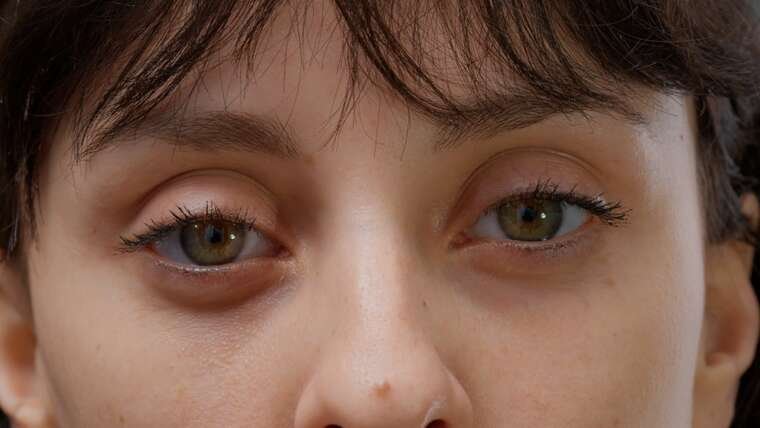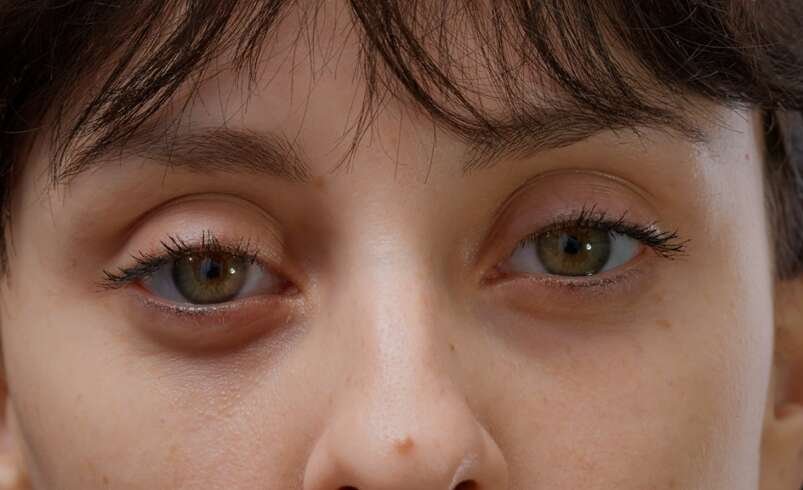

The lower eyelid plays an important role in facial appearance, helping create a smooth transition between the eyes and cheeks. As the skin changes with age, the lower eyelid area may develop fine lines, looseness, puffiness, or visible folds. These changes can make the face appear tired, even when a person feels well-rested. For individuals considering lower eyelid surgery, understanding the condition of the skin is an important part of planning a suitable treatment approach.
Eyelid Bag Surgery Dubai is a commonly searched treatment option for people who want to address the appearance of under-eye bags and changes around the lower eyelids. However, effective surgical planning involves more than simply assessing the amount of puffiness beneath the eyes. A surgeon also considers skin elasticity, the position of the lower eyelid, the amount of excess skin, underlying fat distribution, and the relationship between the eyelids and surrounding facial structures.
Lower eyelid skin laxity can influence which surgical technique is considered, how much skin may need to be addressed, and how the overall treatment plan is tailored to the individual. Understanding these factors helps patients approach their consultation with realistic expectations and a clearer idea of how their anatomy influences surgical decisions.
What Is Lower Eyelid Skin Laxity?
Lower eyelid skin laxity refers to a reduction in the skin’s firmness and ability to maintain a smooth, supported appearance. The skin around the eyes is naturally thin and delicate, making it particularly susceptible to gradual changes associated with ageing and individual differences in skin structure.
When skin elasticity decreases, the lower eyelid may appear loose or creased. Some people notice fine wrinkles when their face is at rest, while others develop a small fold of excess skin beneath the eyelashes. In some cases, skin laxity occurs alongside prominent under-eye bags caused by the position or visibility of the underlying orbital fat.
These concerns do not always develop at the same rate. One person may have noticeable under-eye bags but relatively firm skin, while another may have loose skin without significant fat protrusion. Some individuals experience both changes together.
This distinction is important because the appearance of the lower eyelid does not necessarily reveal the underlying anatomical cause. A consultation helps determine whether skin laxity, fat prominence, changes in the supporting tissues, or a combination of these factors is contributing to the concern.
How Does Skin Laxity Affect Eyelid Bag Surgery Planning?
Skin laxity is one of several considerations that may influence the choice of lower eyelid surgical technique. The objective is to address the patient’s specific concerns while maintaining the natural shape, position, and function of the eyelid.
Assessing the Amount of Excess Skin
During an assessment, the surgeon examines how much loose skin is present and where it is most noticeable. The evaluation may include observing the eyelids at rest, during normal facial expressions, and when the patient looks in different directions.
Mild skin laxity may present as fine creases or a slightly uneven surface. More pronounced laxity can create a visible fold that extends across the lower eyelid or towards the upper cheek.
The amount of excess skin helps the surgeon determine whether a technique involving skin removal may be appropriate. The aim is not to remove as much skin as possible. Instead, planning focuses on addressing the excess while preserving enough skin for comfortable eyelid closure and a natural contour.
Determining Whether Skin or Fat Is the Main Concern
Under-eye bags can result from prominent orbital fat, loose skin, or a combination of both. These causes may look similar from the outside, but they can require different surgical considerations.
When fat prominence is the main concern and the skin remains relatively firm, the surgeon may consider an approach that addresses the fat without removing substantial amounts of skin. When significant skin laxity is also present, the treatment plan may need to account for both concerns.
This distinction helps avoid treating every case of under-eye bags in the same way. The most appropriate approach depends on the individual’s anatomy rather than the appearance of puffiness alone.
Which Lower Eyelid Surgical Approaches May Be Considered?
Lower eyelid surgery, often referred to as lower blepharoplasty, can involve different techniques depending on the patient’s anatomical features and treatment goals.
Transconjunctival Lower Eyelid Surgery
A transconjunctival approach involves accessing the lower eyelid through the inside surface of the eyelid. It is often considered when under-eye bags are primarily associated with prominent fat and there is little excess skin requiring removal.
Because the incision is made on the inner surface, this approach does not create an external skin incision along the lower eyelid. However, it does not directly remove loose external skin. Patients with more significant skin laxity may therefore require a different approach or additional skin treatment, depending on their assessment.
Lower Eyelid Surgery With Skin Excision
When excess lower eyelid skin is a prominent concern, a surgeon may consider an approach that allows a carefully measured amount of skin to be removed. This may involve an incision placed close to the lower eyelashes, depending on the planned technique.
The amount of skin addressed is determined by the degree of laxity, eyelid position, skin quality, and other anatomical factors. Conservative planning is particularly important in this delicate area because the lower eyelid needs sufficient skin to maintain normal movement and closure.
Combining Skin and Fat Management
Some patients have both loose skin and prominent fat beneath the eyes. In these cases, the surgeon may plan to address the two features together.
Fat may be repositioned or selectively reduced, while the skin component is managed according to the amount of laxity. The precise technique depends on the individual’s anatomy and the surgeon’s clinical assessment.
The aim is to create a smoother transition between the lower eyelid and cheek while preserving natural facial characteristics. A combined approach is not automatically necessary for everyone with under-eye bags; it is considered when the examination supports it.
Why Skin Elasticity Matters When Deciding How Much Skin to Remove
Skin elasticity describes the skin’s ability to stretch and return towards its original shape. In the lower eyelid, this characteristic helps the surgeon understand how the skin may respond to changes in its underlying support.
Skin with relatively good elasticity may adapt differently from skin that is thin, creased, or significantly lax. Age can influence elasticity, but age alone does not determine skin quality. Genetics, previous sun exposure, individual anatomy, and other factors can also affect the appearance of the lower eyelid.
During surgical planning, the surgeon considers whether the skin is likely to accommodate the intended changes while maintaining a comfortable and natural eyelid position. This assessment is especially relevant when determining whether skin removal is appropriate and how conservative that removal should be.
The goal is to improve excess skin without creating an overly tight appearance. Lower eyelid skin is essential for normal eyelid movement and closure, so maintaining an appropriate amount is a central part of planning.
How the Position of the Lower Eyelid Influences Planning
Skin laxity cannot be evaluated in isolation from the position and support of the lower eyelid. The eyelid’s relationship with the eyeball, the surrounding tissues, and the upper cheek all contribute to its overall appearance.
A surgeon may assess how firmly the lower eyelid rests against the eye and how it responds to gentle examination. The evaluation can also consider the shape of the eyelid margin, the degree of under-eye hollowing, and the transition between the eyelid and cheek.
These features matter because removing skin without adequately considering eyelid support may not produce the intended result. Where the lower eyelid is already relatively lax or has limited support, additional attention may be required when choosing the surgical technique.
In selected cases, the treatment plan may include measures to support the eyelid in addition to addressing excess skin or fat. Whether this is necessary depends on the examination findings rather than skin laxity alone.
How Skin Laxity Affects the Expected Aesthetic Outcome
The condition of the skin helps shape realistic expectations for lower eyelid surgery. The procedure may improve the appearance of excess skin and under-eye bags, but the extent of change depends on the underlying cause of the concern.
For example, a patient whose main concern is a prominent fold of loose skin may have different treatment priorities from someone whose lower eyelids appear hollow or whose under-eye bags are mainly caused by fat prominence.
Surgery may improve the contour of the lower eyelid, but it does not necessarily eliminate every fine line or correct every change in skin texture. Skin quality, facial structure, and the distribution of underlying tissues all influence the final appearance.
The aim of planning is to identify which features are likely to respond to surgery and which may remain. Discussing these distinctions before treatment helps align the surgical approach with the patient’s expectations.
What Happens During an Eyelid Bag Surgery Consultation in Dubai?
A consultation provides an opportunity to assess the lower eyelid in detail and discuss the patient’s main concerns. It also helps establish whether surgery is suitable and which approach may be appropriate.
The surgeon may review the patient’s medical history, previous eye procedures, current medications, and relevant eye-related concerns. The examination can include an assessment of skin laxity, fat prominence, eyelid position, skin quality, and the balance between the lower eyelid and cheek.
Patients should explain whether their main concern is puffiness, loose skin, fine wrinkles, a hollow appearance, or a combination of these features. Photographs may also be used as part of clinical assessment and treatment planning.
The discussion should clarify the proposed technique, the areas being addressed, and the type of improvement that may reasonably be expected. Patients can also ask how their degree of skin laxity affects the choice of procedure and whether skin removal is likely to be part of the plan.
For people researching Eyelid Bag Surgery Cost in Dubai, it is useful to understand that the recommended procedure can influence the overall treatment plan and its associated cost. The appropriate approach should be established through an individual consultation rather than selected on price alone.
Who May Benefit From an Assessment of Lower Eyelid Skin Laxity?
An assessment may be helpful for adults who notice persistent under-eye bags, loose skin beneath the eyes, or folds that have become more visible over time. It may also benefit individuals whose lower eyelid appearance has changed despite maintaining consistent sleep and skincare habits.
However, not every under-eye concern is caused by excess skin. Pigmentation, fluid retention, naturally prominent orbital fat, and tear-trough hollowing can create similar appearances. These concerns may need different approaches, and surgery may not be the most suitable option in every case.
A detailed examination helps distinguish between these causes and establish whether lower eyelid surgery is likely to address the patient’s specific concern.
Conclusion
Lower eyelid skin laxity is an important factor in planning eyelid bag surgery because it influences the choice of technique, the potential need for skin removal, and the way the lower eyelid’s natural contour is preserved. The surgeon must consider skin quality alongside fat prominence, eyelid position, tissue support, and the patient’s aesthetic goals.
Some patients may be suitable for an approach that primarily addresses under-eye fat, while others may benefit from a plan that also manages excess skin. The decision depends on the individual’s anatomy and the findings of a professional assessment.
For those considering Eyelid Bag Surgery Dubai, a personalised consultation offers the opportunity to understand the cause of under-eye changes and explore suitable treatment options. Careful planning helps establish realistic expectations and supports an approach that prioritises a natural-looking result and the normal function of the lower eyelids.
Frequently Asked Questions
1. What is lower eyelid skin laxity?
Lower eyelid skin laxity is a reduction in skin firmness that can lead to loose folds, fine wrinkles, or a less smooth appearance beneath the eyes. It may occur alongside under-eye bags or develop independently.
2. Does loose lower eyelid skin always require surgery?
No. The appropriate treatment depends on the severity of the laxity, the patient’s concerns, and the underlying cause. A consultation can help determine whether surgery or a non-surgical approach is more suitable.
3. Can eyelid bag surgery address both loose skin and under-eye bags?
Yes, selected surgical approaches can address excess skin and prominent fat together. The specific technique depends on the individual’s anatomy and the findings of the assessment.
4. Is skin removal necessary during every lower eyelid procedure?
No. Some patients have prominent under-eye fat but little excess skin. In these cases, an approach that does not require external skin removal may be considered.
5. How does skin elasticity influence surgical planning?
Skin elasticity helps the surgeon assess how the lower eyelid may respond to treatment and how much skin can be addressed while maintaining appropriate eyelid closure and contour.
6. Can lower eyelid surgery remove every under-eye wrinkle?
Not necessarily. Surgery may improve loose skin and eyelid contour, but fine lines, skin texture changes, and other concerns may persist depending on their cause and the individual’s skin quality.
7. How is the appropriate lower eyelid technique selected?
The surgeon considers skin laxity, fat distribution, eyelid position, tissue support, medical history, and the patient’s goals before recommending a suitable approach.
8. What should I ask during an eyelid bag surgery consultation in Dubai?
Ask which anatomical features contribute to your under-eye concerns, whether skin removal is appropriate, which technique is being considered, what results are realistic, and how the proposed treatment plan relates to the Eyelid Bag Surgery Cost in Dubai.