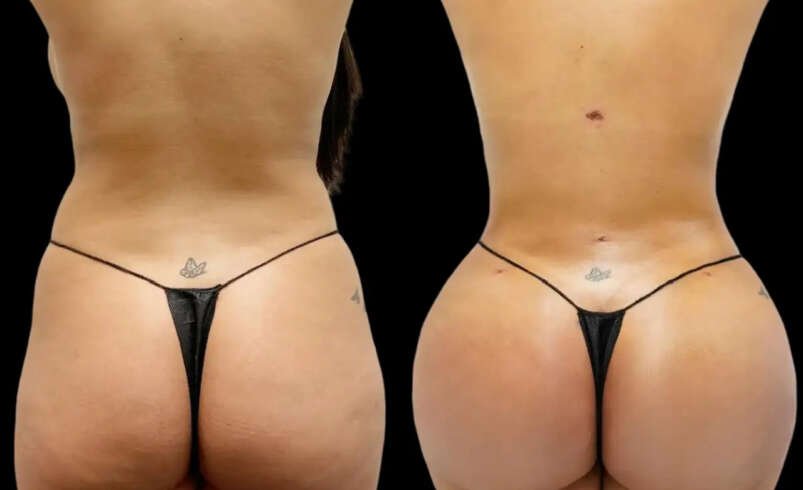

What Is Fat Grafting for Natural Volume Restoration?
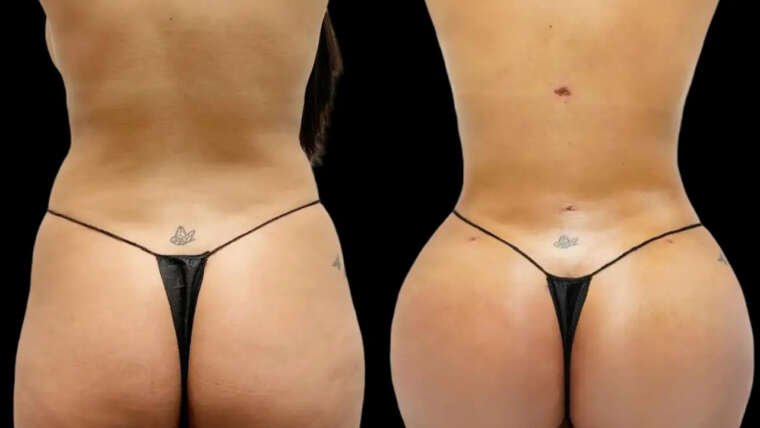
Fat grafting is a cosmetic procedure that moves fat from one area of the body to another. It is also known as fat transfer or fat transplantation. The main purpose is to restore lost volume and improve the shape of specific areas.
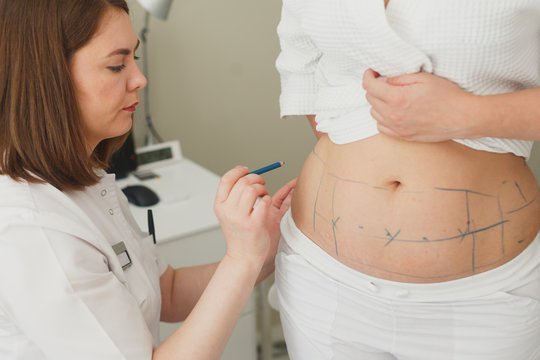
The procedure generally involves three steps. First, fat is collected from an area such as the abdomen, thighs, or flanks using a suitable liposuction technique. Second, the collected fat is processed to separate the fat cells from unwanted fluids and other materials. Finally, the prepared fat is carefully injected into the area that needs additional volume.
Fat grafting may be used to improve facial hollows, restore fullness in selected body areas, soften certain depressions, and improve the appearance of the hands.
Since the procedure uses the patient’s own fat, the treated area can feel natural when the transferred fat survives successfully. However, some fat is usually reabsorbed by the body, so the final results can vary.
How Fat Transfer in Dubai Helps Restore Lost Volume
Volume loss can make certain facial and body areas appear hollow, flat, or less defined. Fat transfer may help restore fullness by adding fat to areas where volume has decreased.
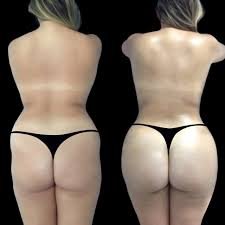
For example, restoring cheek volume may create a fuller facial appearance. Adding fat to selected body areas may improve contours and help create a more balanced shape. Fat transfer can also be considered for certain depressions caused by previous procedures or changes in the underlying tissues.
Fat transfer in dubai offers an option for people interested in improving selected areas without using synthetic implants or fillers. However, the procedure is not suitable for every type of volume loss.
The final result depends on the treatment area, the amount of fat transferred, the person’s anatomy, and how much fat survives after the procedure. A careful treatment plan helps establish realistic expectations and reduces the likelihood of unwanted irregularities.
Common Reasons for Volume Loss in the Face and Body
Volume loss can occur for several reasons, and understanding the cause helps determine which treatment may be appropriate.
Aging: As people grow older, facial fat may decrease or shift. This can make the cheeks appear flatter and create hollows around the eyes or temples.
Weight loss: Significant weight loss can reduce fullness in different parts of the body. In some cases, the face may appear thinner, while other areas may develop visible depressions.
Genetics: Some people naturally have less volume in particular facial or body areas. These features may become more noticeable with age.
Previous cosmetic procedures: Certain procedures, including liposuction, may sometimes leave areas with reduced volume or uneven contours.
Natural anatomical differences: Differences in body structure can create areas that appear less full than the surrounding tissues.
Fat transfer may help address selected concerns caused by volume loss. However, loose skin, pigmentation, and some structural problems may require different treatments.
Under Eye Fat Transfer for Restoring Facial Fullness
The under-eye area is one of the most delicate parts of the face. Volume loss beneath the eyes can create hollows and shadows that make someone look tired. These changes may be related to aging, genetics, or the natural structure of the face.
Under eye fat transfer involves placing a small amount of the patient’s own fat beneath the eyes to improve selected hollows. The goal is to create a smoother transition between the lower eyelids and cheeks.
For suitable candidates, restoring volume may soften the appearance of under-eye depressions and create a more refreshed look. However, not all under-eye concerns are caused by volume loss.
Dark circles may also result from pigmentation, thin skin, visible blood vessels, or puffiness. Fat transfer may not improve these issues and can sometimes make certain concerns more noticeable.
The procedure also carries risks, including swelling, lumps, unevenness, and asymmetry. Rarely, facial fat injections can cause serious vascular complications, including vision loss. A thorough medical assessment is essential before considering treatment in this delicate area.
Benefits of Fat Grafting for Long-Lasting Volume Enhancement
Fat grafting offers several potential benefits for people who want to restore volume naturally.
One important benefit is that the procedure uses the patient’s own fat rather than an artificial implant. This can provide a natural feel in areas where the transferred fat survives.
Another advantage is that fat can be collected from an area with excess deposits and transferred to an area that needs more fullness. This may help improve the overall balance of facial or body contours.
Fat transfer can also be personalized according to individual needs. Some people may require only a small amount of fat, while others may need a more extensive treatment plan.
When transferred fat establishes a blood supply and survives, the results can be long-lasting. However, some of the fat is naturally reabsorbed during healing, and additional treatment may sometimes be considered.
It is important to remember that fat transfer cannot stop the natural aging process or guarantee permanent results.
Best Plastic Surgeon in Dubai: Important Factors for Safe Volume Restoration
People searching for the Best Plastic surgeon in dubai may want to understand how to approach cosmetic procedures safely.
Fat transfer requires careful planning because the amount of fat collected, the way it is processed, and its placement can influence the final result. Treatment should be planned according to the patient’s anatomy, medical history, and desired outcome.
When researching cosmetic care, it is important to consider professional qualifications, relevant experience, appropriate medical facilities, and clear communication.
Patients should understand the potential benefits, limitations, recovery requirements, and possible complications before deciding to proceed.
A suitable treatment plan focuses on natural-looking improvements and realistic expectations rather than promising a perfect appearance.
Best Fat Transfer Surgeon in Dubai: Why Personalized Treatment Matters
The term Best fat transfer surgeon in Dubai is often used by people researching cosmetic procedures for volume restoration. However, the most suitable approach depends on the individual’s needs and the area being treated.
Facial volume restoration requires a different approach from body fat transfer. The amount of fat needed, the location of the treatment area, and the condition of the surrounding tissues all affect the plan.
Before proceeding, patients should understand how the procedure is expected to help, how much improvement may be possible, and whether another session could be needed.
It is also important to discuss potential complications, including infection, uneven contours, fat reabsorption, and changes in the treated area’s appearance.
A personalized approach helps ensure that treatment decisions are based on individual anatomy and medical needs.
Best Fat Transfer Surgeons in Dubai: How to Compare Cosmetic Treatment Options
When researching the Best fat transfer surgeons in Dubai, people should focus on relevant qualifications, experience, and patient safety rather than promotional claims alone.
Fat transfer involves several technical steps. Fat must be collected appropriately, prepared carefully, and placed in the intended area with attention to surrounding tissues.
People considering the procedure should ask about the treatment method, the expected recovery period, and the likelihood of achieving their desired results.
They should also understand that some transferred fat may not survive and that results can vary between individuals.
Clear communication is important because it allows patients to compare treatment options and make decisions based on accurate information.
Fat Transfer Cost in Dubai: What Affects the Overall Expense?
The Fat transfer cost in dubai depends on several factors, including the treatment area, procedure complexity, amount of fat required, anesthesia, and follow-up care.
A procedure involving a small facial area may have different costs from one involving a larger body area. The time required for fat collection and placement can also influence the final expense.
Other factors may include medical assessments, facility charges, medication, and post-treatment appointments.
When comparing treatment options, it is useful to request a clear breakdown of the total expected cost. This helps identify which services are included and whether additional expenses may arise.
Price is only one part of the decision. Appropriate medical care, safety, and realistic expectations should also be considered.
Fat Transfer Cost: Understanding the Main Pricing Factors
The overall fat transfer cost can vary because each procedure is planned according to the patient’s individual requirements.
The size of the treatment area is one important factor. Small facial treatments may require less fat and procedure time, while larger areas may involve more extensive fat collection and placement.
Other factors that may affect the price include:
- The number of areas being treated.
- The amount of fat required.
- The complexity of fat collection and preparation.
- Anesthesia and facility charges.
- Follow-up appointments and aftercare.
- The possibility of additional treatment sessions.
Understanding these factors can help individuals prepare their budgets and compare treatment plans more effectively.
Before making a decision, it is helpful to confirm the total expected expense and ask whether follow-up care or additional procedures are included.
Fat Transfer Prices: Planning Your Budget for Volume Restoration
Comparing fat transfer prices can help people understand the financial commitment involved in cosmetic volume restoration.
However, prices can differ because procedures may address different concerns. Restoring a small area of facial volume is not the same as treating several areas of the body.
A clear treatment quotation should explain the planned procedure and the services included. Patients should also ask whether additional sessions might be necessary if some of the transferred fat is reabsorbed.
Choosing an option based only on the lowest price may not be the best approach. Safety, appropriate medical care, and the suitability of the treatment plan are equally important.
Careful planning helps people understand the costs before committing to a procedure.
Best Doctors in Dubai: Making an Informed Decision About Fat Transfer
People searching for the Best Doctors in dubai may have questions about cosmetic treatments, recovery, and the results they can realistically expect.
Before considering fat transfer, patients should discuss their medical history, medications, allergies, and previous procedures. These details can help determine whether the treatment is appropriate.
It is also important to understand the possible complications, expected recovery time, and limitations of the procedure.
A responsible medical consultation should provide clear information about the benefits and risks. This allows patients to make decisions based on their health needs and personal goals rather than unrealistic promises.
Perfect Doctors Clinic and Dr. Perfect Celebrity: Understanding Cosmetic Treatment Information
People researching cosmetic procedures may come across terms such as Perfect Doctors Clinic and Dr. perfect celebrity when reading online aesthetic content.
When reviewing cosmetic information, it is important to distinguish promotional wording from practical medical guidance. Understanding the procedure, its possible complications, and the recovery process is more useful than relying on marketing claims.
People considering fat transfer should focus on reliable information about the treatment technique, expected outcomes, and individual suitability.
Learning about these factors can help individuals prepare useful questions and make better-informed decisions about volume restoration.
Fat Transfer Recovery: What to Expect After Volume Restoration
Recovery after fat transfer depends on the treatment area, the amount of fat collected, and the individual’s healing response.
Swelling, bruising, tenderness, and temporary discomfort are common during the early recovery period. These effects usually improve gradually, although some swelling may continue for several weeks.
Patients should follow their medical team’s instructions about wound care, activity, medications, and follow-up appointments. Strenuous exercise may need to be avoided temporarily, and the treated area may require special care.
The final result may take several weeks or months to become clear because swelling can affect the initial appearance.
Some transferred fat is naturally reabsorbed during healing. Following aftercare instructions supports recovery, but it cannot guarantee that all transferred fat will survive.
How Long Do Fat Transfer Results Last?
Fat transfer can provide long-lasting results when the transferred fat cells successfully establish a blood supply and survive in their new location.
However, the amount of surviving fat varies between individuals. Some volume loss during healing is normal, and the final appearance may differ from the initial result.
Changes in body weight can also affect the outcome. Weight gain may increase the size of surviving fat cells, while weight loss may reduce their volume. Aging can gradually change facial features and body contours as well.
In some cases, another treatment session may be considered if additional volume is needed. However, this depends on the individual’s goals, healing, and medical assessment.
Maintaining a stable weight and following appropriate aftercare instructions can help support the long-term appearance of the treated area.
Conclusion: Understanding Fat Transfer for Natural Volume Restoration
Fat transfer can be a useful option for people who want to restore lost volume and improve selected facial or body contours. By using the body’s own fat, the procedure may help soften hollows, improve fullness, and create a more balanced appearance.
Understanding fat grafting, learning about fat transfer in dubai, and comparing fat transfer cost in dubai can help individuals prepare for an informed discussion about treatment.
Every person has different needs, and results depend on individual anatomy, the treatment area, and how much transferred fat survives. Careful planning, realistic expectations, and appropriate medical guidance are essential when considering cosmetic volume restoration.