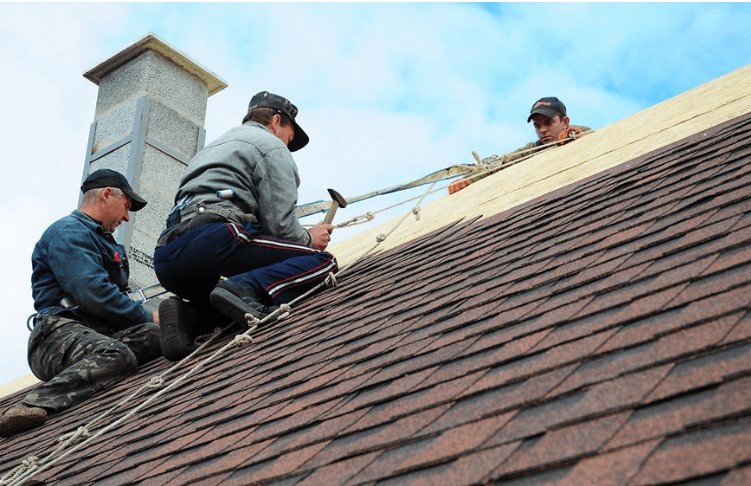

Owning a home involves more than keeping the interior clean and maintaining its appearance. The roof protects the structure, supports the home’s overall condition, and helps prevent moisture from affecting ceilings, insulation, and other building materials. However, roofing problems are not always obvious from the ground. Gibbs Roofing And Siding helps homeowners understand the condition of their roofing systems through professional inspections, repairs, and replacement services.
A Home Roof Inspection is a practical way to learn whether your roof needs maintenance, further investigation, or more extensive repairs. Instead of waiting until a leak appears inside the house, homeowners can use an inspection to make informed decisions about property care. A well-organized assessment also provides useful information for budgeting, planning future improvements, and understanding how the roof may respond to changing weather conditions.
Why Roof Condition Should Be Part of Your Home Maintenance Plan
Homeowners often prioritize visible projects such as painting, landscaping, kitchen updates, and exterior improvements. Although these projects can improve comfort and appearance, the roof deserves similar attention because it protects many of the home’s other components. A small defect around a roof opening or a damaged shingle may not appear urgent, but continued exposure to rain and humidity can make the problem more serious.
Arranging a Home Roof Inspection helps property owners look beyond immediate cosmetic concerns. An inspector can examine accessible roofing materials, flashing, drainage areas, and other visible components to identify conditions that may require attention. The findings provide a starting point for deciding which maintenance tasks should be handled promptly and which may be monitored over time.
A proactive maintenance plan is especially useful for homeowners who want to avoid unexpected expenses. While inspections cannot prevent every roofing problem, they can provide valuable information before an existing defect causes more noticeable damage.
What Can an Inspection Reveal About Your Roof?
A roof functions as a connected system. Its performance depends on roofing materials, protective layers, flashing, ventilation, and water management. When one component develops a weakness, nearby areas may also be affected.
Roofing Materials and Surface Wear
Shingles can gradually lose granules, curl, crack, or become loose due to aging and weather exposure. Missing or damaged sections may leave underlying materials more vulnerable to moisture. During a Home Roof Inspection, these visible conditions can be documented to help determine whether localized repairs or a broader assessment may be appropriate.
The condition of the entire roof matters more than one isolated defect. A few damaged shingles do not automatically mean that replacement is necessary, just as an attractive exterior does not guarantee that every component is performing properly.
Flashing and Roof Connections
Roof intersections, chimneys, vents, and skylights require careful attention because they create openings or transitions in the roofing system. Flashing helps direct water away from these vulnerable points. When it becomes loose, damaged, or deteriorated, moisture may find a path into the structure.
Identifying concerns around these connections can help homeowners understand possible leak sources. The appropriate solution depends on the location and severity of the problem, so findings should be evaluated before repair work is selected.
Gutters and Water Flow
Gutters and downspouts help move rainwater away from the roofline and foundation. When they become blocked, disconnected, or poorly aligned, water may overflow near exterior walls or roofing edges. An inspection can identify visible drainage concerns and help homeowners determine whether gutter maintenance should be included in their property care plan.
Attic Clues and Interior Signs
Some roofing concerns become noticeable inside the home. Ceiling discoloration, peeling paint near the roofline, damp insulation, and moisture marks in accessible attic spaces may indicate a problem that deserves investigation. Because water can travel before becoming visible, identifying the source is important before deciding on a repair.
When Is the Right Time to Schedule an Inspection?
There is no single schedule that fits every roof. The appropriate timing depends on the roofing material, age, previous repairs, surrounding trees, weather exposure, and visible condition. Periodic assessments can help homeowners stay informed, while additional inspections may be useful after severe weather or when warning signs appear.
A Home Roof Inspection is also worth considering when buying or selling a property. Buyers can use documented findings to better understand the roof’s condition before making major financial decisions. Sellers may benefit from identifying visible concerns early and deciding whether repairs or additional documentation are appropriate before listing the home.
An inspection should not replace a specialized evaluation when serious structural damage or another hidden issue is suspected. Instead, it helps establish what is visible, what requires further investigation, and which next steps are reasonable.
Preparing Your Roof for Changing Weather in Georgia
Homes across Roswell and the wider Metro Atlanta area experience seasonal rain, humidity, heat, wind, and occasional severe storms. These conditions can affect shingles, flashing, gutters, and other exterior components. Falling branches may also damage roofing materials, while heavy rain can reveal weaknesses that were not apparent during dry weather.
After a major storm, homeowners should check their property from a safe location. Look for fallen branches, displaced shingles, damaged gutters, and water stains inside the home. Avoid climbing onto a wet or damaged roof because unstable surfaces can create serious safety risks.
Scheduling a Home Roof Inspection after significant weather can help determine whether visible damage requires repair or additional assessment. Photographs and written findings may also help homeowners maintain property records and communicate with an insurance provider when appropriate. Insurance coverage depends on the policy and the circumstances of the damage, so an inspection report should not be treated as a guarantee of claim approval.
Using Inspection Findings to Plan Your Budget
Roof maintenance can become stressful when homeowners do not know what work may be needed or how urgently it should be completed. An inspection report can make the process more manageable by describing observed conditions and explaining the recommended next steps.
Homeowners should ask contractors to distinguish between urgent repairs, routine maintenance, and issues that can reasonably be monitored. A recurring leak may require prompt investigation, while minor wear in a limited area may allow for a different maintenance approach. The decision should reflect the actual condition and risk rather than assumptions.
A Home Roof Inspection can also support longer-term budgeting. If a roof is aging or showing widespread deterioration, the findings may help a homeowner begin planning for future repairs or replacement. If the roof remains in reasonable condition, the report may instead identify smaller maintenance tasks that deserve attention.
Keep inspection reports, photographs, estimates, warranties, and receipts for completed work together. This record makes it easier to track recurring issues, understand previous repairs, and explain the property’s maintenance history when necessary.
Choosing a Roofing Contractor You Can Trust
The quality of an inspection depends partly on how clearly the findings are communicated. Homeowners should look for a roofing professional who explains the assessment process, identifies observed concerns, and provides practical recommendations without pressuring them into unnecessary work.
Before approving a project, ask for a written scope of work, estimated costs, relevant photographs, and clarification about the materials and repairs being proposed. It is also sensible to confirm applicable insurance coverage, local licensing requirements, and warranty details.
Gibbs Roofing And Siding provides residential roofing services that include inspections, repairs, replacements, and storm-related support. Homeowners in Roswell and surrounding Metro Atlanta communities can use a professional assessment to better understand their roofs and consider appropriate maintenance options.
Conclusion
A home’s roof is an important part of protecting the building, managing moisture, and preserving the property’s long-term condition. Regular assessments can help homeowners identify visible wear, understand potential concerns, organize maintenance records, and plan expenses with greater confidence. The right approach depends on the roof’s actual condition, weather exposure, and maintenance history rather than appearance alone.
Gibbs Roofing And Siding supports homeowners with residential roofing inspections, repairs, and replacement services throughout Roswell and the wider Metro Atlanta area. Scheduling a professional Home Roof Inspection when appropriate can help you make better-informed property decisions, prioritize necessary work, and maintain a practical plan for protecting your home over time.