

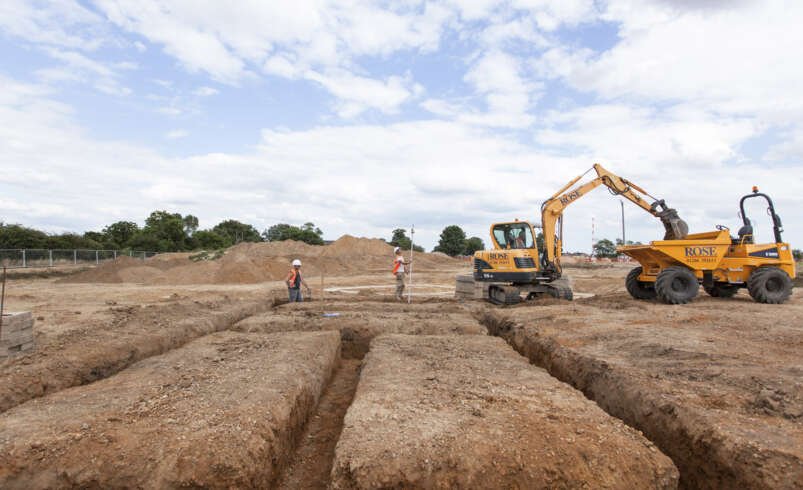

Northampton is a growing area with a wide range of residential, commercial, industrial and infrastructure development projects. From new-build properties and extensions to commercial premises, roads, drainage systems and large-scale construction schemes, every successful project depends on a stable and carefully prepared foundation. This is where professional ground preparation and civil engineering expertise become essential.
Quality groundworks are much more than simply excavating soil. They involve detailed site preparation, excavation, drainage, foundation work, earthmoving, concrete preparation, utility installation and ground stabilisation. When these activities are planned and completed correctly, they create a secure base for the construction work that follows.
Choosing experienced professionals for groundworks and civil engineering services in Northampton can help property owners, developers, contractors and businesses manage complex site requirements more effectively. Professional teams understand how different ground conditions, drainage requirements, access restrictions and construction specifications can affect a project.
Understanding Professional Groundworks
Groundworks form the foundation of almost every construction project. Before walls, floors, roads or structures can be constructed, the ground needs to be assessed and prepared according to the requirements of the development.
Site Clearance and Preparation
The first stage of many projects involves clearing the site of unwanted materials, vegetation, rubble, old structures or unsuitable ground. Site clearance must be approached carefully because underground services, unstable areas and existing structures may need to be considered.
Once the site has been cleared, the ground can be levelled, compacted and prepared for the next stage. Proper preparation reduces potential complications and helps ensure that foundations and other structural elements are installed on suitable ground.
Excavation and Earthworks
Excavation is an important part of construction because foundations, drainage systems, service trenches and other underground structures often require carefully measured digging.
Professional excavation involves selecting suitable machinery, determining the correct depth and managing excavated material responsibly. The approach may vary depending on whether the project involves a house, commercial building, road, extension or larger development.
Effective earthworks can also involve cutting, filling, grading and soil movement to achieve the required site levels.
Foundation Preparation and Installation
A building is only as reliable as the ground supporting it. Foundations transfer structural loads into the ground, so correct preparation is essential for long-term stability.
Preparing the Ground for Foundations
Before foundation construction begins, the site may require excavation to the specified depth, removal of unsuitable material and preparation of a stable base. Ground conditions can vary significantly between locations, making proper assessment important.
Depending on the project, foundation preparation may involve compacted sub-bases, concrete blinding, reinforced concrete or other construction methods specified by the project engineer.
Supporting Long-Term Structural Stability
Poor ground preparation can contribute to settlement, cracking, drainage problems and other structural issues. Therefore, groundwork should not be treated as a minor stage of construction.
Experienced contractors work according to project drawings, specifications and relevant construction requirements. They also coordinate with other trades to ensure that underground work is completed before later construction stages begin.
Drainage and Water Management
Effective drainage is one of the most important aspects of modern construction. Poorly managed surface or groundwater can cause flooding, dampness, erosion and damage to buildings or surrounding areas.
Professional groundworks and civil engineering services in Northampton can include the installation and improvement of drainage systems designed around the requirements of the site.
Surface Water Drainage
Surface water needs to be directed away from buildings, paved areas and other vulnerable locations. Depending on the site, solutions can include drainage channels, gullies, soakaways, attenuation systems and suitable underground pipework.
Correct gradients are particularly important because water needs an effective route to its intended drainage point.
Foul Water Drainage
Foul drainage systems transport wastewater away from buildings and connect properties to appropriate drainage infrastructure. Installation requires careful attention to pipe gradients, connections, inspection points and access for future maintenance.
Professional installation helps reduce the risk of blockages, leaks and other drainage complications.
Drainage Repairs and Improvements
Existing drainage systems can deteriorate because of age, ground movement, tree roots or damage. Groundworks contractors may investigate damaged sections and carry out excavation, replacement or improvements where required.
Civil Engineering for Construction Projects
Civil engineering covers a broad range of work associated with infrastructure, structural development and the effective use of land. It can include roads, drainage, foundations, retaining structures, utilities and site infrastructure.
Roads and Accessways
Construction sites often require reliable access roads, driveways, hardstanding areas or other paved surfaces. These areas need suitable sub-base preparation before the final surface is installed.
Proper compaction and drainage are essential because vehicle traffic and weather conditions can place significant stress on poorly prepared surfaces.
Car Parks and Hardstanding
Commercial developments, industrial premises and residential schemes may require durable parking or hardstanding areas. Ground preparation typically involves excavation, grading, installation of suitable sub-base material and compaction.
The final construction method depends on factors such as expected vehicle loads, drainage requirements and the intended surface finish.
Utility and Service Trenches
New developments often require underground routes for water, electricity, telecommunications, drainage and other utilities. Carefully planned trenching allows services to be installed while reducing disruption to the wider site.
Utility work must also account for existing underground infrastructure. Before excavation begins, contractors should follow appropriate procedures for identifying and working around existing services.
Why Ground Conditions Matter in Northampton
Ground conditions can have a major influence on construction methods. Soil composition, moisture levels, existing structures, previous land use and drainage characteristics can all affect how a site should be prepared.
Soil Assessment
Different soils respond differently to excavation, loading and moisture. Some may require additional preparation, while others may need stabilisation or removal if they are unsuitable for the proposed construction.
Understanding the ground before construction begins allows project teams to make better decisions about excavation, foundations and drainage.
Managing Uneven or Unstable Ground
Uneven levels can create challenges for building and infrastructure projects. Earthmoving and grading can help establish the required levels, while suitable compaction provides a more stable base.
Where necessary, engineers may recommend additional measures to address specific ground conditions.
Ground Stabilisation and Compaction
Ground stabilisation improves the ability of soil or other materials to support construction loads. Compaction is particularly important for foundations, roads, driveways, car parks and hardstanding areas.
Importance of Proper Compaction
Insufficiently compacted ground can settle after construction. This may lead to uneven surfaces, cracks and other problems.
Professional contractors use appropriate equipment and methods according to the material and project requirements. The aim is to create consistent and dependable ground capable of supporting the planned construction.
Sub-Base Installation
A suitable sub-base provides strength and stability beneath many external surfaces. It can also assist with drainage and load distribution.
The depth and material selection should reflect the intended use of the area. A pedestrian pathway, residential driveway and heavily trafficked commercial yard may all require different specifications.
Retaining Structures and Ground Support
Some developments involve changes in ground level that require additional support. Retaining structures can help hold back soil and create usable areas on sloped or uneven sites.
Managing Changes in Ground Levels
Cut-and-fill operations can alter existing levels to suit a development. However, significant changes may require carefully engineered solutions to prevent soil movement or instability.
Retaining walls, reinforced systems and suitable drainage may be considered depending on the site and engineering requirements.
Drainage Behind Retaining Structures
Water pressure can place additional stress on retaining structures. For this reason, drainage should be considered as part of the overall design rather than treated as an afterthought.
Suitable drainage measures can help manage water accumulation and protect the integrity of the structure.
Commercial and Residential Applications
Groundworks are required across many different types of construction. Residential projects may involve extensions, new homes, driveways, drainage and garden structures, while commercial projects can involve larger foundations, access roads, car parks and service infrastructure.
Residential Construction
Homeowners may require excavation and foundation work for extensions, garages, new builds, patios, driveways or drainage improvements. Even relatively small projects benefit from careful planning and appropriate ground preparation.
Commercial Developments
Commercial sites often have more demanding requirements because they may involve larger structures, heavier vehicles, extensive drainage networks and multiple underground services.
Reliable groundwork helps establish a suitable platform for the construction and infrastructure elements of the development.
Planning a Groundworks Project
Successful groundwork starts with good planning. Before work begins, the project requirements should be clearly understood and the site assessed.
Initial Site Assessment
An initial assessment can identify access restrictions, existing structures, ground levels, drainage concerns and potential underground services. This information helps contractors determine suitable equipment and working methods.
Project Coordination
Groundworks frequently take place before other construction trades arrive. Clear communication between the groundwork contractor, builders, engineers, architects and project managers helps prevent delays.
Accurate scheduling is especially important where excavation, drainage, foundations and utility installation need to be completed in a particular sequence.
Health and Site Safety
Construction sites involve excavation machinery, open trenches, heavy materials and moving vehicles. Safe working practices are therefore essential.
Work areas should be properly managed, access should be controlled where necessary and excavation activities should be carried out using suitable safety procedures. Professional planning helps reduce unnecessary risks to workers, visitors and nearby properties.
Choosing the Right Groundworks Contractor
Selecting the right contractor can make a significant difference to the quality and efficiency of a construction project. Experience, project knowledge, equipment and attention to detail should all be considered.
Experience and Technical Knowledge
A capable contractor should understand excavation, drainage, foundations, earthworks, compaction and related construction activities. Experience across different project types can also help contractors respond to unexpected site conditions.
Quality Workmanship
Groundwork is often hidden once construction is completed, but its importance remains significant. Poorly executed underground work can be difficult and expensive to correct later.
For this reason, contractors should focus on accurate levels, appropriate materials, proper compaction and careful installation throughout the project.
Reliable Project Management
Good project management helps keep groundwork organised from site preparation through to completion. This includes coordinating equipment, materials, labour, excavation, waste removal and other activities.
AAS Group Construction Ltd provides a professional approach to construction-related groundwork requirements, with an emphasis on practical project planning and quality workmanship.
Environmental Considerations in Groundworks
Modern construction projects increasingly need to consider environmental impact. Responsible groundwork can help reduce unnecessary waste, control soil movement and make better use of available materials.
Responsible Soil Management
Excavated soil should be assessed and managed appropriately. Where suitable, some materials may be reused on the site for grading or filling rather than being unnecessarily transported away.
Reducing Construction Waste
Careful planning can reduce material waste and unnecessary deliveries. Reusing suitable materials and accurately estimating requirements can make projects more efficient while reducing environmental impact.
Benefits of Professional Groundwork Services
Using experienced professionals can provide several practical advantages. Properly planned groundworks can improve construction efficiency, reduce avoidable delays and create a more dependable base for later stages.
Professional groundworks and civil engineering services in Northampton can support projects by combining excavation, drainage, foundations, earthworks, access solutions and other infrastructure requirements within a coordinated approach.
The benefits can include better site preparation, improved drainage performance, stronger foundations, more reliable access areas and reduced risk of problems caused by inadequate ground preparation.
Building a Strong Foundation for Future Projects
Groundworks may not always be the most visible part of a construction project, but they influence almost every stage that follows. A properly prepared site provides the platform required for foundations, buildings, roads, drainage and other infrastructure.
Whether the project is residential, commercial or industrial, groundwork should be planned according to the specific characteristics and requirements of the site. Professional expertise, suitable equipment, careful preparation and effective project coordination can all contribute to a successful outcome.
Conclusion
High-quality groundwork is fundamental to safe, durable and efficient construction. From excavation and earthworks to foundations, drainage, access roads and utility trenches, each stage needs careful planning and competent execution. By choosing AAS Group Construction Ltd , property owners, developers and businesses can approach their projects with a focus on dependable workmanship, practical planning and long-term results. For anyone planning a construction or development project, investing in professional groundworks and civil engineering services in Northampton can provide the stable foundation needed for successful construction from the ground up.